












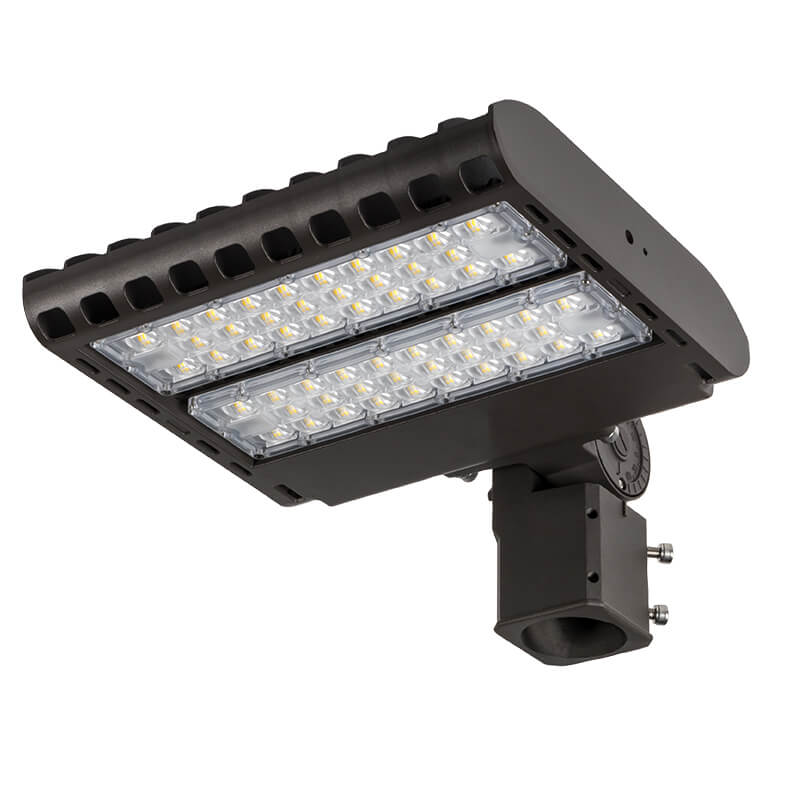
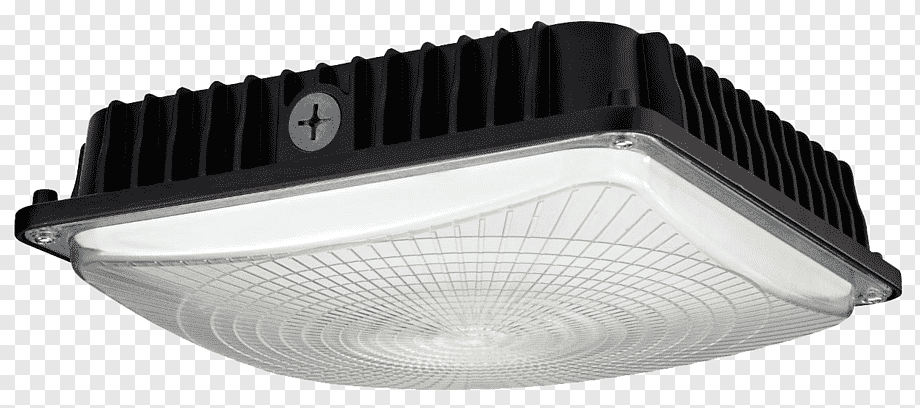
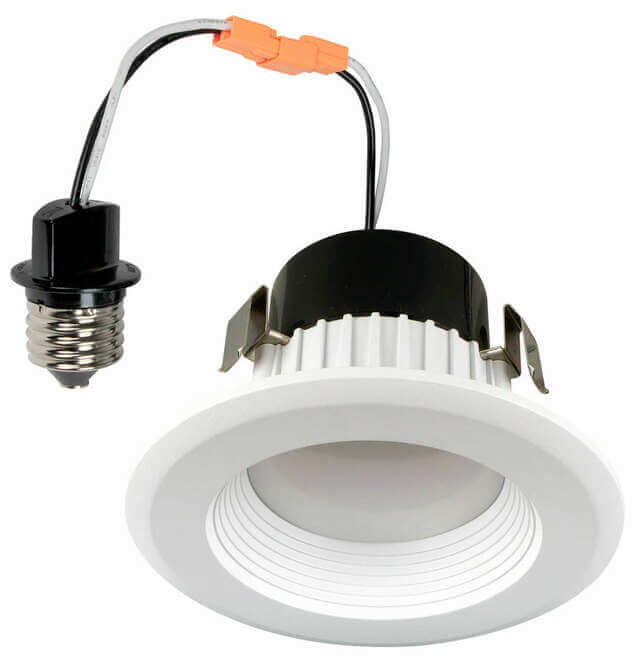
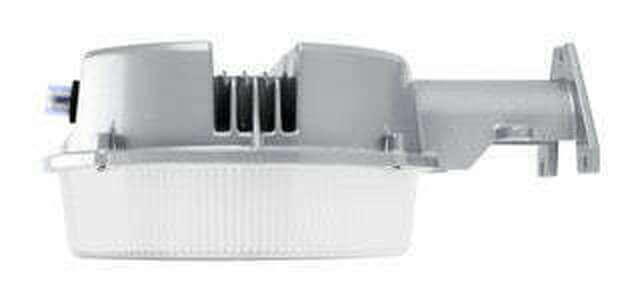

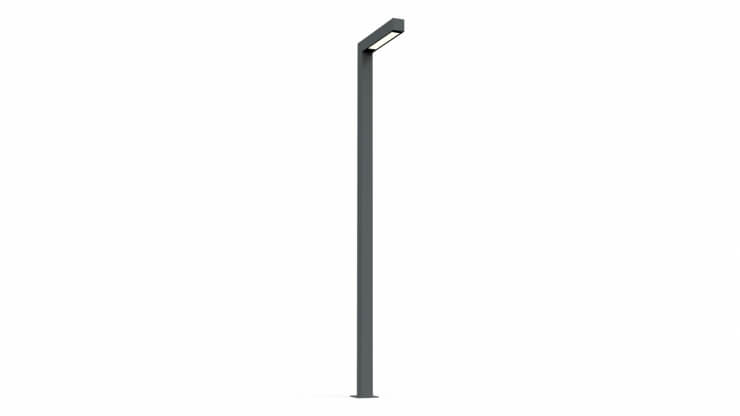
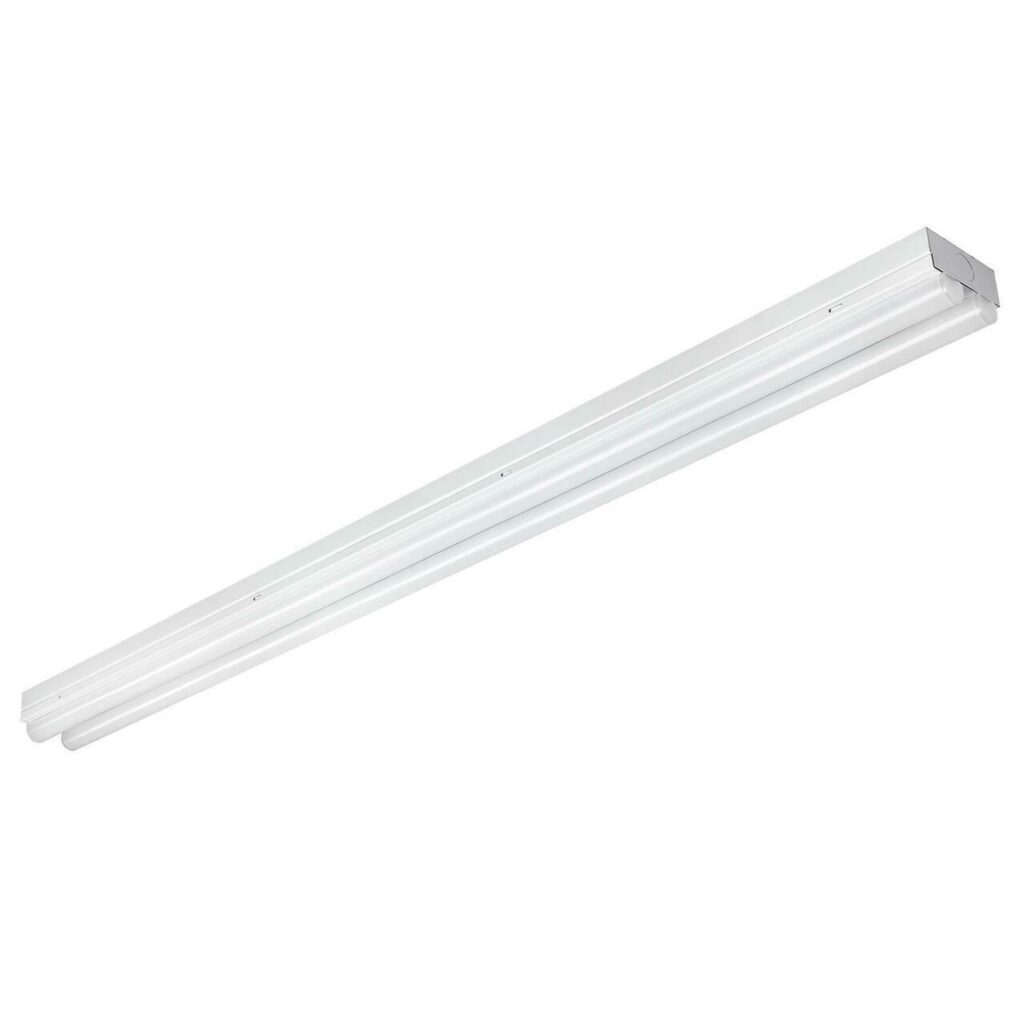
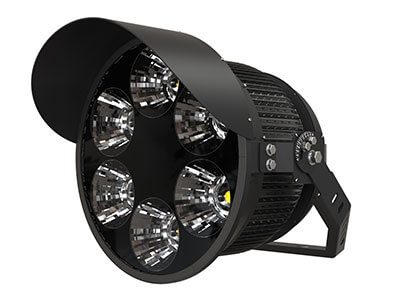
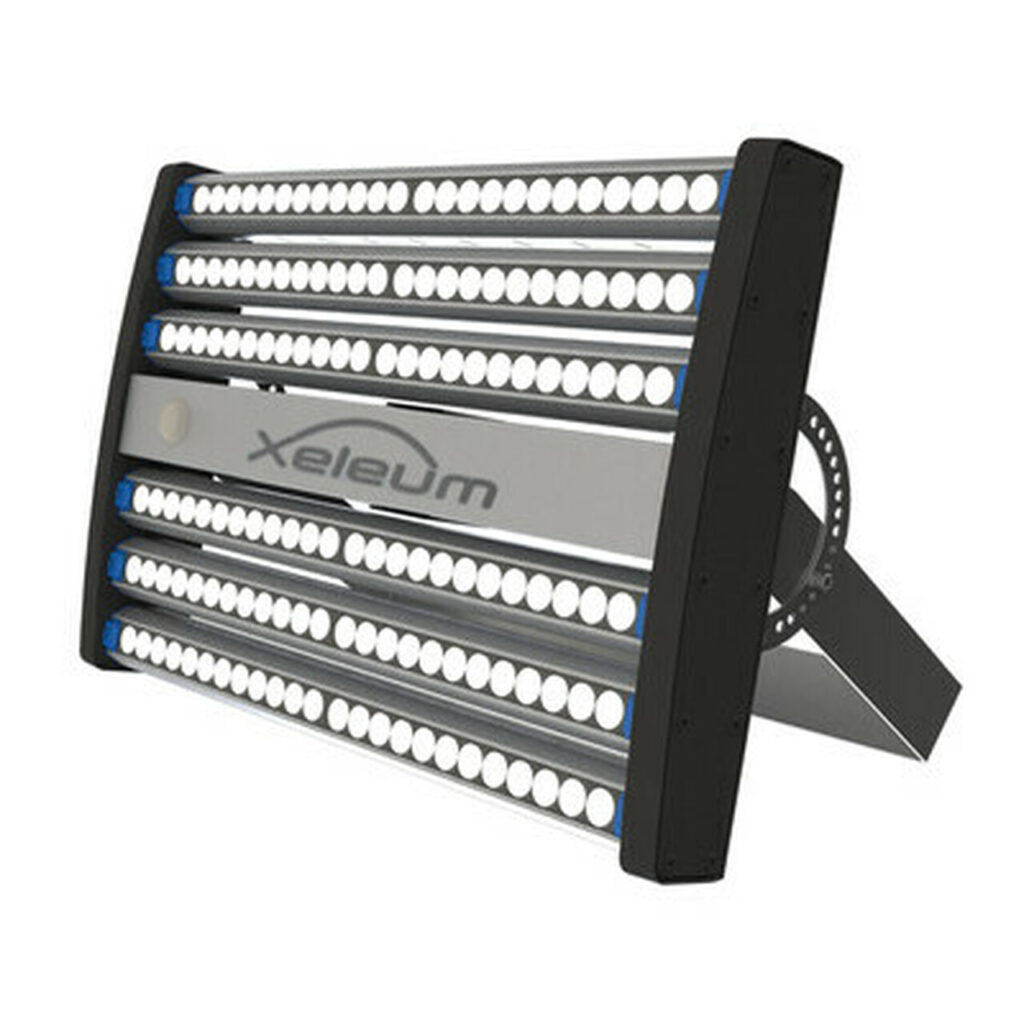
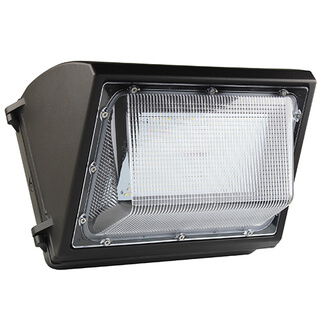
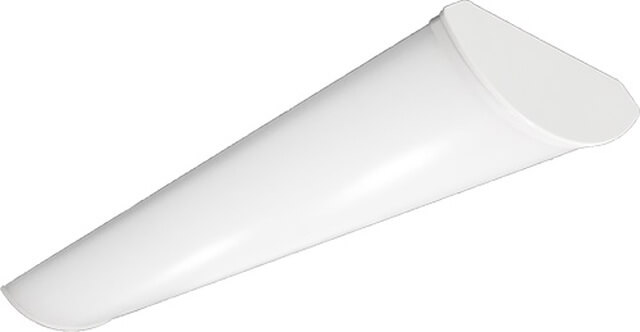
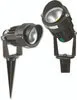
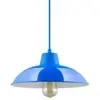
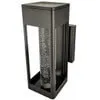
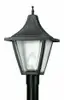
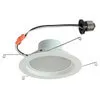
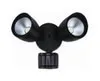
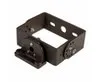


Low-quality mounting arms can flex, loosen, and gradually sag when outdoor fixtures face repeated wind pressure. Using stronger mounting hardware with slim or bullet-style LED flood lights reduces the surface area exposed to wind while helping security lighting and cameras stay aimed at their intended targets.
How much damage can high winds actually cause? In 2024, the United States experienced 27 billion-dollar weather and climate disasters, including 17 severe storm events, according to the National Centers for Environmental Information. Choosing rigid mounting brackets and compact fixtures helps reduce unwanted movement, protecting illumination coverage and reducing the need for repeated realignment.
Why Do Outdoor Fixtures Sag and Shift in High Winds?
Outdoor fixtures face pressure whenever strong winds push against their housings. Over time, several forces can threaten exterior fixture alignment:
- Wind pressure on housings
- Leverage against mounting points
- Vibration from repeated gusts
Wind Pressure on Housings
A large fixture gives the wind more surface area to push against. Strong gusts can force the housing backward or sideways.
Even slight movement can change where the beam lands. Bulky fixtures often place greater stress on their mounting hardware during severe weather.
Leverage Against Mounting Points
Wind pressure becomes more troublesome when a fixture extends far from its mounting point. The extra distance creates leverage against the arm and connection.
A weak arm may bend slightly under that force. Adjustment joints can also slip and leave the fixture pointing downward.
Vibration From Repeated Gusts
Damage doesn’t always require one powerful wind event. Repeated gusts can make a fixture vibrate for hours. Small movements may gradually loosen fasteners or adjustment hardware.
Eventually, the fixture can shift enough to affect lighting coverage. Elevated fixtures are especially exposed when nearby structures don’t block the wind.
How Mounting Arms Become the Weak Link
A mounting arm must do more than hold a fixture’s weight. Outdoor conditions place added force on its materials and connection points. Weak designs often fail in several predictable ways:
- Thin mounting materials
- Excessive arm length
- Weak adjustment points
Thin Mounting Materials
Thin metal may hold a fixture securely during calm weather. Strong winds place much greater force on the same material.
Repeated pressure can cause small bends that change the fixture’s angle. Rigid mounting brackets reduce this flex by keeping the fixture firmly positioned.
Excessive Arm Length
Longer arms place the fixture farther from its mounting point. That distance increases the leverage created when wind pushes against the housing.
Even a sturdy fixture can shift if its arm flexes under repeated pressure. Shorter mounting designs can reduce this leverage in exposed locations.
Weak Adjustment Points
Adjustable joints make it easier to aim a fixture during installation. However, weak joints can slip after repeated movement or vibration. Loose adjustment hardware may slowly change the beam angle without obvious damage.
Crews then need to realign fixtures from ladders or lifts. Better hardware keeps the chosen position secure and reduces unnecessary maintenance.
Why Do Slim and Bullet LED Flood Lights Handle Wind Better?
Slim LED flood lights expose less housing surface to incoming gusts than many bulky designs. Less exposed area can reduce the force transferred to the mounting arm.
Bullet fixtures also keep much of their housing compact. Their narrow shape makes them useful in exposed outdoor locations.
Lower Mounting Stress
A compact fixture can place less leverage on its mounting hardware during windy conditions. Weight also stays closer to the attachment point with many low-profile designs.
That positioning reduces strain on joints used to set the lighting angle. Strong hardware remains important for keeping the fixture secure.
More Precise Beam Control
Bullet fixtures work well when light must reach a specific area. Installers can aim individual fixtures toward a camera’s field of view or another defined target.
A smaller housing can maintain that direction more reliably when paired with sturdy mounting hardware. Proper positioning keeps useful light concentrated where security coverage needs it most.
Building a Mounting System That Stays Locked on Target
The mount must handle more than the fixture’s listed weight. A broad housing catches more wind and transfers greater force into its attachment point.
Compact fixtures reduce this pressure. The mounting hardware still needs enough strength to resist movement during repeated gusts.
Mounting Location
Exposure changes greatly from one installation point to another. A fixture high on an open pole may receive stronger winds than a protected wall fixture.
Installers should consider local conditions before selecting the mount. The pole or wall must also withstand the forces transferred through the hardware.
Frequently Asked Questions
Can Wind Damage a Light Fixture Even if the Bracket Does Not Break?
Yes. Constant vibration can stress electrical connections and wear seals without causing visible bracket failure. Over time, small gaps may let moisture reach sensitive components.
Internal wiring can also loosen from repeated movement. Periodic inspection can uncover these problems before the fixture stops working.
Does Mounting Height Affect Wind Exposure?
Mounting height can change how much wind reaches a fixture. Rooftops and tall poles often have fewer nearby objects blocking strong gusts.
Lower fixtures may receive some protection from buildings or landscaping. Installers should consider actual exposure instead of relying only on mounting height.
Should Outdoor Security Fixtures Be Inspected After Severe Weather?
A quick inspection after severe storms can reveal damage that isn’t obvious from ground level. Check the fixture angle first. Look for loose fasteners and bent mounting parts.
Water inside the housing may indicate a damaged seal. Electrical damage or significant movement should be evaluated by a qualified professional.
Commercial Security Illumination Help
Pairing durable brackets with well-designed LED flood lights keeps security beams aimed correctly, improves nighttime camera coverage, and reduces repeated adjustments after severe weather events.
At Lighting and Supplies, we pair decades of industry experience with access to more than 200,000 SKUs from over 400 commercial lighting manufacturers. Unlike suppliers focused only on selling fixtures, we provide white-glove assistance from ordering through installation. Our team also handles lighting designs, project management, warranties, and supply chain needs.
Get in touch today to find out how we can help with your LED flood light needs.