















Calculating the right lumen output for a low-ceiling office starts with multiplying the room’s square footage by the target foot-candle level. That baseline should then be adjusted for light loss, fixture efficiency, and distribution before selecting LED troffer lights. These steps help prevent glare and excessive brightness while maintaining enough light for everyday office tasks.
Could your office lighting be using more electricity than necessary? A recent DNV study identified more than 3.7 million MWh in potential energy savings from next-generation commercial lighting opportunities across North America. Careful calculations can reduce wasted light while maintaining comfortable illumination throughout low-ceiling offices.
A careful lumen output calculation makes it easier to compare fixture options based on usable light rather than simply choosing the brightest available model.
How Many Lumens Does a Low-Ceiling Office Actually Need?
First, calculate the office area by multiplying its length by its width. A 20-by-25-foot office has 500 square feet of floor space. Use this figure as the starting point for estimating total lumens.
Target Foot-Candles
A foot-candle measures how much light reaches one square foot of surface. Computer work may need less illumination than detailed drawing or close document inspection.
Use this basic formula to establish the initial target and ensure you meet foot-candle requirements for your office:
Required lumens = room area × target foot-candles
Work Being Performed
Measure lighting needs at the work plane rather than at floor level. For most offices, the work plane is approximately desk height.
Low ceilings place fixtures closer to this surface and to employees’ eyes. Excess output can therefore feel harsh and produce uncomfortable glare.
Different tasks also change the appropriate target. Choose an illumination level based on the most common work performed in that area.
Turning the Basic Lumen Calculation Into a Realistic Fixture Target
The first calculation estimates how much light the office needs under ideal conditions. The coefficient of utilization estimates how much fixture light reaches the intended work surface.
Manufacturers often provide this value in photometric data for their fixtures. Room shape and surface reflectance can affect the result.
Dark walls absorb more light than pale surfaces. Fixture optics also influence how efficiently light reaches desks.
Light Loss Factor
LED fixtures don’t maintain their original output forever. Dust can reduce brightness further as fixtures remain in service. A light loss factor accounts for these expected changes over time.
A more practical formula is:
Required initial fixture lumens = (area × target foot-candles) ÷ (coefficient of utilization × light loss factor)
Consider a 500-square-foot office targeting 40 foot-candles. Assume a 0.80 coefficient of utilization and a 0.90 light loss factor. The room would need about 27,778 initial fixture lumens.
Manufacturer photometric files can then confirm how a specific fixture distributes its rated output. Using those figures creates a more realistic target than relying on nominal lumens alone.
How Should LED Troffer Lights Be Selected for a Low Ceiling?
Once you know the required lumens, you can estimate how many fixtures the office needs. Fixture output should balance brightness with comfortable and even coverage across the room.
Start by dividing the required initial lumens by each fixture’s rated lumen output. For example, a room needing 28,000 lumens could use seven fixtures rated at 4,000 lumens each. Avoid choosing fewer high-output fixtures simply to reduce the fixture count.
Consider spacing criteria for commercial lights. Low ceilings place the light source closer to employees and their computer screens. Excessive output can create bright spots directly beneath each fixture.
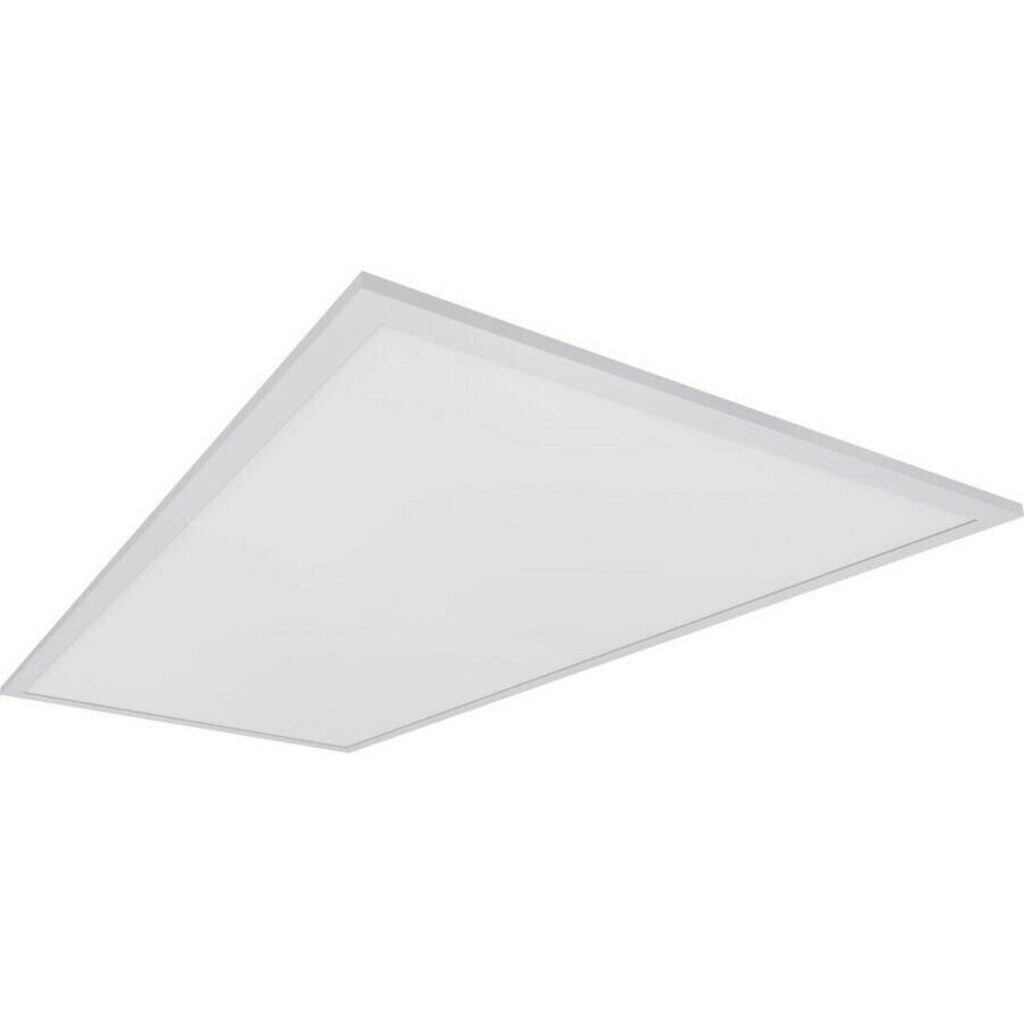
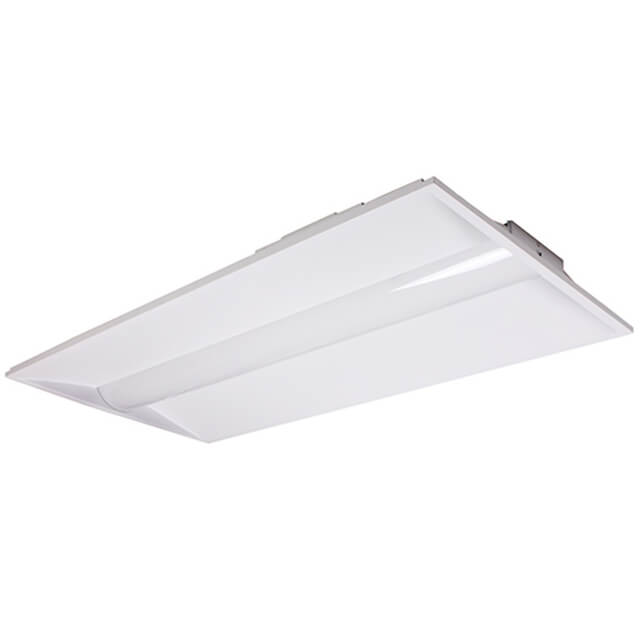
It may increase glare and make screen viewing uncomfortable. Recessed LED troffer lights can spread illumination across a broad area without reducing overhead clearance.
Look closely at the diffuser and light distribution rather than focusing only on total lumens. Manufacturer photometric files show how the fixture directs light throughout the room.
Wattage also deserves attention when comparing fixtures with similar output. A lower-wattage model can produce the same brightness with less electricity.
Check efficacy in lumens per watt to make a fair comparison. Color temperature and color rendering should match the office tasks and desired appearance.
Controls, Efficiency, and Final Design Checks
A calculated lighting plan still needs to work under changing office conditions. Daylight and occupancy can change how much artificial light is actually necessary.
A thoughtful dimmable troffer selection lets users reduce brightness when full output isn’t needed. Dimming can also improve comfort when daylight already illuminates work areas. Occupancy sensors can switch lights off after employees leave a space.
Fixture wattage deserves a final review as well. Compare the total installed wattage against the amount of useful light produced. Higher efficacy means a fixture produces more lumens for each watt of electricity.
Local rules may limit lighting power and require certain automatic controls. Check energy code compliance before finalizing the fixture specifications. Requirements can vary based on the building type and location.
Emergency lighting requirements may also affect the final layout. Some fixtures may need backup power or separate controls during an outage.
Frequently Asked Questions
Does Ceiling Color Affect How Much Office Lighting Is Needed?
Yes. Light-colored ceilings reflect more fixture output back into the room instead of absorbing it. Dark surfaces absorb more light and can reduce the amount reaching desks.
Reflectance also affects the coefficient of utilization used during lighting calculations. Always account for the actual room finishes when estimating usable illumination.
Should Computer Offices Use Lower Light Levels Than Paper-Based Workspaces?
Computer screens produce their own light, so excessive overhead illumination can make viewing less comfortable. Bright fixtures may also create reflections on glossy displays.
Paper-based tasks depend more heavily on light falling directly onto the work surface. Adjustable task lighting can serve employees who regularly switch between screens and printed documents.
How Does LED Color Temperature Affect a Low-Ceiling Office?
Color temperature affects whether office lighting appears warmer or cooler without changing required lumens. Neutral white light often suits general office work, while consistent color temperature prevents distracting differences between nearby fixtures.
Easy Dimmable Troffer Selection
Properly selected LED troffer lights can deliver comfortable illumination without excessive brightness.
At Lighting and Supplies, we help commercial and industrial customers reduce energy costs with reliable LED lighting solutions. Based in Baltimore, we offer more than 200,000 SKUs from over 400 commercial lighting manufacturers. Our white-glove approach sets us apart, with one-on-one guidance, lighting designs, and more.
Get in touch today to find out how we can help with your lighting needs!