










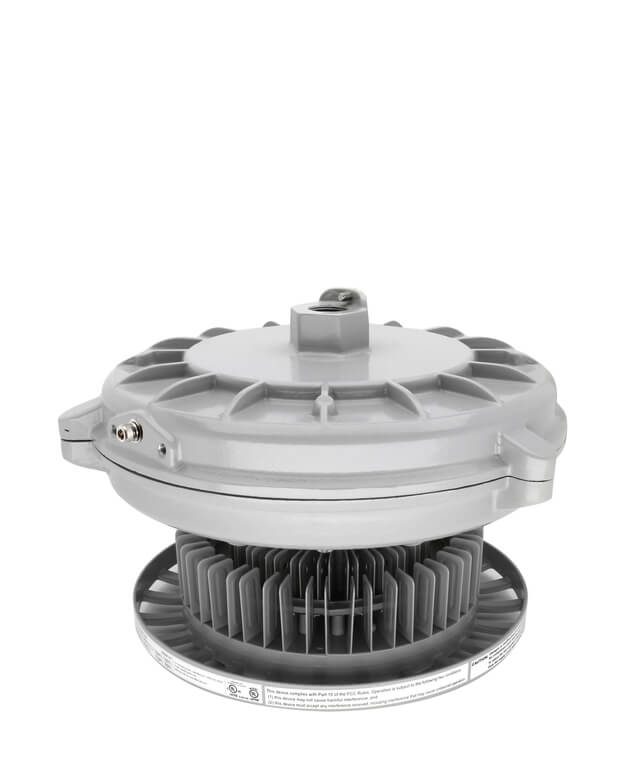
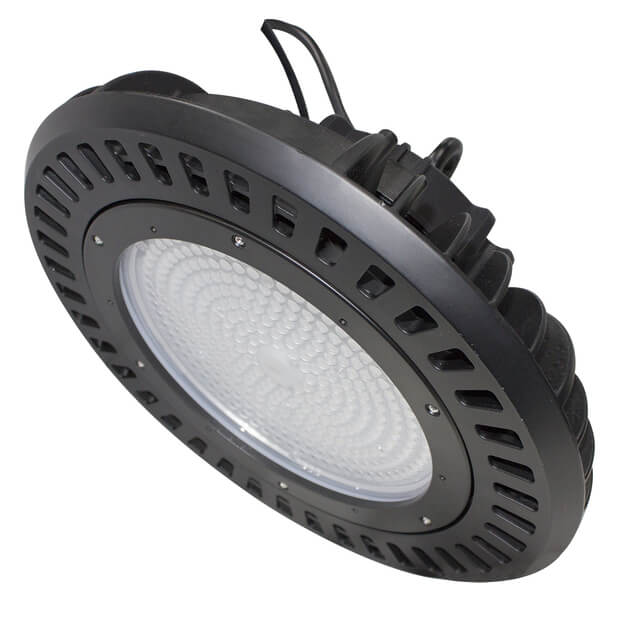
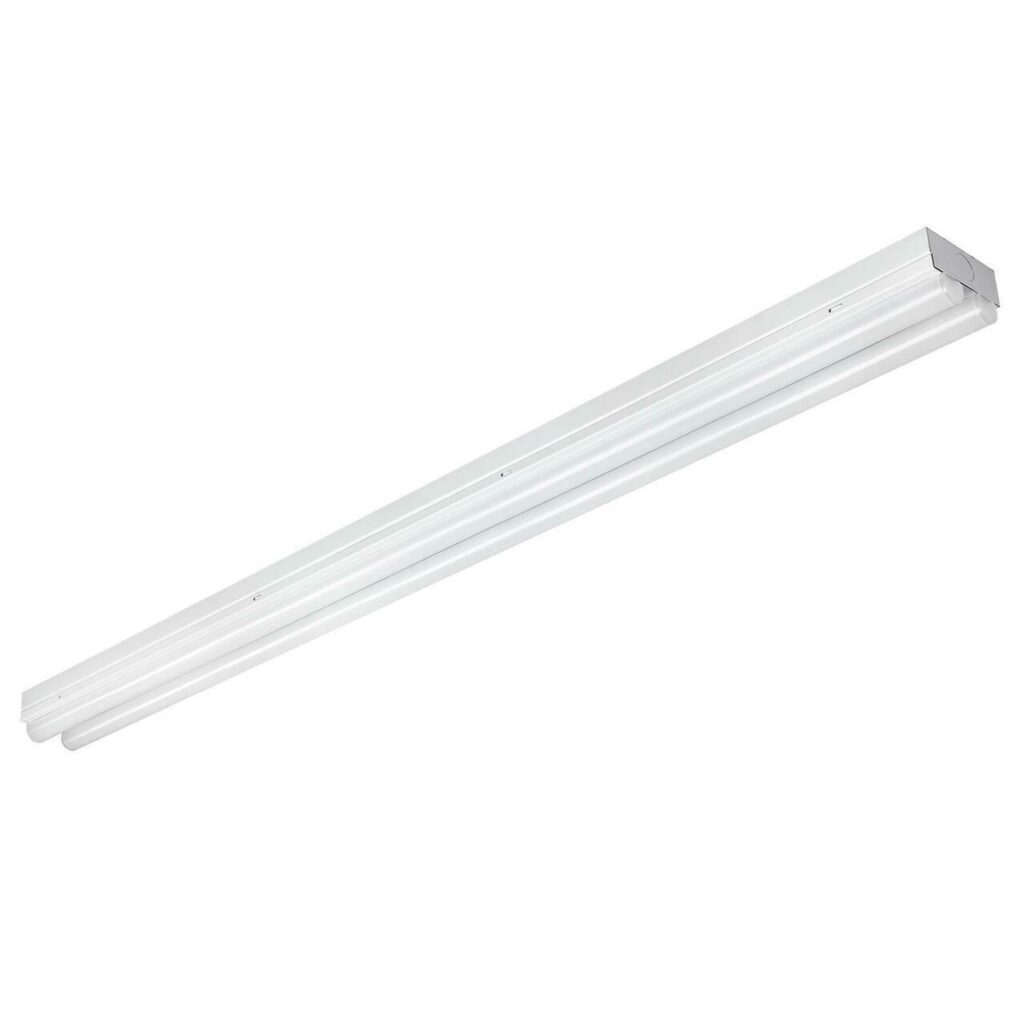
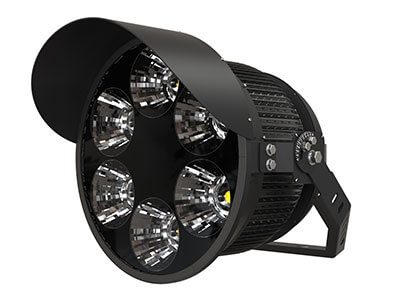
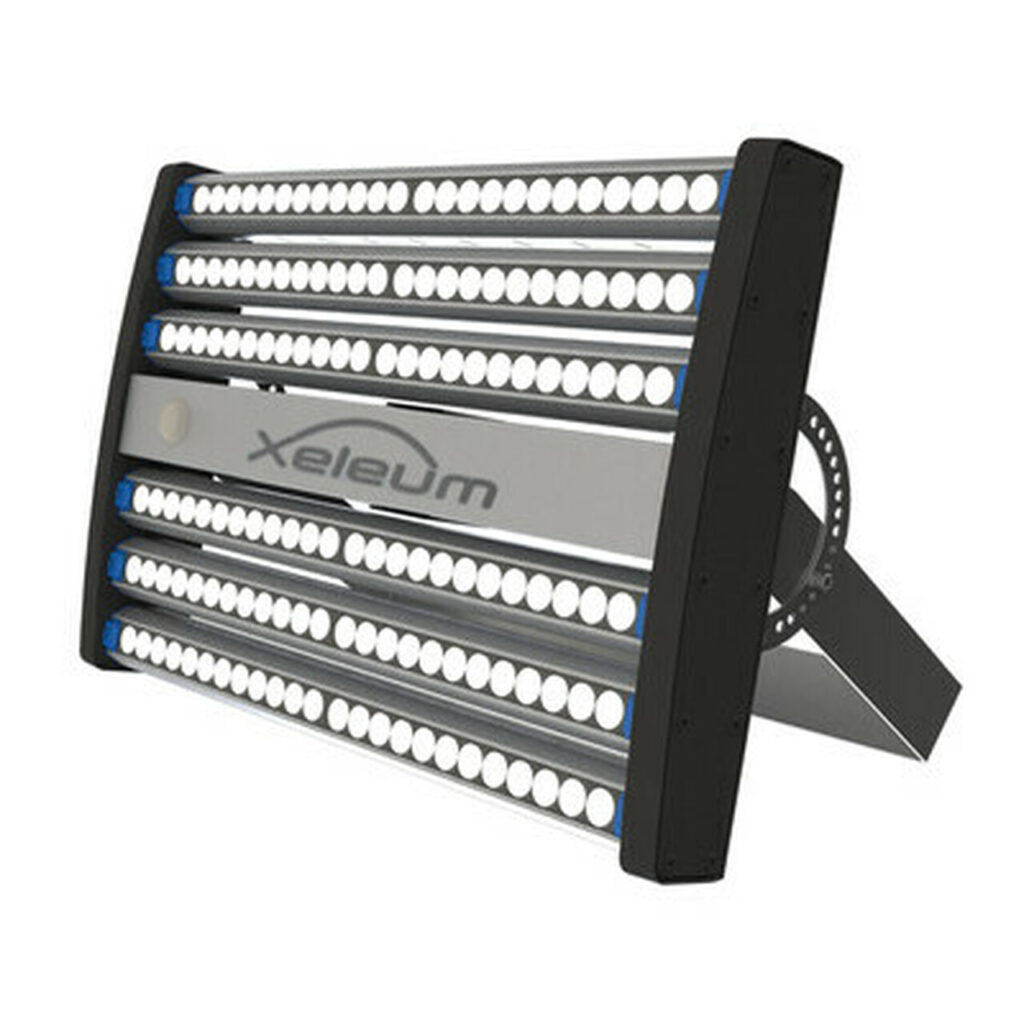
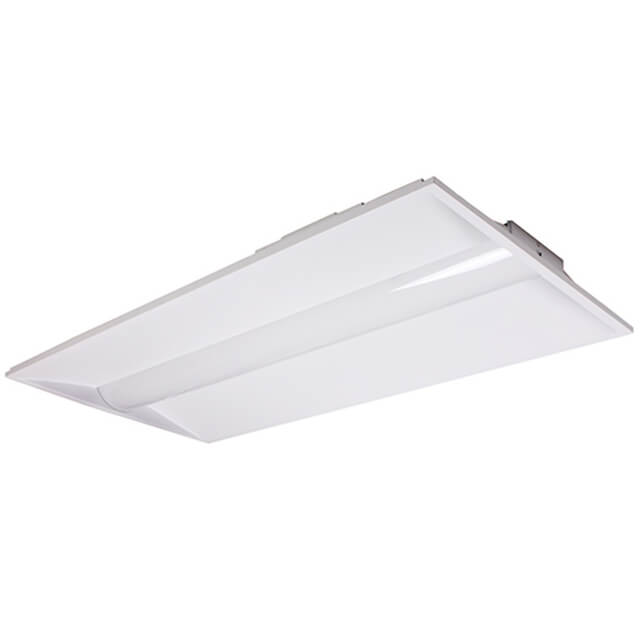
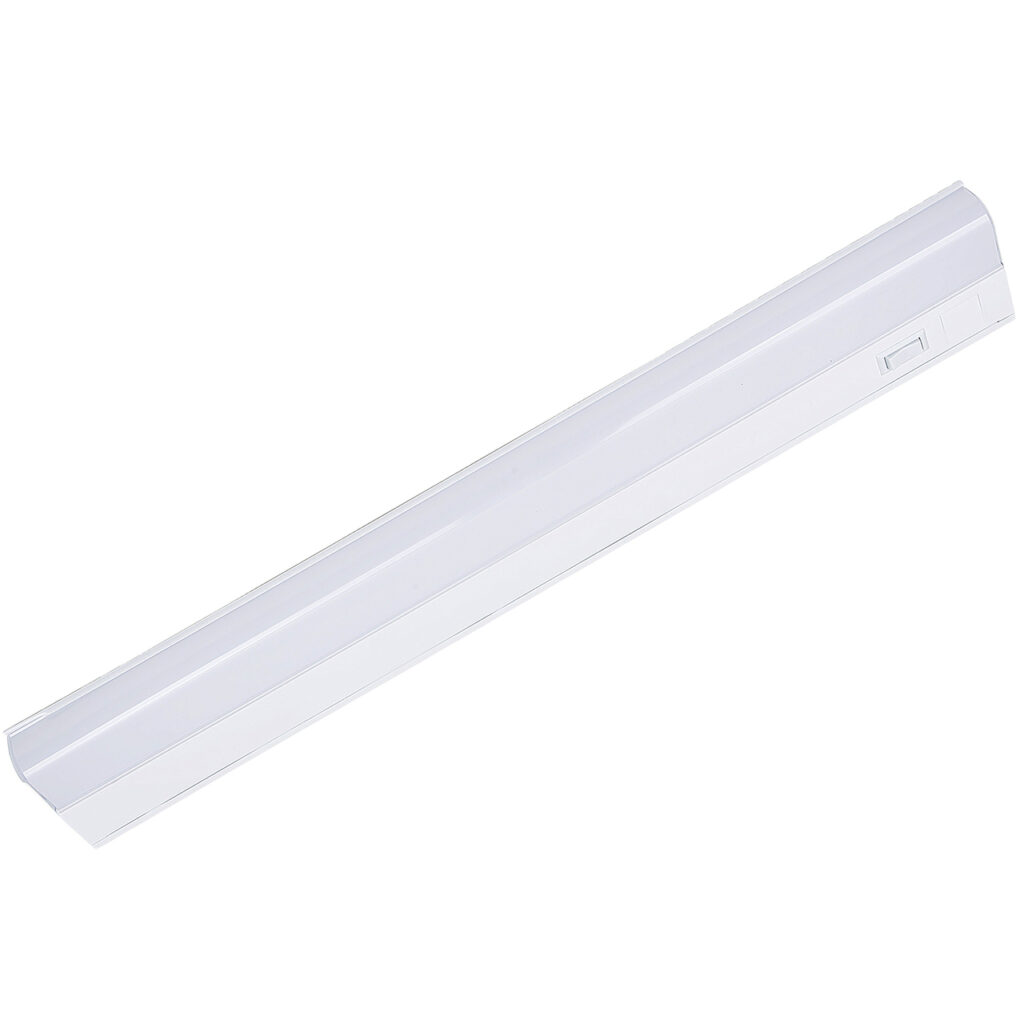
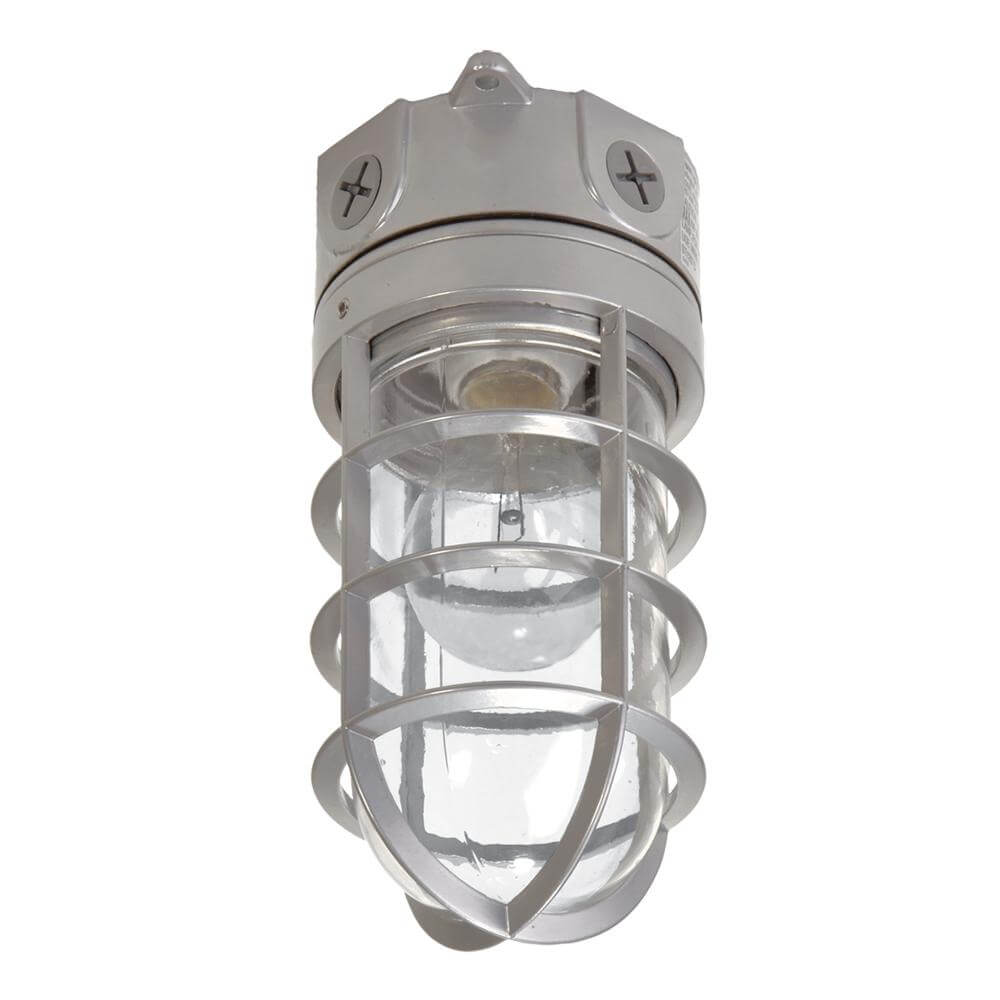
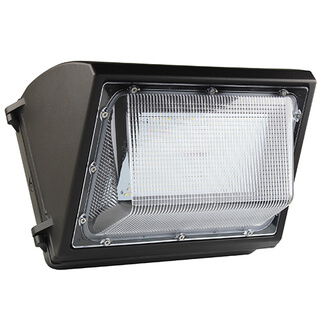




Selecting the right beam angle depends on how your fulfillment center is built. Narrow-beam fixtures typically deliver stronger illumination deep into tall storage aisles, making them well-suited for high racks and automated retrieval systems.
Wide-distribution fixtures spread light across broader areas, which can improve uniformity in open spaces but may provide less vertical illumination inside densely packed rack systems. Choosing the right LED high bay lighting configuration means balancing rack height, aisle width, equipment needs, and lighting performance.
Have you noticed that some automated fulfillment centers experience slower scans or uneven visibility despite using bright fixtures? The issue often comes down to beam distribution rather than light output alone. Matching the beam angle to your warehouse layout creates more consistent illumination across storage racks.
Why Beam Distribution Matters in Automated Warehouses
Beam distribution shapes far more than overall brightness inside an automated warehouse. It determines how light reaches every level of tall storage racks and influences how well automated equipment performs throughout the building. Several lighting factors work together to create dependable visibility and efficient operation:
- Light distribution versus total light output
- Rack height and aisle width
- Automated sensors and barcode scanning
- Fixture placement and vertical illumination
Light Distribution Versus Total Light Output
A fixture with higher lumen output doesn’t always produce better lighting. Beam angle controls where those lumens land.
A narrow pattern sends more light into a smaller area. A wider pattern spreads the same light across a larger space.
Proper aisle lighting photometric distribution focuses on placing light where work actually happens instead of simply increasing brightness.
Rack Height and Aisle Width Considerations
Warehouse dimensions play a major role in lighting design. Tall racks can block light before it reaches lower shelves. Narrow aisles create another challenge by limiting how light spreads across storage faces.
Warehouse ceiling photometry helps designers predict these conditions before fixtures are installed. That reduces dark areas and improves consistency from top to bottom.
How Lighting Affects Automated Sensors and Barcode Scanning
Automated systems rely on clear visual information. Barcode readers and machine vision cameras perform best under steady lighting with limited glare.
Strong shadows can reduce reading accuracy. Uneven lighting may force equipment to repeat scans, slowing picking cycles and reducing efficiency.
The Relationship Between Fixture Placement and Vertical Illumination
Fixture spacing affects more than floor brightness. It also determines how much light reaches products stored at different elevations.
Measuring vertical rack vertical footcandles confirms that rack faces receive enough illumination for automated equipment to identify locations accurately. Careful placement creates more consistent distribution center lux optimization throughout the storage system.
LED High Bay Lighting: Narrow-Beam vs. Wide-Distribution Performance
Selecting the right beam pattern depends on how a fulfillment center is arranged and how work moves through the space. Every lighting choice affects visibility, fixture spacing, and energy use in different ways:
- How narrow-beam optics work
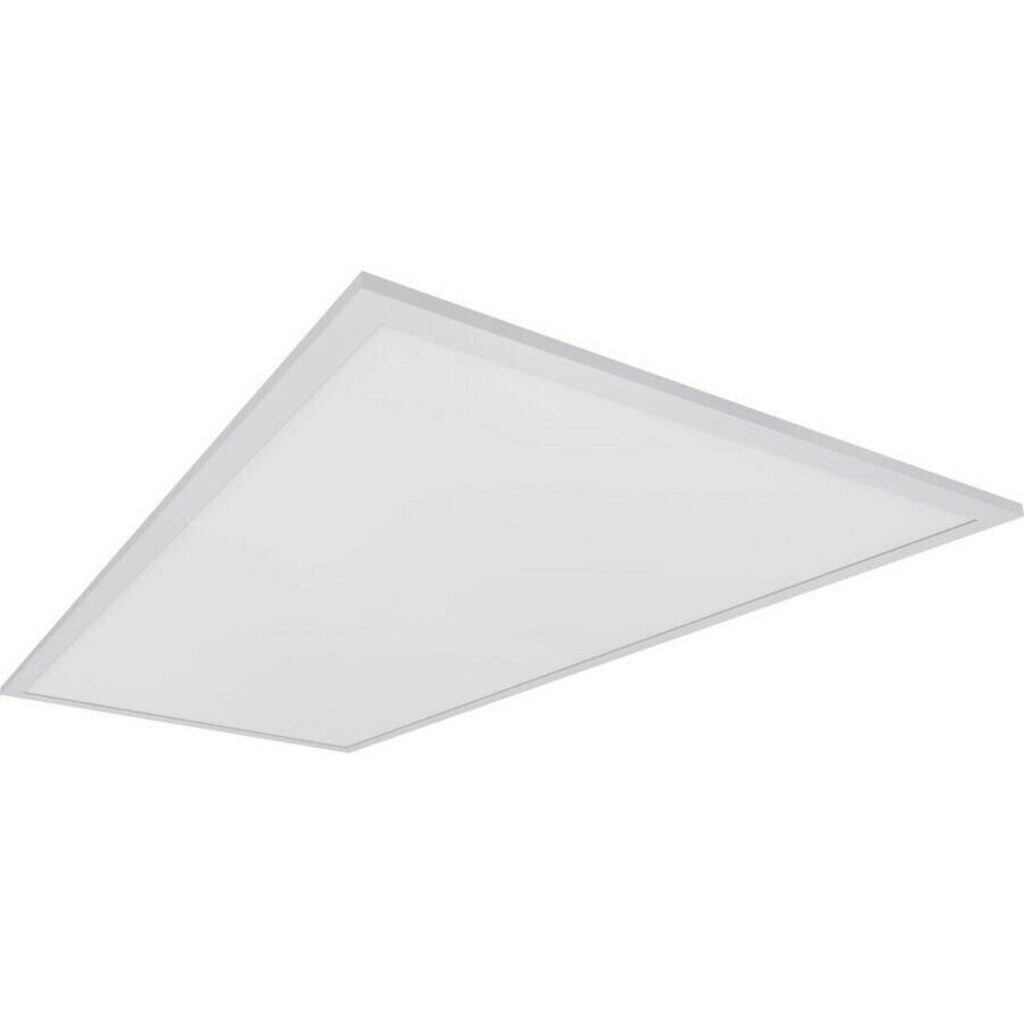
- How wide-distribution panels work
- Advantages and limitations of each approach
- Matching beam angle to warehouse layout
How Narrow-Beam Optics Work
Narrow-beam fixtures direct most of their light into a concentrated pattern. That focused beam reaches deeper into tall storage aisles.
More light lands on rack faces instead of spreading across open floor space. Strong aisle lighting photometric distribution can improve visibility inside high-density storage systems where products sit many levels above the floor.
How Wide-Distribution Panels Work
Wide-distribution fixtures spread light across a broader area. They work well in warehouses with lower shelving or larger open work zones.
Fewer dark spots appear between fixtures when mounting heights and spacing match the beam pattern. Wide coverage can create a more even appearance across packing, staging, or shipping areas.
Advantages and Limitations of Each Approach
Neither lighting style fits every building. Narrow beams often reduce wasted light in tall rack systems. Wide patterns may require fewer fixtures across open spaces.
Fixture selection should balance lighting quality with energy use and long-term maintenance goals. Good warehouse ceiling photometry confirms how each option performs before installation.
Matching Beam Angle To Warehouse Layout
Rack height should guide beam selection. Aisle width also changes how light reaches storage locations. Lighting software measures the expected distribution center lux optimization before work begins.
Proper planning with LED high bay lighting creates consistent illumination throughout the warehouse without relying on unnecessary fixture output.
Frequently Asked Questions
What Beam Angle Is Best for Very Tall Fulfillment Racks?
There isn’t one beam angle that fits every warehouse. The best choice depends on:
- Rack height
- Aisle width
- Fixture mounting height
A narrow beam often performs better in tall, narrow aisles because more light reaches the storage faces. Wider beams usually fit lower ceilings or open floor areas.
Photometric modeling predicts light distribution before installation. That approach produces more reliable results than selecting fixtures by wattage alone.
How Are Footcandles and Lux Used in Warehouse Lighting Design?
Footcandles and lux both measure light on a surface. A footcandle is the standard unit in the United States. Lux is the metric equivalent used in many international lighting standards.
Designers often convert between the two during planning. Comparing both values makes it easier to review fixture specifications from different manufacturers and verify lighting targets across projects.
Why Does Reflective Racking Material Affect Lighting Performance?
Light behaves differently after striking different surfaces. Bright painted racks reflect more light into an aisle. Dark cartons absorb more light instead.
Wire shelving lets some light pass through to lower levels. These differences can change brightness throughout a storage system. Fixture placement often changes after designers evaluate the materials inside the warehouse.
Better Lighting Solutions in 2026
Choosing between narrow-beam optics and wide-distribution panels depends on your warehouse layout, rack height, and automation goals. The right LED high bay lighting design delivers consistent illumination where it matters most.
We put our customers first by combining responsive, knowledgeable service with fast order fulfillment and competitive pricing. Our team is available to answer questions, recommend the right products, and keep your purchase moving quickly. Most complete, in-stock orders ship within 24 hours on weekdays, and our volume pricing program rewards larger purchases with greater savings, helping you get more value without sacrificing service or speed.
Get in touch to find out how we can help with your lighting needs.