










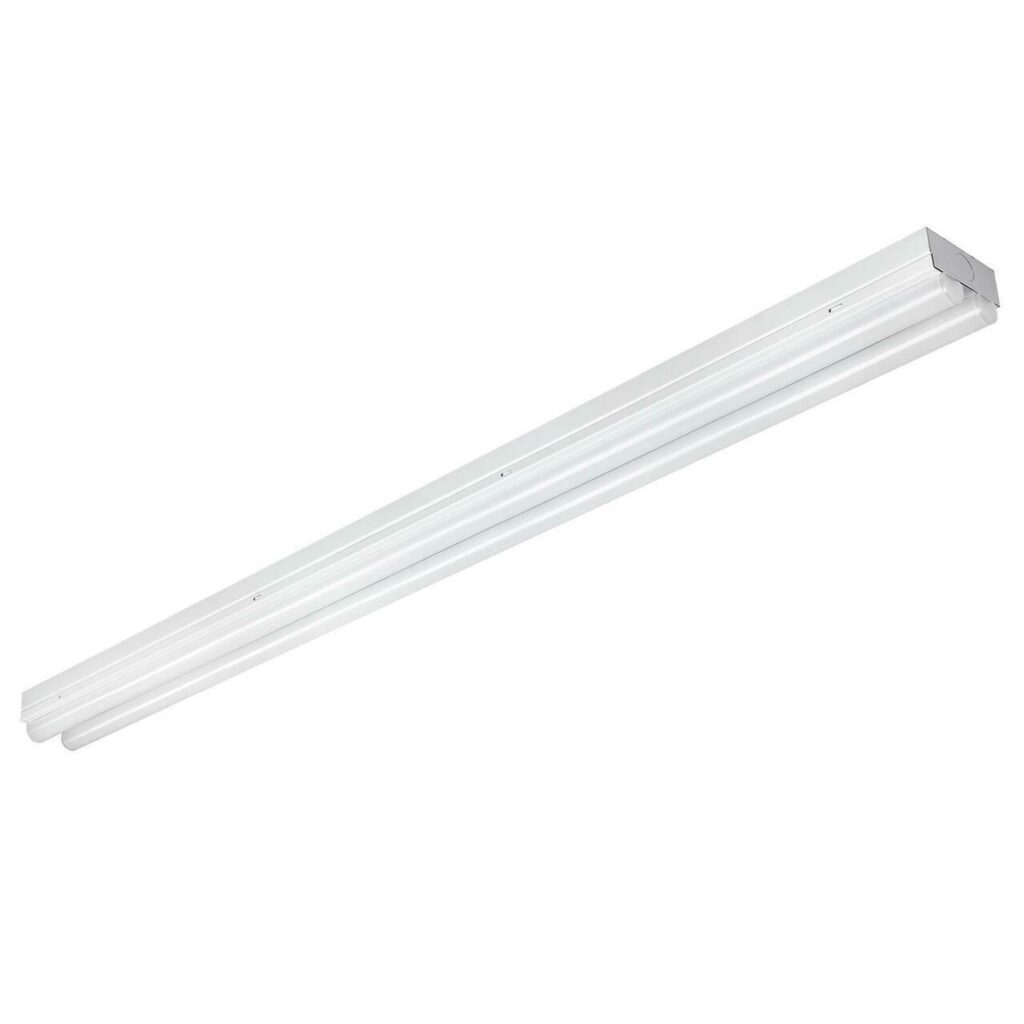
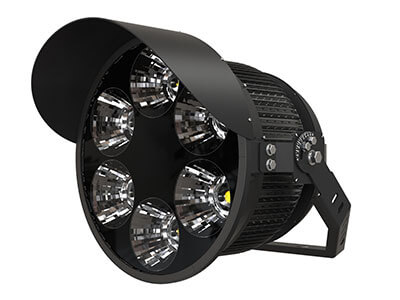
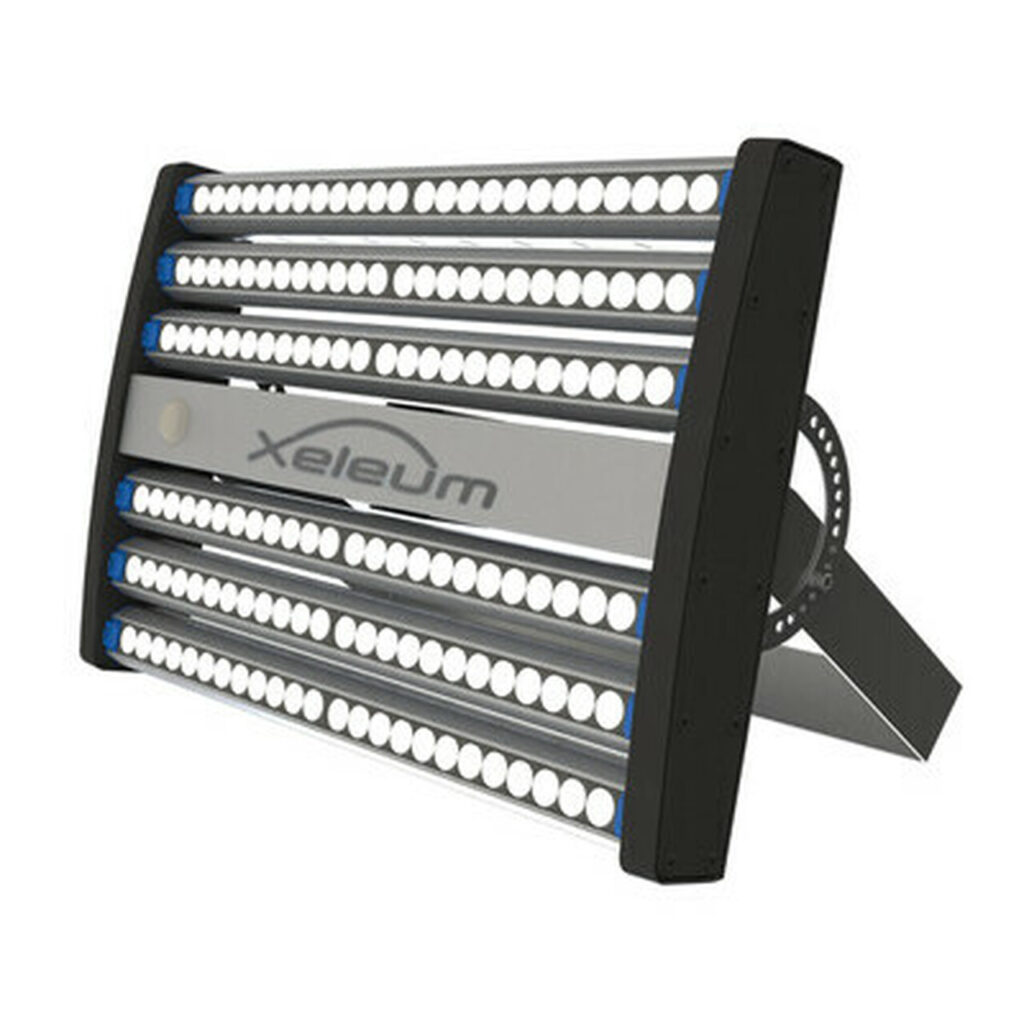
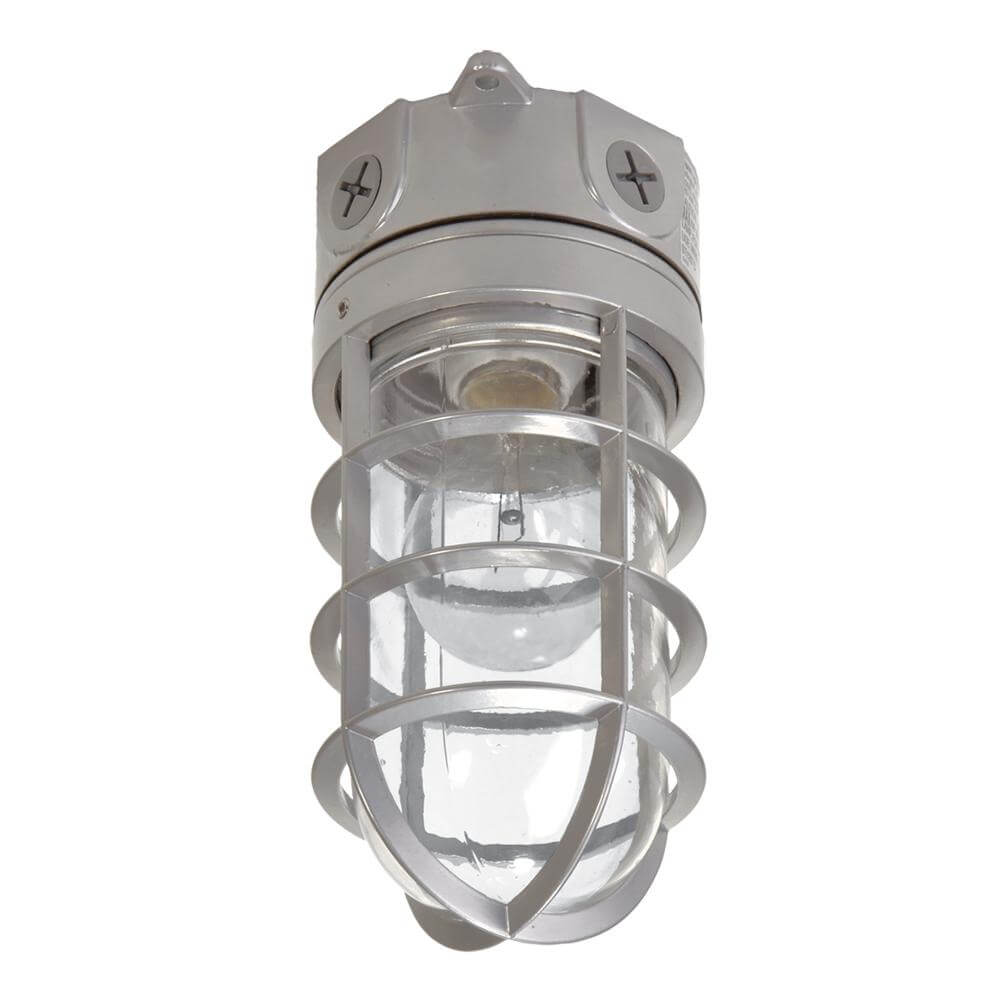
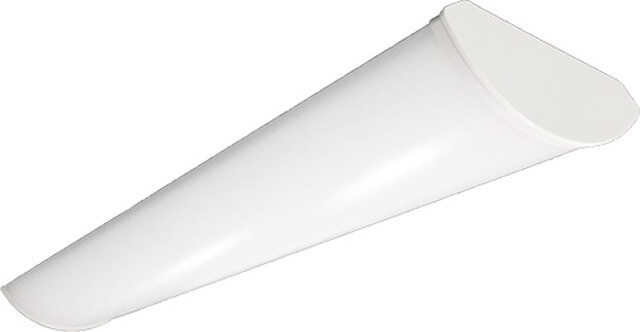


High temperatures can affect LED hazardous location lights by making it harder for fixtures to release the heat they generate. Over time, heat buildup can affect performance and shorten the lifespan of internal components, particularly in demanding industrial environments.
LED lighting has become increasingly popular over the past 20-plus years because it offers long service life, energy efficiency, and dependable performance across many commercial and industrial settings. However, LEDs still generate heat, and extreme ambient temperatures can place additional stress on the fixture and its internal components.
A suitable high ambient temperature rating helps ensure a fixture can operate reliably in demanding environments. Proper hazardous location thermal management also helps control heat and protect performance over time.
Here at Lighting and Supplies, we help commercial and industrial customers select lighting suited to challenging applications, including hazardous locations and high-temperature environments. Understanding temperature ratings can help you choose the right fixture.
How Do High Temperatures Affect LED Hazardous Location Lights?
As noted above, high temperatures can affect the performance and lifespan of LED hazardous location lights. As the surrounding temperature rises, the fixture has to work harder to manage the heat produced by its LEDs and electrical components.
Too much heat can reduce light output and put extra stress on the LED driver. Over time, this can shorten the life of the fixture and lead to performance problems.
The surrounding environment matters, too. A fixture installed near a furnace, boiler, processing equipment, or other heat source may experience much higher temperatures than the rest of the facility.
For this reason, it is important to choose a fixture with a temperature rating that matches the installation area. At Lighting and Supplies, we can help you find lighting designed for demanding commercial and industrial environments.
What Is the Maximum Temperature That LEDs Can Reach?
There is no single maximum temperature for every LED. The limit depends on the LED, driver, housing, and overall fixture design.
The LED itself can reach a much higher temperature than the air around it, which is known as the LED junction temperature. However, this should not be confused with the fixture’s maximum ambient temperature. When comparing hazardous location lights, you should check:
- Maximum ambient temperature
- LED junction temperature
- Fixture temperature rating
- Driver temperature rating
- Temperature classification
A high LED temperature rating does not automatically mean a fixture can operate in an extremely hot area. The manufacturer’s specifications should always be checked before installation. We can help you compare these details when selecting a suitable fixture.
How Does Hazardous Location Thermal Management Work?
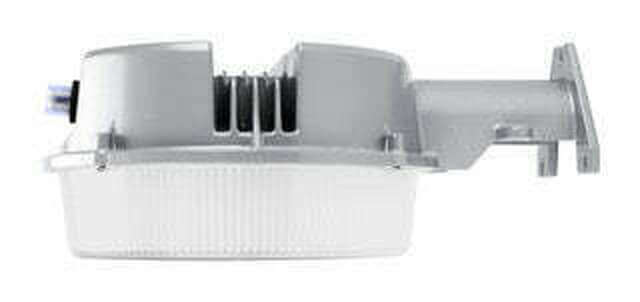
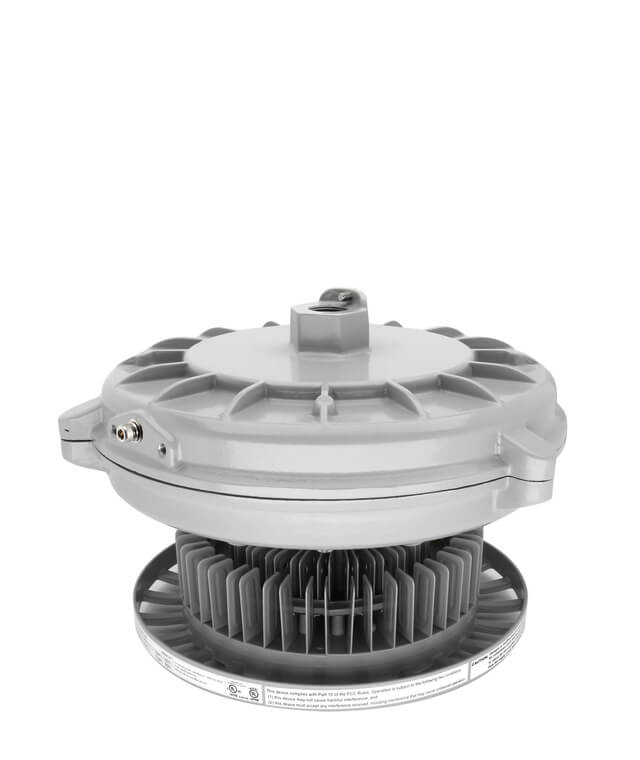
Hazardous location thermal management helps keep a fixture from becoming too hot during normal operation. LED fixtures may use heat sinks and other materials that move heat away from the LED and other important components.
The fixture’s design also plays a role. A well-designed housing can help manage heat while still protecting the fixture from the conditions found in hazardous areas.
The installation itself matters, too. A light placed close to a major heat source may become much hotter than one installed elsewhere in the same facility. The surrounding temperature should always be considered.
At Lighting and Supplies, we help customers find lighting for challenging commercial and industrial applications. We can help you consider temperature requirements alongside the other specifications for your project.
What Should You Check Before Choosing a High-Temperature Fixture?
A good place to start is by checking the highest temperature the fixture is likely to experience. You can compare this with the manufacturer’s high ambient temperature rating to make sure the light is suitable for the environment.
You should also check that the fixture has the right hazardous location certification and temperature classification for the area. Other factors, such as light output, mounting style, voltage, and environmental exposure, can also affect your choice.
It’s also important to avoid choosing a fixture based only on its wattage or lumen output. A light may provide the right amount of illumination but still be unsuitable for a high-temperature location.
We offer a wide range of commercial and industrial lighting products from leading manufacturers. Our team can help you compare product specifications and find an option that fits your application.
Frequently Asked Questions
Can Heat Damage an LED Hazardous Location Light?
Yes. Excessive heat can place stress on the LED, driver, and other internal components. Operating a fixture above its rated temperature can reduce its performance and lifespan.
Why Does the Ambient Temperature Rating Matter?
The ambient temperature rating tells you how hot the surrounding environment can be while the fixture operates safely and as intended. It is especially important for lights installed near heat-producing equipment.
Do LED Lights Produce Heat?
Yes. LEDs produce less wasted heat than many older lighting technologies, but they still generate heat during operation. A suitable fixture needs to manage that heat effectively.
Can I Use the Same Hazardous Location Light in Any Temperature?
No. Hazardous location lights can have different operating temperature ratings. The fixture needs to be rated for the conditions where it will be installed.
What Happens if a Fixture Gets Too Hot?
Excessive heat can reduce light output, affect the driver, and shorten the fixture’s expected service life. In some cases, continued overheating can cause the light to stop working properly.
How Can I Find the Right Fixture for a Hot Area?
You can start by checking the expected ambient temperature and comparing it with the fixture’s specifications.
You should also confirm the hazardous location certification and temperature classification. Lighting and Supplies can help you compare suitable options for your application.
Choose LED Hazardous Location Lights With Confidence
High temperatures can affect lighting performance, making the right fixture important for demanding environments. LED hazardous location lights with the appropriate temperature rating can provide reliable illumination while supporting long-term performance.
Factors such as hazardous area housing durability, thermal management, and operating conditions should all be considered before choosing a product.
At Lighting and Supplies, we offer a collection of LED lighting options for commercial and industrial applications. Browse our wide range of LED lights or contact us for help choosing the right solution for your application.