











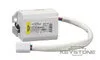
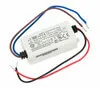
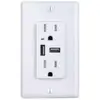


ELV dimmers are electronic low-voltage dimmers that are designed to work with light fixtures that use electronic transformers. These dimmers work differently from traditional or multi-location dimmers, which use rheostats to adjust the voltage level. ELV dimmers use pulse-width modulation (PWM) to control the power delivered to the light fixture, resulting in a smoother and more precise dimming experience.
LED lighting now makes up a huge share of new installations, and that number keeps growing. The U.S. Department of Energy expects LEDs to account for about 84 percent of all lighting by 2035. When you switch to LEDs, the right dimmer helps you avoid flicker and get longer life from your fixtures.
Do I Need an ELV Dimmer?
ELV dimmers work best with certain types of lighting. If your fixtures use electronic transformers or external LED drivers, an ELV dimmer often gives you the best results. You will notice the difference in spaces like:
- Cove lighting
- Under-cabinet lights
- Track lighting
- Accent fixtures
These setups are common in both homes and commercial buildings.
Many modern LED bulbs and integrated fixtures work fine with a good universal or CL-rated dimmer. However, if you see flickering or a limited dimming range with your current switch, switching to an ELV dimmer for LED lights can solve the problem.
Higher-end dimmable ELV setups also let you dim much lower without losing quality.
Ask yourself a few questions.
- Does your fixture label or driver say it needs trailing-edge or reverse-phase dimming?
- Do you want deep, smooth dimming for ambiance in a restaurant, hotel, or living room?
If the answer is yes to either, an electronic low-voltage dimmer is usually the better choice. When in doubt, check the fixture specifications or bring the model number to a lighting supplier for help.
How Do Electronic Low-Voltage Dimmers Work?
ELV dimmers use a microprocessor to control the voltage delivered to the light fixture. The microprocessor sends a series of pulses to the electronic transformer, which then converts the pulses into a constant voltage output. The frequency of the pulses determines the amount of power delivered to the light fixture.
ELV dimmers adjust brightness by turning the power off at the very end of each electrical cycle, which is known as trailing-edge dimming. Waiting until the end of the cycle creates smoother brightness changes and reduces flickering.
ELV dimmers belong to the trailing-edge category. LED drivers and electronic transformers respond well to this method because the gentler power reduction puts less stress on the electronics.
Leading-edge dimmers work the opposite way. They cut power at the beginning of each cycle. These dimmers usually pair better with older magnetic transformers, but they often cause flickering or buzzing when used with modern LED systems.
Trailing-edge dimmers tend to be more advanced than leading-edge models. Their better compatibility with electronic loads and improved energy performance make them a strong choice for LED lighting.
Do ELV Dimmers Require a Neutral?
Most ELV dimmers need a neutral wire to work properly. The neutral gives the dimmer’s internal electronics a safe path for a small amount of current. Without it, that current can leak through the lights and cause flickering or ghosting, especially with LEDs.
ELV dimmers can be installed like traditional dimmers, but you must follow the manufacturer’s instructions. They may require a neutral wire and may not fit in every switch box.
If your box does not have a neutral, you have a few options. You can:
- Have an electrician add one
- Choose a different compatible dimmer type if your lights allow it
- Look at certain smart models that sometimes work around the issue
In commercial projects or larger renovations, planning for neutral wires early saves time and frustration later. Always turn off the power at the breaker and double-check the wiring before starting any work.
When you are unsure, a licensed electrician can confirm what your specific setup needs.
What Should You Consider When Selecting ELV Dimmers for LED Lights?
ELV dimmers provide several clear benefits compared to older rheostat-style dimmers. They:
- Deliver smooth and precise brightness control
- Reduce flickering and noise
- Improve energy efficiency
- Help extend the life of your bulbs
These dimmers work with electronic transformers, which are standard in most LED and halogen lighting systems. They often do not work properly with magnetic transformers or traditional incandescent bulbs.
Checking compatibility before you buy helps avoid performance issues and wasted money.
Choosing the correct dimmer becomes especially important when investing in LED lighting. LEDs already use less energy than older lighting types, but they cost more upfront. Without the right dimmer, you may not get the full energy savings or lifespan you expect from your LEDs.
Some LED applications do not require dimming at all, but in many cases, the ability to adjust light levels adds comfort and further reduces energy use.
Frequently Asked Questions
What Is the Difference Between ELV and MLV Dimmers?
ELV dimmers and MLV dimmers serve different types of low-voltage lighting. ELV dimmers use trailing-edge technology and work with electronic transformers and LED drivers. MLV dimmers use leading-edge technology and are designed for magnetic transformers.
Using the wrong type often causes problems. An MLV dimmer on an electronic LED system can create flickering or buzzing. An ELV dimmer on a magnetic transformer can overheat the transformer or cause poor performance.
Always check the transformer or driver type before choosing a dimmer.
Can ELV Dimmers Work With Smart Home or Commercial Control Systems?
Many ELV dimmers now come in smart versions that connect to Wi-Fi or building automation systems. Some smart ELV dimmers also offer phase selection, which lets you switch between trailing-edge and leading-edge modes.
How Can You Tell If Your Current Dimmer Is Not Compatible With Your LEDs?
Common signs of incompatibility include:
- Flickering at certain brightness levels
- Buzzing or humming from the lights or dimmer
- Lights that never turn completely off
- A very limited dimming range
- LED drivers may also fail earlier than expected
These issues usually appear soon after installation. Swapping to a compatible ELV dimmer often resolves the problems.
Why ELV Dimmers Make Sense for Modern LED Lighting
ELV dimmers provide smoother control and better compatibility with today’s LED systems than older dimming options. When your lighting uses electronic transformers or drivers, choosing the right ELV dimmer helps protect your investment and improves both performance and energy efficiency over time.
At Lighting and Supplies, we help commercial and industrial clients select and implement the right lighting controls for their specific needs. Our team offers free lighting audits and designs, along with hands-on support from product selection through installation and beyond. We also assist with warranties and rebates long after the project is complete.
If you are planning an LED upgrade or experiencing issues with your current dimming setup, contact us today.