











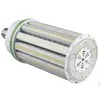
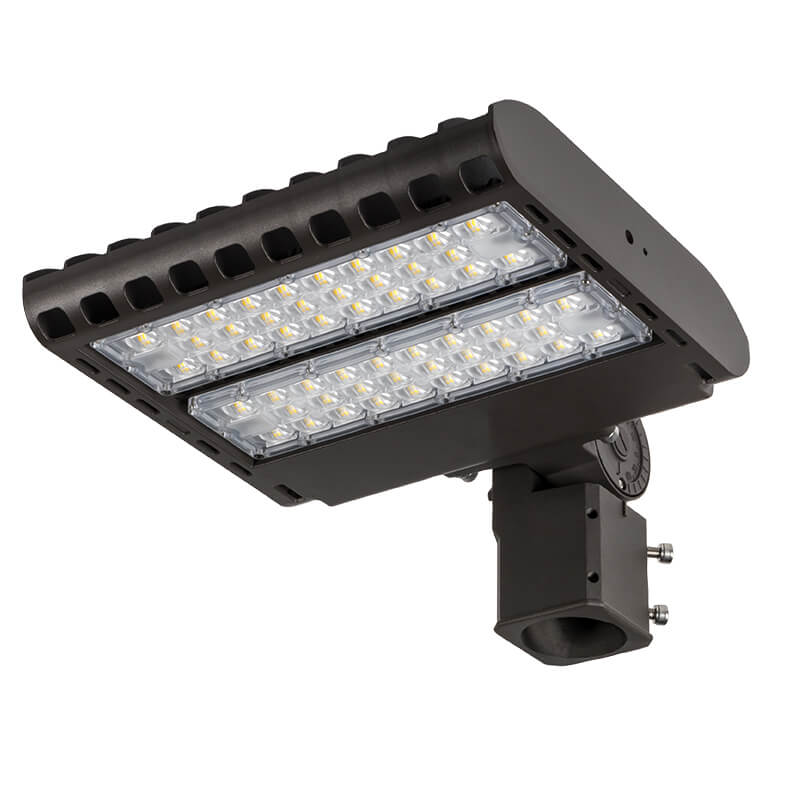
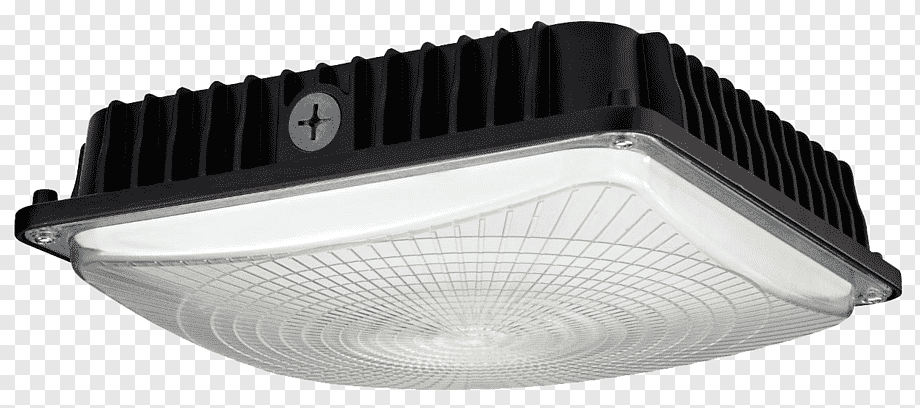
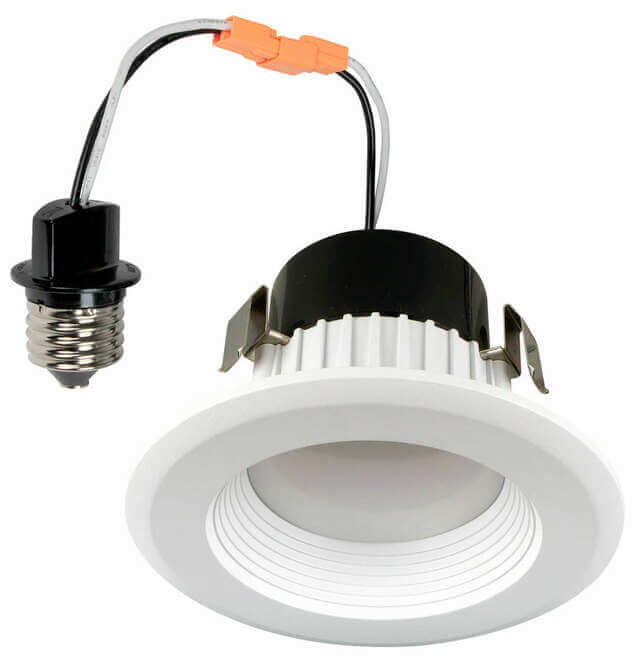
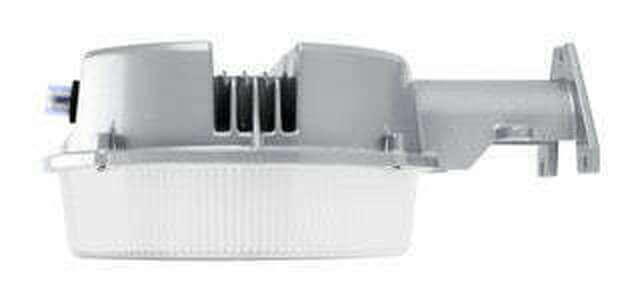

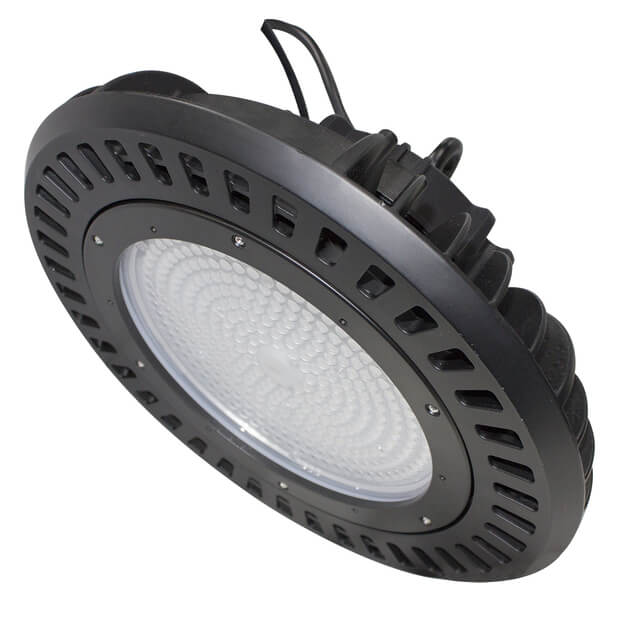
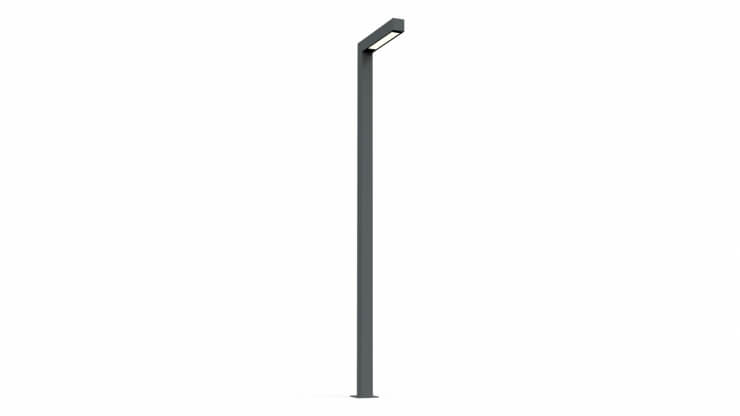
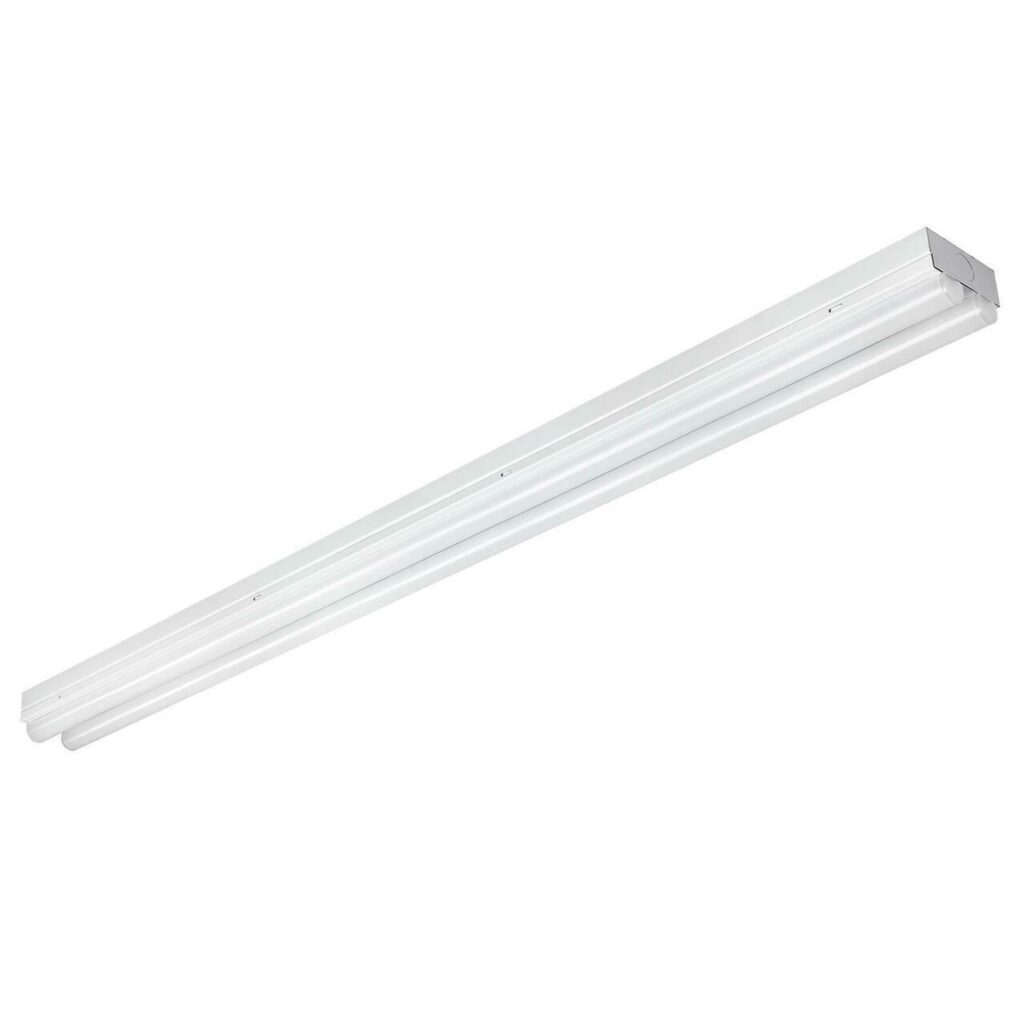
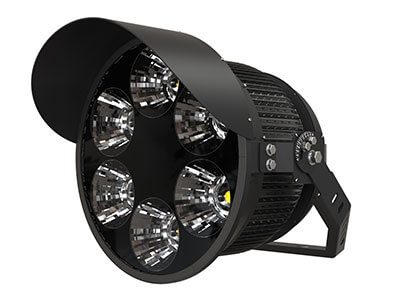
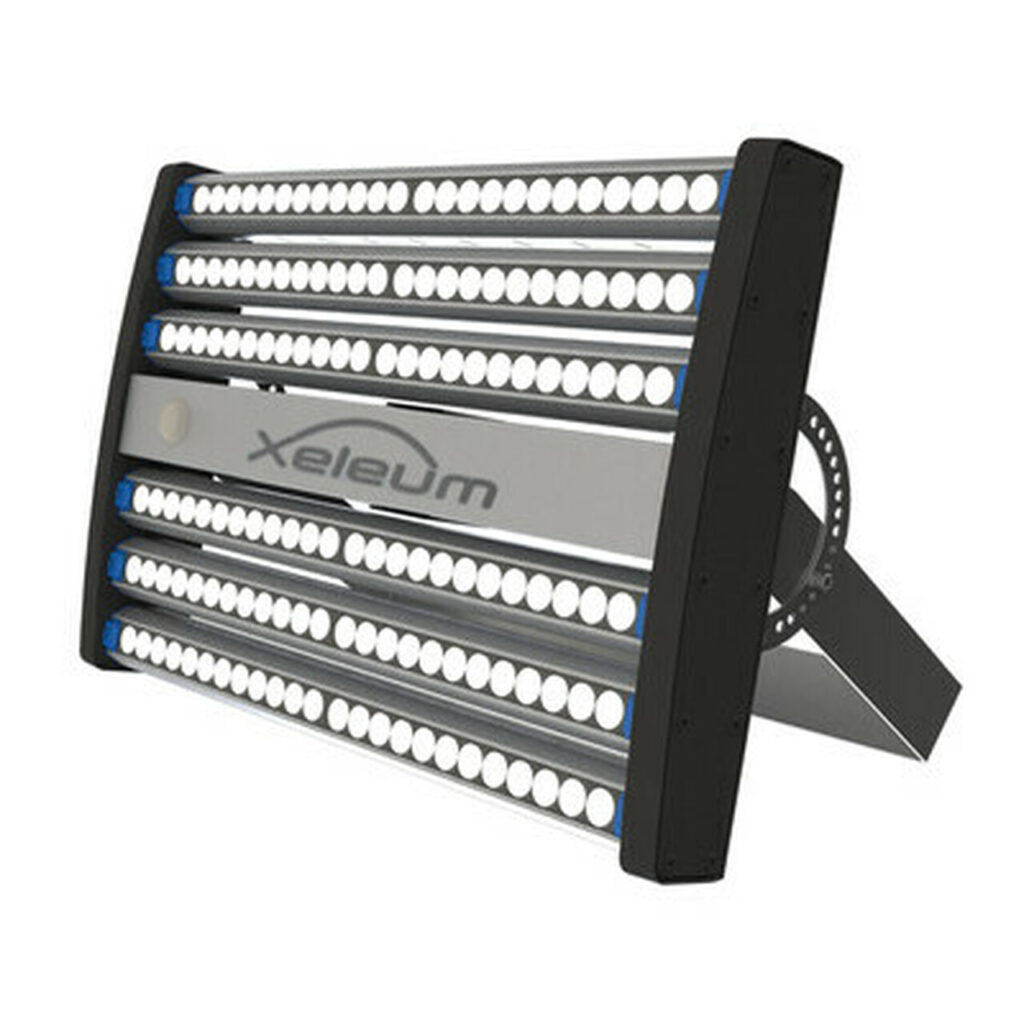
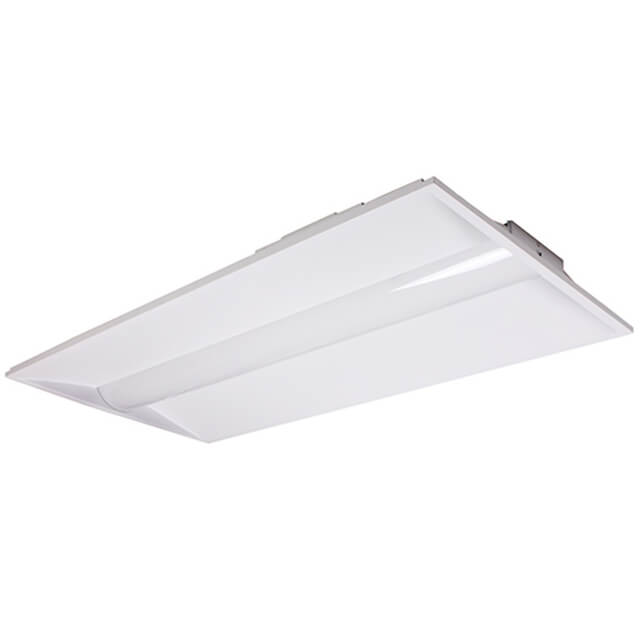
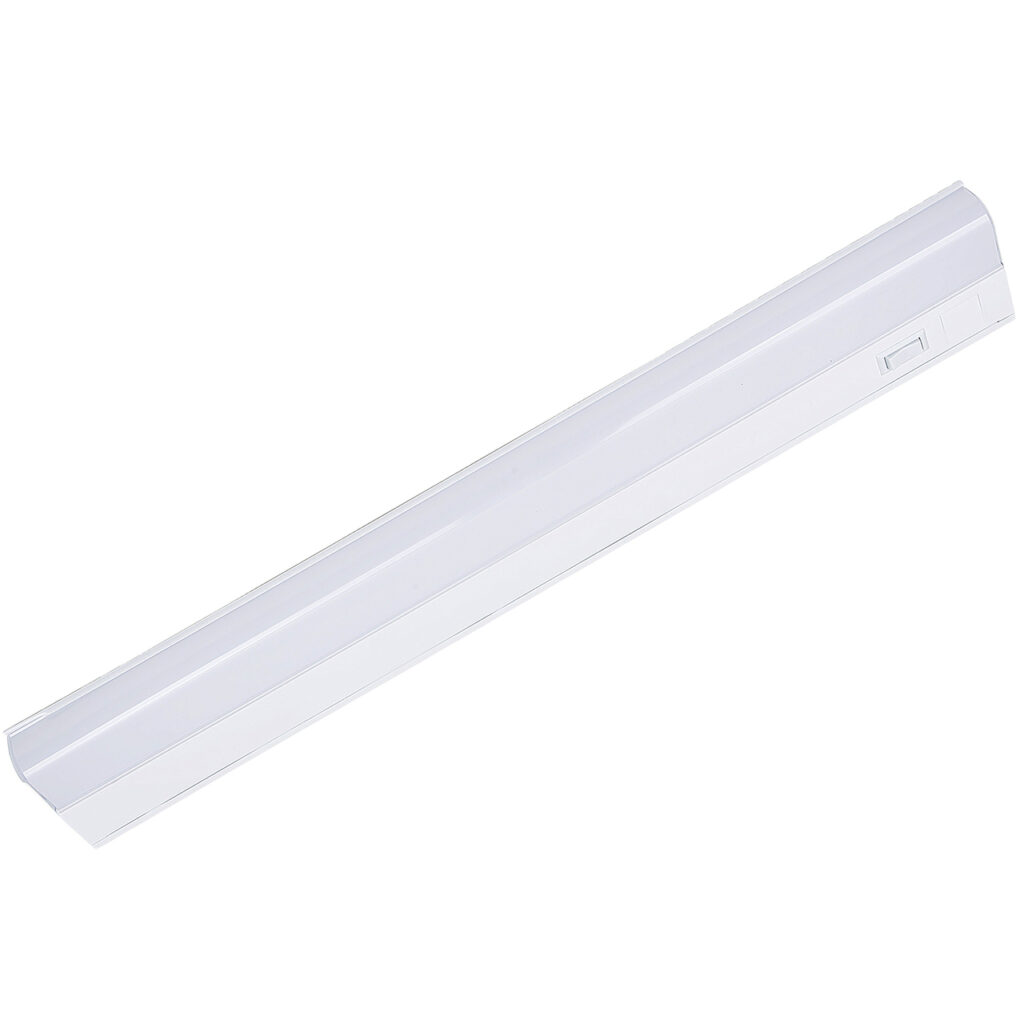



Lighting has significant roles both in industrial and commercial settings and outdoor settings. In stadiums and warehouses as well as in parking lots and factories, the proper lighting system directly influences the energy cost, performance and maintenance requirements.
Metal Halide Bulbs had been the most popular high-intensity lighting over many years. In recent years, however, LED lighting has replaced nearly all applications thanks to its efficiency and overall value.
This article by Lighting and Supplies dissects a full LED vs metal halide comparison chart guide. This will further explain how each technology works, its applications and why LED is fast replacing metal halide technology across the globe.
What is meant by Metal Halide Light?
A metal halide lamp is a kind of high-intensity discharge (HID) lamp. In simple terms, it is defined as a light source which is able to generate light by passing an electric current through a mixture containing mercury and metal halide compounds. The reaction produces a very bright white light.
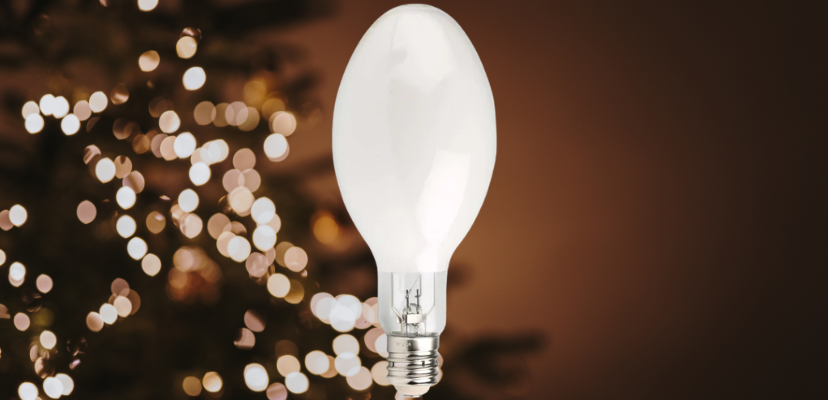
The reason behind the popularity of metal halide bulbs was that they provide excellent illumination for large spaces. They were commonly used in stadiums, warehouses and outdoor floodlights.
The main features of Metal Halide Bulbs
- Very high brightness output
- Normal appearance of white light in nature.
- Excellent color reproduction in most applications.
- Good performance in large open spaces.
Where can you find Metal Halide Bulbs more commonly?
Metal halide lighting is primarily in the older or traditional installations, like:
- Outdoor parking lots
- Sport arenas and stadiums.
- Big factories & large warehouses.
- Industrial floodlighting systems
- Hockey rinks as well as in gymnasiums
These are heavy and large area lighting settings that metal halide systems were intended to serve prior to the inception of LED technology.
What is meant by LED Lighting?
LED is an abbreviation that means Light Emitting Diode. As compared to metal halide lamps, LED light bulbs are a solid-state semiconductor technology. Passing electricity through the diode directly causes light production without heating gas or filaments. This allows LED systems to be much more efficient and robust. Due to its performance and ability to save power, LED technology has rapidly become the standard of lighting systems worldwide.
Where can you find LED lights more commonly?
LED lighting is now employed almost everywhere, and it includes:
- Residential homes
- Industrial warehouses
- Commercial buildings
- Highway and street lighting.
- Sports facilities along with their stadiums.
- Schools, hospitals, as well as in offices
LEDs are versatile, expandable and very efficient and this is why they are substituting nearly all the older lighting technologies.The major differences between LED and Metal Halide lighting.
LED vs Metal Halide: Key Differences
Let us now make a line-by-line LED vs metal halide comparison chart for your ease of choice.
1. Energy Efficiency
Among all the differences in lights, Energy consumption stands the biggest one.
Metal Halide lamps squander a lot of energy as heat, whereas LEDs use most of the energy into light.
| Metal Halide performance | Above average |
| LED efficiency | Very high |
LEDs can save 50-70 percent of the energy usage of metal halide systems in actual use.
2. Lifespan
Another significant factor is lifespan.
| Metal Halide lifespan range | 6,000 to 15,000 hours |
| LED lifespan range | Ranges from 25,000 to 100,000 hours on average |
This simply means that LED light can last up to 5-7 times as long as metal halide lamps.
This significantly leads to low replacement expenses and maintenance.
3. Warm-Up Time
Lights using metal halide do not switch on immediately. It takes them time to get to full brightness.
| Metal halide Warm-Up Time | 10-20 minutes warm-up period. |
| LED Lights Warm-Up Time | Instant full brightness |
This makes LEDs much more practical for modern applications where instant lighting is required.
4. Maintenance Requirements
Metal halide systems are prone to frequent maintenance as a result of the wearing out of the bulbs and ballast problems.
LED systems, however, do not need much maintenance.
| Metal Halide | It is very expensive to maintain |
| LED Lights | Low maintenance. |
LED systems are generally more economical over time in terms of workload.
5. Light Quality
The technologies both generate good-quality light however, differences are found in terms of stability.
| Metal Halide | Good initial brightness, but fades over time |
| LED Lights | Brightness remains the same over the lifespan |
LED also has superior color temperature and beam direction control.
6. Directionality of Light
This is an important technical difference.
- The metal halide bulbs give out light in every direction (360). This implies that it loses a significant amount of light that has to be reflected.
- LED lights are also directional, that is, they concentrate the light where it is required.
This ensures that LED systems are much more effective in practical applications.
7. Heat Production
Metal Halide Bulbs produce a lot of heat thereby leading to loss of energy.
LED lights do not generate much heat.
| Metal Halide | Large heat output. |
| LED Lights | Low heat radiance. |
Reduced heat equates to enhanced safety and efficiency.
8. Environmental Impact
Another important factor is environmental safety.
- Mercury is hazardous and is found in metal halide bulbs.
- LED lamps are non-mercury and safe to the environment.
9. Durability and Strength
The LED lights are constructed on solid-state technology and thus very durable.
Metal halides are weaker and more vulnerable to related vibrations and shocks.
| Metal Halide | Fragile |
| LED Lights | Highly durable |
LEDs perform better in tough environments than Metal Halide Lamps.
10. Lifetime Cost
Although Metal Halide Bulbs cost less initially, they prove to be expensive in the long run because:
- Frequent replacements
- High electricity bills
- Maintenance costs
LED lights are more expensive initially, but save a significant amount of money in the long term.
LED is the cheaper solution in general.
11. Switching Performance
| Metal Halide Bulbs | Delay in starting and restarting. |
| LED Lights | ON/OFF at any moment. |
This renders LEDs more appropriate than Metal Halide Bulbs in Switching Performances.
12. Warranty and Reliability
| Metal Halide Bulbs | 1–2 year warranty |
| LED Lights | 5–10 year warranty |
LED systems offer better long-term reliability.
Why LEDs Are Replacing Metal Halide Bulbs
The use of LED lighting is fast replacing metal halide systems across the globe due to a number of reasons:
- Lower energy consumption
- Longer lifespan
- Reduced maintenance
- Instant lighting response
- Better environmental safety
- Increased efficiency in practical use.
Final Verdict: LED vs Metal Halide
Metal halide lighting was significant in the history of industrial and commercial lighting. It was very bright and of good color quality over the years.
Technology has changed, however.
Today, LED lighting is obviously much better in nearly all categories, particularly in:
- Lifespan
- Efficiency
- Energy savings
- Maintenance cost
- Environmental impact
Lighting And Supplies suggest you that LED lights are the wiser long-term investment if you are planning a new lighting system or updating an old one.