














The choice of the right light in your room is not relative to brightness. It determines how people work, the level of safety within the environment, and the amount of money you spend on electricity every month. Most individuals underestimate the importance of high-bay vs low-bay lighting, especially when making such a crucial decision.
On the surface, the two types of indoor lighting can be similar. They find great application in commercial and industrial settings, and both come in LED technology. However, the fact is the exact opposite. These lights have been developed with entirely different heights and settings. The incorrect one may lead to a lack of visibility, imbalanced lighting, glare, and unnecessary energy expenditure.
Considering the examples given earlier, a high bay light installed in a small ceiling room can produce harsh, uncomfortable illumination. Alternatively, low bay lighting in a high-structure warehouse may render large spaces dark and unsafe. Such errors are more prevalent than one would suspect, and they could cost business money and time.
This guide by Lighting and Supplies aims at addressing that issue fully. It does not simply describe the fundamentals; it takes you through the entire process you need to know, with practical examples, comparisons and contrasts, and expert opinions. At the conclusion, we are sure that you will be fully aware of the distinction between high bay and low bay LED lights and will be able to make the correct choice when it comes to the solution for your space.
What does High Bay Lighting Mean?
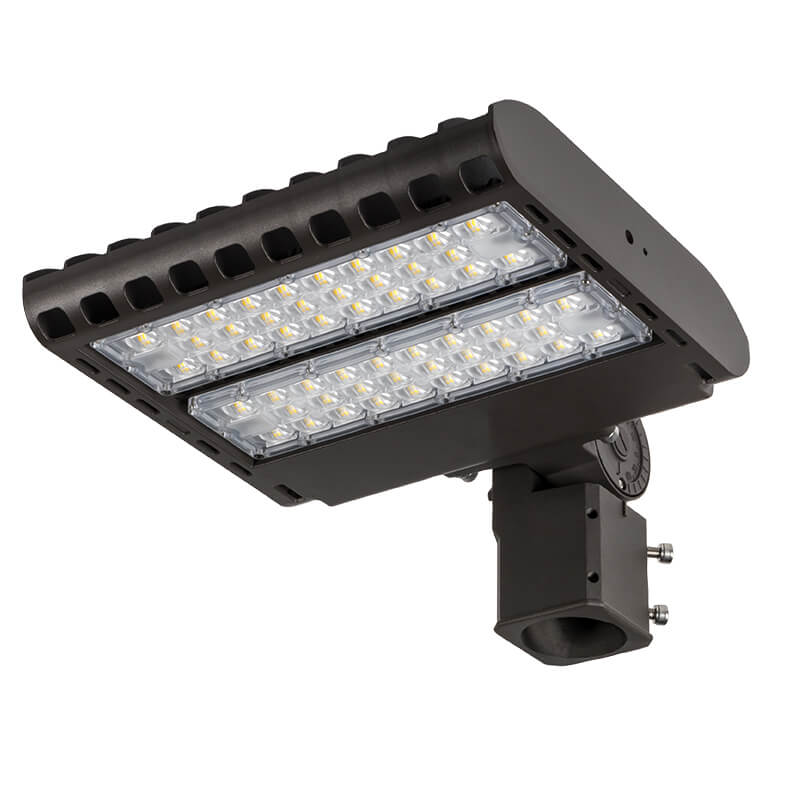
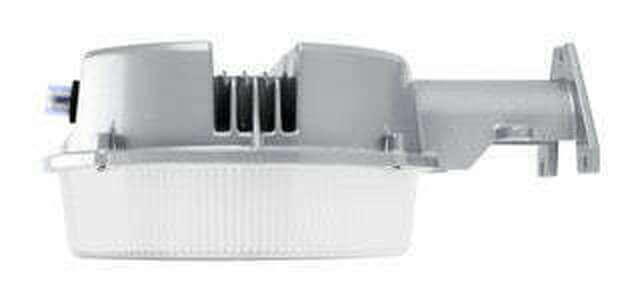
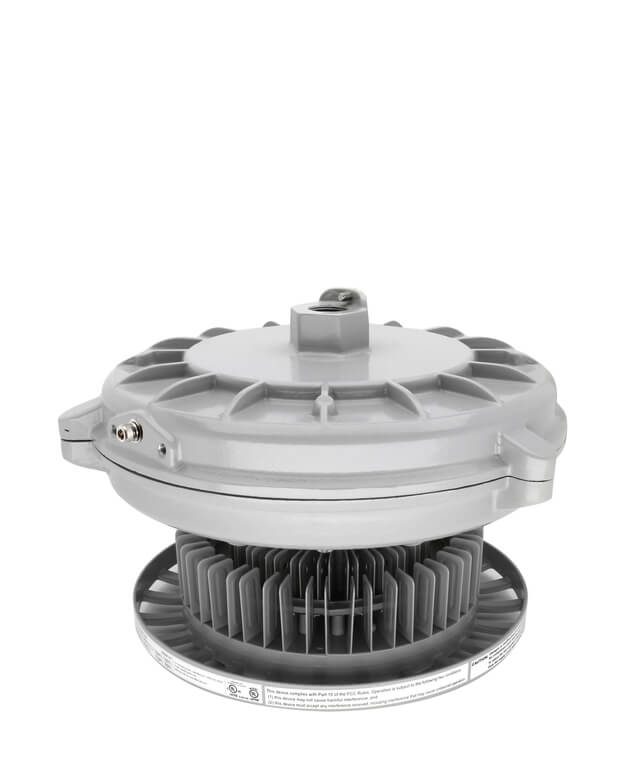
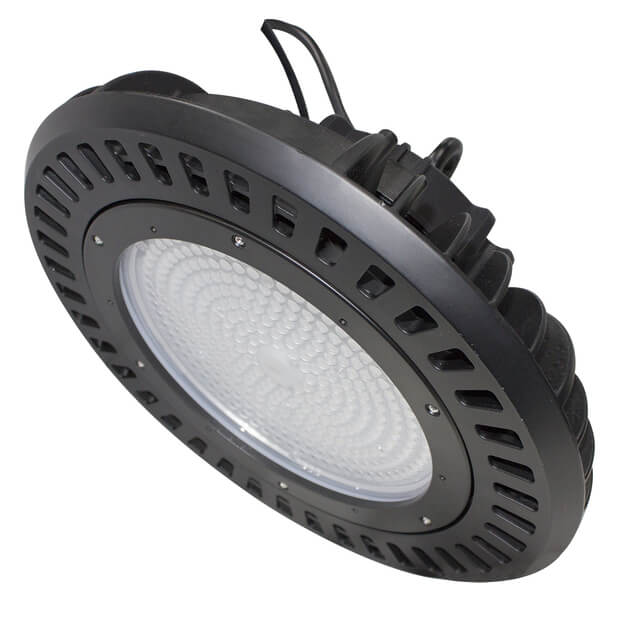
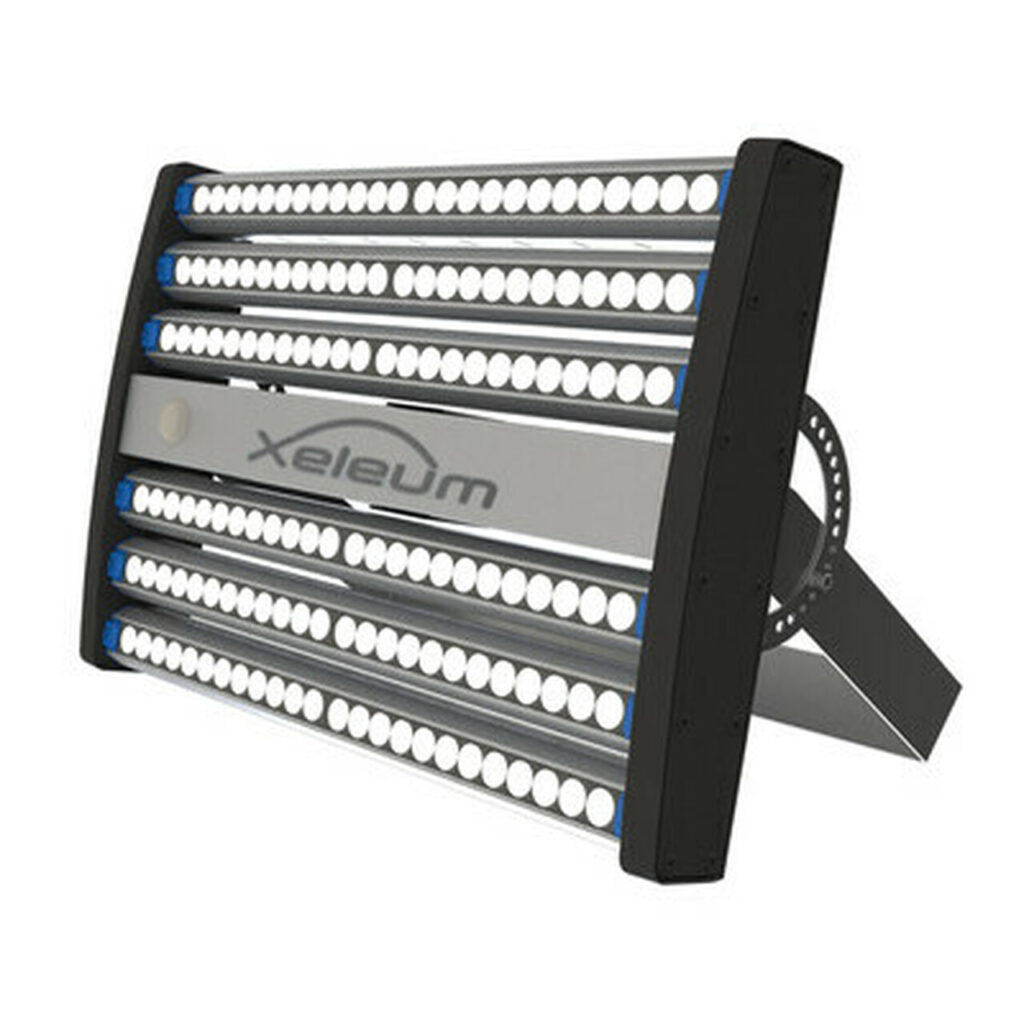
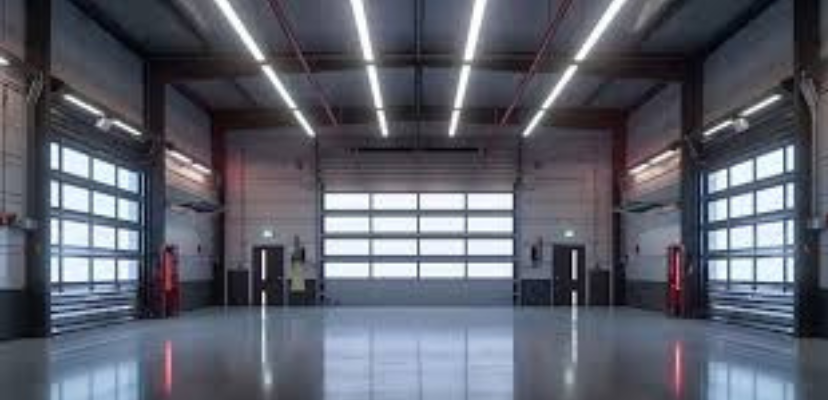
High bay lights are made to mount on the ceiling that measures above 20 feet (typically 20 ft to 40 ft).
The designs of these lights include:
- High lumen output
- Focused beam angles
- Directional lighting reflectors or lenses.
Why are high bay lights powerful?
The light intensity declines with distance. Due to the high placement of the high bay lights (on the ground), they must generate a substantial amount of lumens (15,000-100,000 and above) to be bright enough on the ground.
The ideal places to have high bay lighting.
- Warehouses
- Industrial plants
- Aircraft hangars
- Logistics centers
- Large retail stores
What Is Low Bay Lighting?
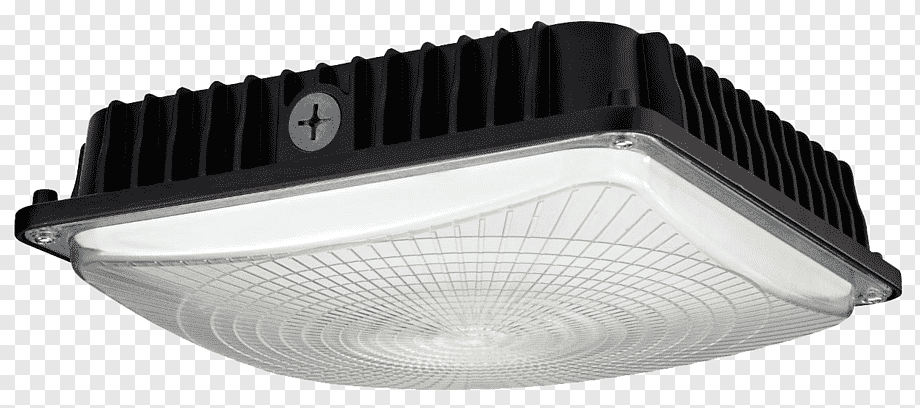
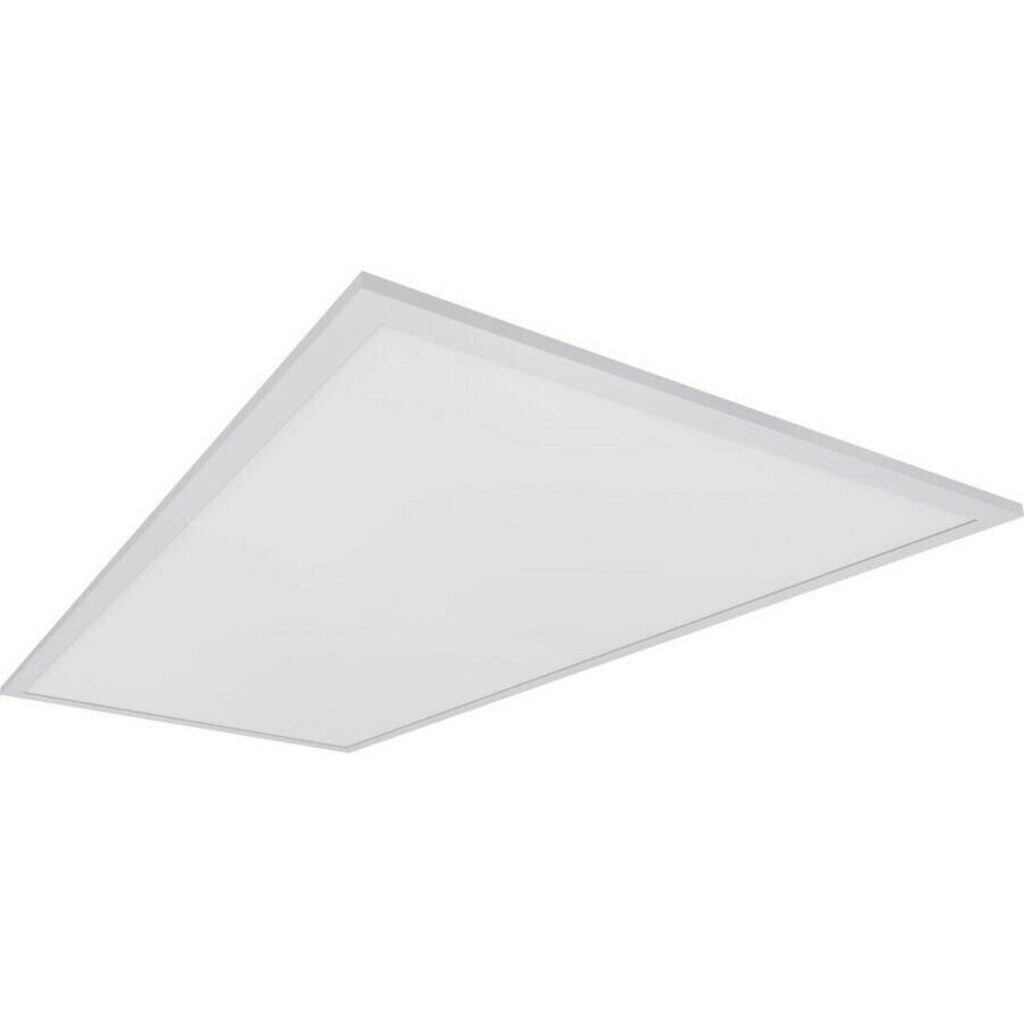
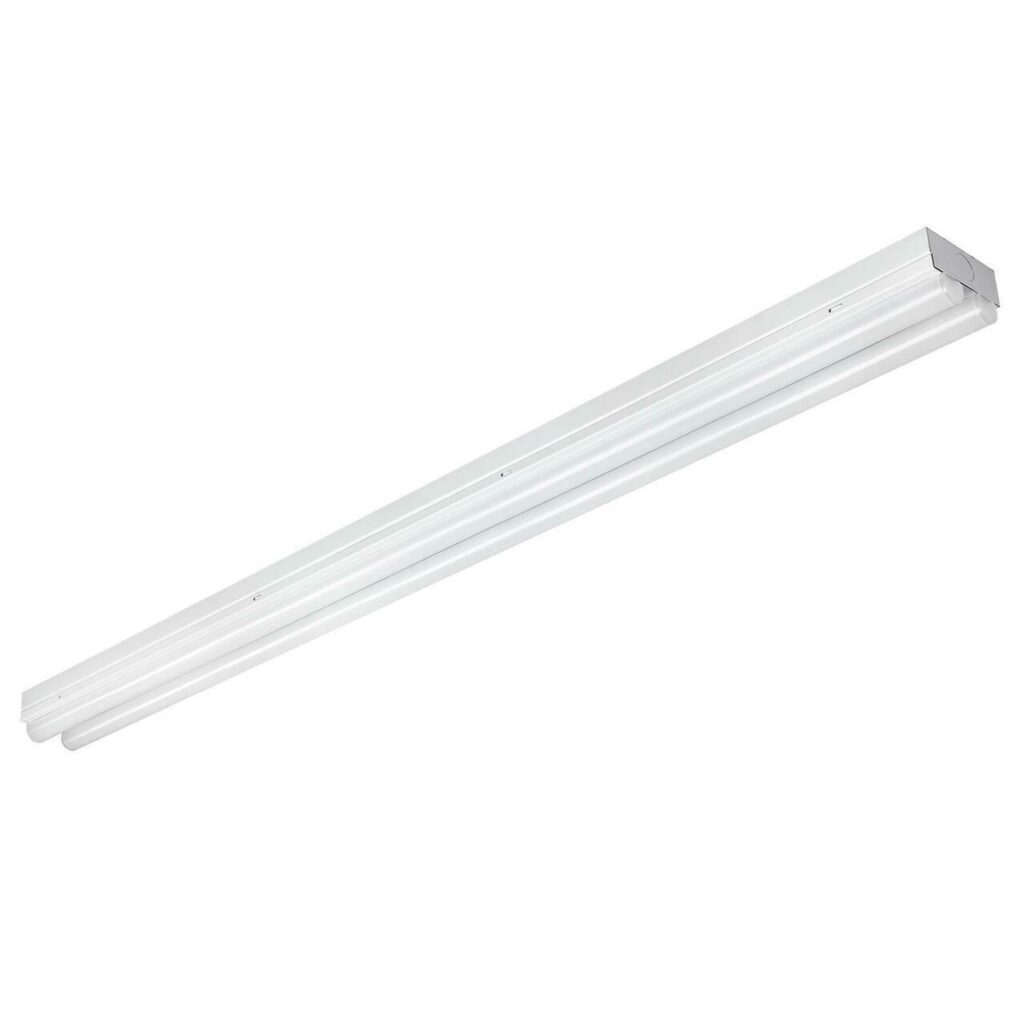
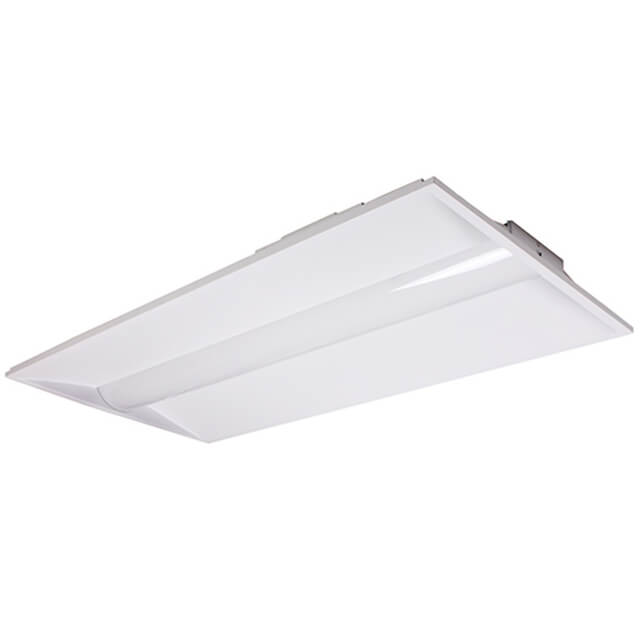
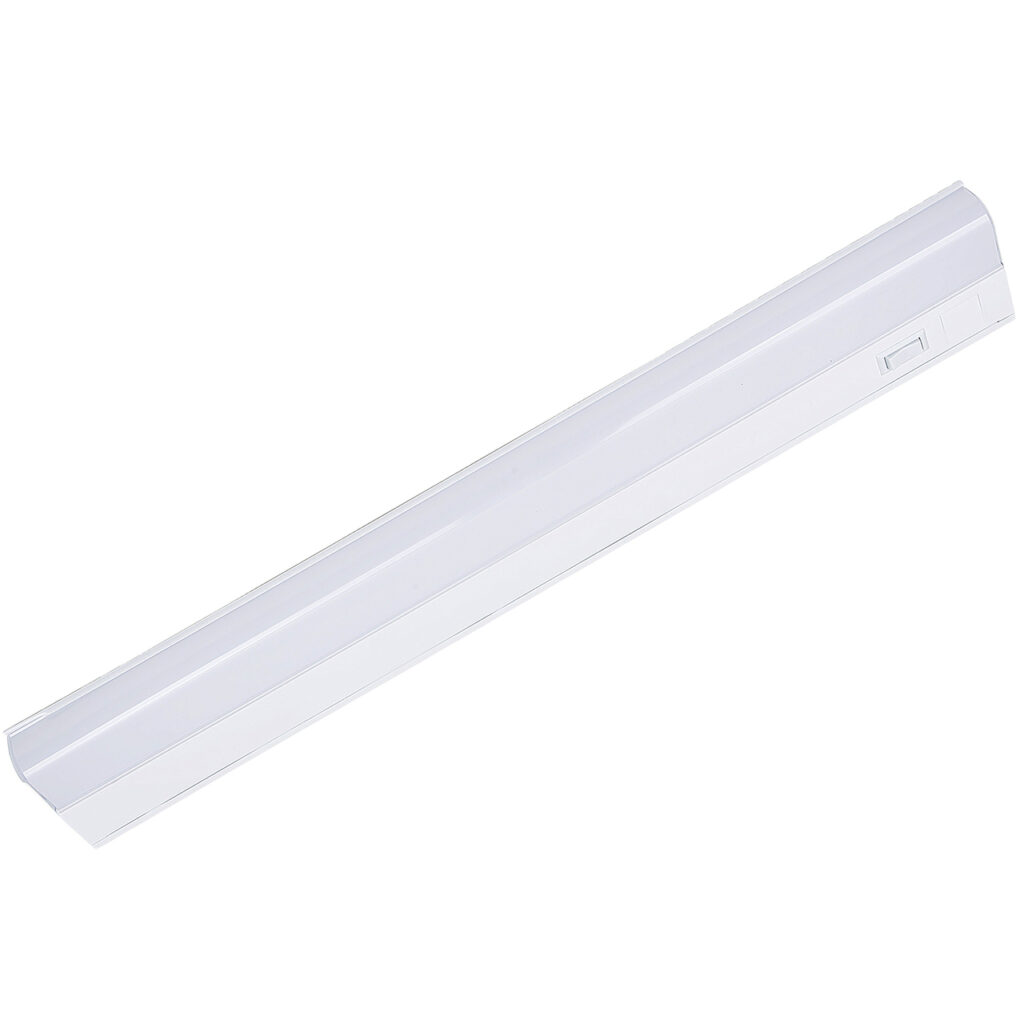
Low bay lighting is installed on ceilings that are typically less than 20 feet, typically 8-20 feet.
Rather than throwing light downward, low bay fixtures:
- Reduce glare
- Spread light evenly
- Improve visual comfort
Why does low bay lighting feel softer?
The light source is also not very high above the ground; it does not require it to be extremely bright. Rather, it employs more expansive beam angles (90 ° -150 °) to spread light evenly throughout the space.
Common applications
- Offices
- Garages
- Workshops
- Restaurants
- Retail stores
High Bay vs Low Bay Lighting (Core Comparison)
The decision to use high bay or low bay lighting depends on the effects of these characteristics on performance, efficiency, and practicality in use. This is not merely a comparison table, but the reasons behind each difference, so that you can make the right decision for your space.
| Feature | High Bay Lighting | Low Bay Lighting |
| Ceiling Height | Made to fit between 20-40 ft or more ceilings. These lights are designed to travel long, straight distances where normal lighting would not be effective. | Intended to be installed on ceilings less than 20 ft, usually between 8 and 20 ft. They are designed to be closer mounted with light not required to travel long distances. |
| Lumen Output | Has a very large lumen output (15,000-100,000+ lumens) to ensure that the light is efficient on the ground, despite a high mount position. | Provides a medium lumen (5,000- 15,000 lumens) due to the proximity of the source of the light to the workstation. |
| Beam Angle | Directs the narrow beam angle (60 -120 0) of light downwards to avoid loss of light over extensive distances. | Aims at covering a larger surface area and minimizing harsh shadows with wide beam angles (90deg -150deg). |
| Light Distribution | Is directional and gives intense light, and thus it is perfect in large open spaces where light must travel long distances without being scattered. | Gives a scattered, even illumination, which gives a comfortable and homogenous brightness that can be used in smaller indoors. |
| Brightness | It is very bright and powerful, such that it is observed even in large and open industries, especially when the ceilings are very high. | Medium intensity, normally to avoid glare and eye strain. |
| Mounting Type | Chain-mounted, suspended or hung on ceilings so as to attain maximum height and coverage. | Typically surface-mount or flush-mounted, and therefore easily installed and more appropriate on lower ceilings. |
| Ideal Use | Well adapted to warehouses, factories, aircraft hangars, gymnasiums and large industrial facilities where high intensity light is needed. | Best used in retail shops, offices, workshops, garages, restaurants, and other smaller commercial environments where the ideal light quality is as important as the brightness. |
Key Takeaway
Brightness is not the only major distinction between high bay and low bay lighting, but light behavior with respect to ceiling height.
- High bay lighting is designed to direct light downward and at a distance.
- The low bay lighting is meant to disperse light across shorter distances equally.
Mistaken lighting type use may result in:
- Dark spots
- Poor visibility
- Excess energy consumption
- Reduced safety and productivity
Pro Tip for Buyers
Before choosing between high bay or low bay lights, always check:
- Your space size
- Your ceiling height
- Your required brightness (lumens)
- Your lighting purpose (industrial vs comfort)
For high-quality options, explore our high- and low-bay accessories and Low Bay LED Lights to match your exact requirements.
Lighting Calculation Guide
Step 1: Find the Lumens needed.
Lumens needed = Area (sft) x Foot Candles needed.
| Space Type | Recommended Foot Candles |
| Warehouse | 10–30 fc |
| Retail | 30–50 fc |
| Workshop | 50–100 fc |
Step 2: Example Calculation
Warehouse = 10,000 sq ft
Required = 20 fc
Total lumens = 200,000 lumens
If each fixture = 20,000 lumens
You need 10 high bay lights
Spacing Strategy (Critical for Performance)
| Ceiling Height | Lighting Type | Spacing |
| 25–40 ft | High Bay | 15–25 ft |
| 15–20 ft | Low Bay | 10–15 ft |
| 8–12 ft | Low Bay | 8–12 ft |
Pro Tip
Spacing ≈ 1 to 1.5 × mounting height
Beam Angle Selection (Advanced Insight)
| Beam Angle | Best Use |
| 60° | Very high ceilings |
| 90° | Medium-high ceilings |
| 120° | General high bay |
| 150° | Low bay wide coverage |
Wattage & Energy Comparison
| Lighting Type | Wattage Range | Energy Impact |
| High Bay LED | 150W – 300W | High output |
| Low Bay LED | 40W – 120W | Lower consumption |
Monthly Cost Comparison
| Lighting Type | Cost | Reason |
| High Bay | Higher per fixture | More power |
| Low Bay | Lower | Smaller space |
Installation Differences
High Bay Installation
- Suspended mounting
- Requires planning
- Positioned carefully
Low Bay Installation
- Easier setup
- Surface mounted
- Faster installation
Common Mistakes to Avoid
- Poor spacing
- Over-lighting
- Wrong beam angle
- Ignoring ceiling height
- Choosing the wrong lumen output
High Bay vs Low Bay LED Lights (Decision Table)
| Situation | Best Option |
| Ceiling above 20 ft | High Bay |
| Ceiling below 20 ft | Low Bay |
| Warehouse | High Bay LED |
| Retail | Low Bay LED |
LED Advantage
LED lighting offers:
- 50,000+ hours lifespan
- Energy efficiency
- Low maintenance
- Instant brightness
Final Verdict – High Bay vs Low Bay Lighting
It would be easy to decide between high bay and low bay lighting when you focus on the most significant factor: ceiling height.
When you have a high ceiling, you need powerful, concentrated lights that can travel long distances without becoming dim. And this is what high bay lighting will do this. It also ensures that large industrial areas are properly lit, secure, and efficient.
When you have a lower ceiling, the intensity becomes a comfort goal. Low bay lighting offers a broader and softer lighting effect that flares evenly across the area without being glare-causing or uncomfortable. This is suitable in retail shops, workstations, and commonplace business settings.
It does not matter which one is superior, but the one that fits your space. The right decision makes it more visible, lowers energy consumption costs, and makes the overall environment more professional.