



























The lighting industry is no stranger to volatility, but the latest spike in U.S.–China tariffs has left even seasoned manufacturers and distributors reeling.
With a 104% combined tariff now in effect on Chinese lighting goods, the question is no longer if there will be an impact but how deep it will cut and how long it will last.
A Supply Chain Shock
China continues to be the backbone of global lighting production. From LED chips to downlights and drivers, its manufacturing ecosystem that has built over decades is unmatched. Its scale, speed, and cost-efficiency have yet to be matched by any competitor. However, overnight, the economics of sourcing from China have shifted dramatically.
A container that once cost $100,000 could now carry a $200,000 price tag, sending shockwaves through pricing models and purchase orders across the U.S.
And it’s not just China. Emerging hubs like Vietnam, Cambodia, India, and Malaysia are also facing hefty tariffs. This has limited the companies’ options to pivot quickly, but the message from Washington is clear: There are no cheap alternatives anymore.
A Tipping Point, But No Clear Direction
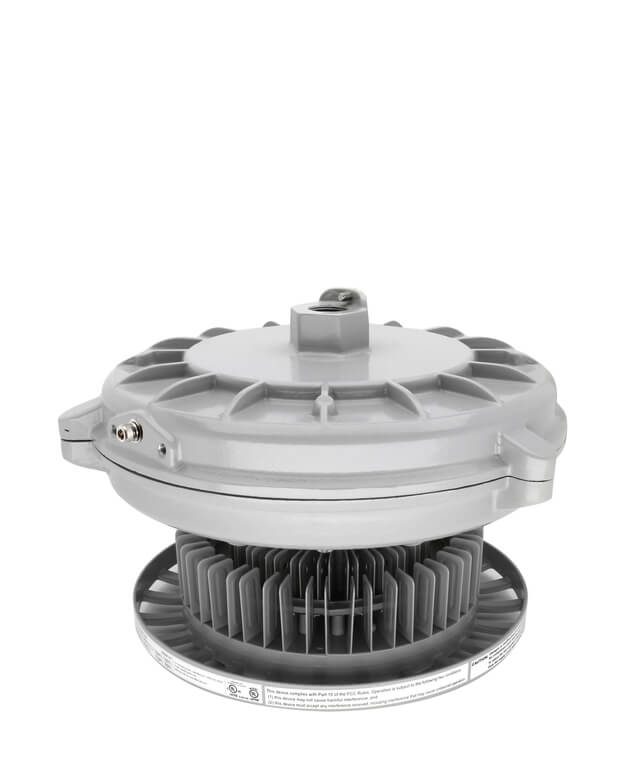
While this tariff isn’t the first, it’s by far the most extreme. Lighting manufacturers, many of whom still rely heavily on Chinese factories for components like LED chips, PCBs, housings, optics, and drivers, are now grappling with how to stay competitive.
At the same time, China retaliated with its own 125% tariff, making the standoff feel more like a long-term standoff than a short-term play. If you’re holding your head like other lighting companies, the numbers simply don’t add up anymore. And the worse part is, we don’t know if the tariff wars will end here. What if the prices increase further? Guess there’s no telling.
Alternatives? Not So Fast.
Naturally, all eyes are turning to alternative manufacturing hubs. Vietnam, India, Cambodia, Malaysia — all have shown potential in recent years. But the tariffs have spared no one. Vietnam, Cambodia, India, and Malaysia all have fairly high tariffs and do not look like better options.
Even Mexico — often seen as the next best bet due to USMCA compliance and proximity — poses challenges. The learning curve is steep. Labor and materials costs are much higher, but then again, establishing the scale and quality levels that China offers takes time most companies don’t have.
In theory, the diversification of sources may sound smart. But in practice, it’s a logistical, financial, and strategic mountain to climb, and not everyone is equipped for it.
“Made in America” Still Out of Reach
All the tariffs promised domestic reliance, but the reality is clear: the U.S. is not ready to mass-produce lighting components at competitive prices. If you’re looking for a robust, high-volume lighting supply chain, don’t. It simply doesn’t exist domestically.
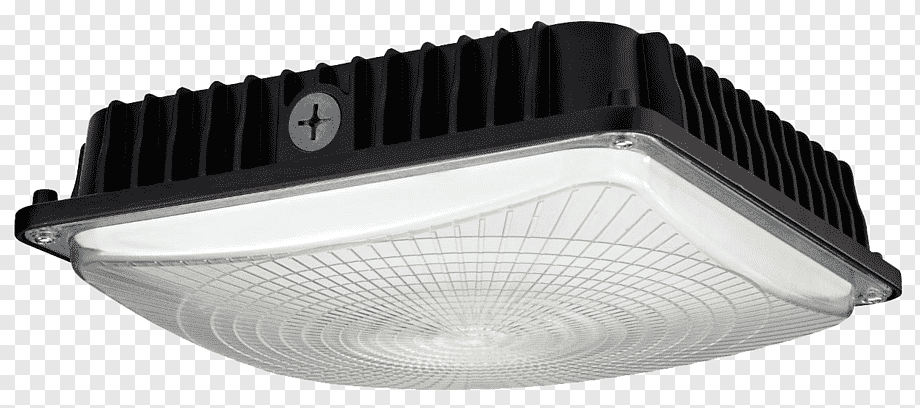
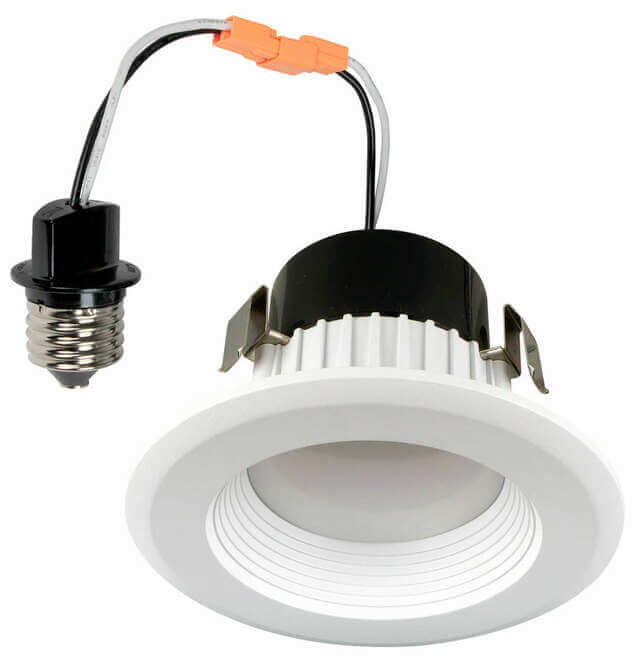
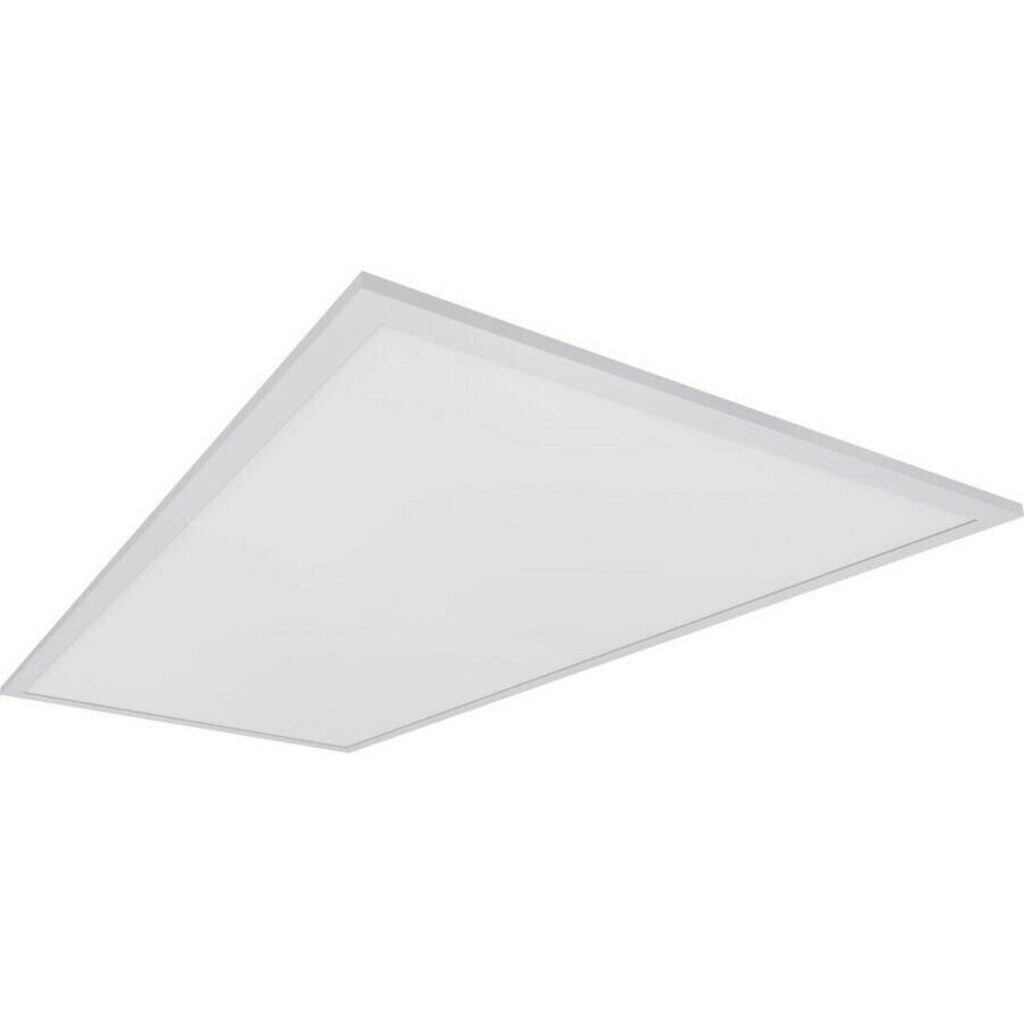
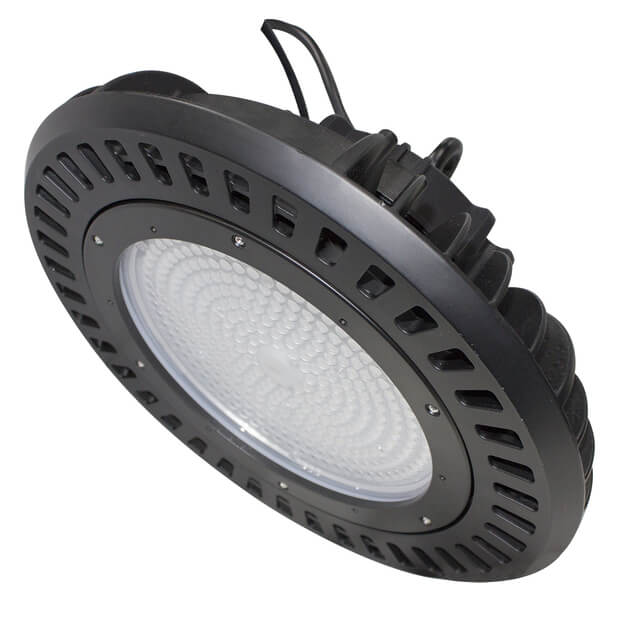
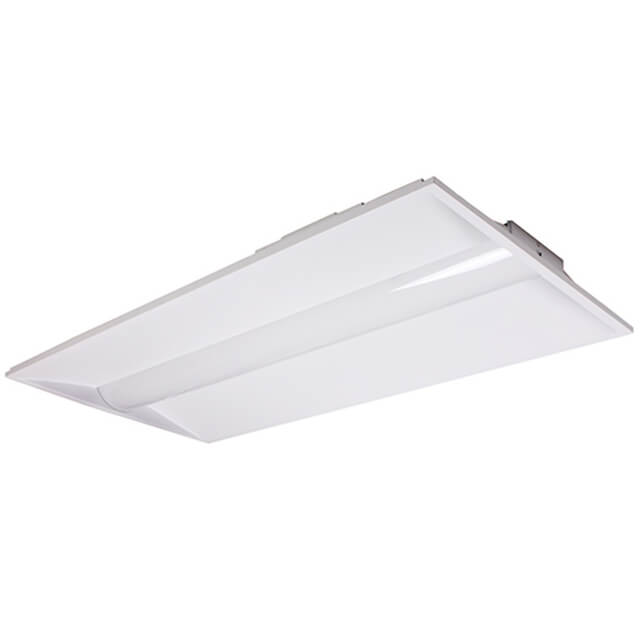
LED drivers that cost $3 in China would likely cost double or triple if built in the U.S. The same goes for $9 downlights, $19 panels, and $59 UFO high bays. It’s not just the parts — it’s everything: machines, molds, labor, expertise, and speed. You can’t just set these up overnight in Chattanooga or Cleveland.
Paralysis Across the Supply Chain
The lighting industry has been on the wrong side of the tariff wars. Here’s what we’ve seen so far.
- Distributors are delaying bulk purchases or racing to stockpile goods before prices climb further.
- Manufacturers are revising quotes weekly, unable to guarantee stable pricing.
- Developers and contractors are hitting pause on lighting-heavy projects, waiting for clarity.
- Importers are juggling margins and facing hard choices on how much of the cost to pass on to end customers.
It’s a strategic standstill. Everyone’s watching. Everyone’s waiting.
How Tariffs Will Impact Businesses of Different Sizes
For small and mid-sized lighting companies (SMEs), the 2025 tariff hike is more than a blow—it’s a potential existential threat. These cottage-sized businesses do not have deep pockets and or established global networks to pull them out of hot waters. They are mostly dependent on single-source suppliers in China. They operate on small margins and don’t even have the leverage to negotiate better shipping rates or extended payment terms.
Smaller firms thrive on cash flow, and this sudden doubling of import costs can demolish budgets overnight. These companies are now sitting on the fence about whether they should raise prices or absorb the raised costs. On one hand they loose customers and on the other they loose profits. Not a win-win situation.
With stretched-out resources, it is quite impossible to explore new sourcing hubs or even renegotiate manufacturing contracts.
Whereas, on the other end of the spectrum, industry giants are also feeling the sting—but not the same burn. These companies have stronger capital reserves, diversified vendor networks, and higher-volume buying power, which means they can absorb short-term cost spikes- but for how long?
That said, even for the giants, it’s not business as usual. Many are now fast-tracking efforts to build resilience:
- Establishing new supplier relationships in Mexico or Eastern Europe.
- Investing in domestic warehousing and partial assembly to qualify for lower tariffs.
- Lobbying for exemptions or trade relief.
The Gap Widens
Ultimately, the tariff war is deepening the divide between the “haves” and the “have-nots” in the lighting world. While larger players can adapt, smaller firms may be forced into consolidation, layoffs, or exit strategies altogether.
In short: it’s not just about who pays more—it’s about who can survive the hit.
What Comes Next in 2025?
The year started with optimism. Supply chains were recovering. Shipping costs were down, lead times were improving.
Then came February’s steel and aluminum tariffs. March brought threats of restrictions on Mexican and Canadian goods. And April? The 104% gut punch that forced the entire lighting ecosystem to rethink its playbook.
There’s no roadmap from here. Only questions:
- Will prices stabilize?
- Will tariffs climb higher?
- Is it worth investing in new manufacturing relationships, or waiting it out?
In Conclusion
As the U.S. continues to turn up the pressure on global trade, lighting companies find themselves in a perfect storm: rising costs, shrinking options, and no clear direction forward. The promise of diversified sourcing feels distant. Reshoring remains unrealistic. And the “new normal” is more uncertain than ever. If you have any questions or need an expert’s opinion to make sense of what is happening, get in touch with our experts at Lighting & Supplies.
Until policies settle — or companies find innovative ways to adapt — the industry remains stuck between rising tariffs and rising tension. And in the middle of it all, the real question remains: how much longer can the lights stay on?