












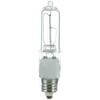
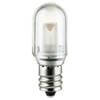
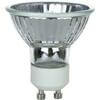
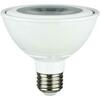
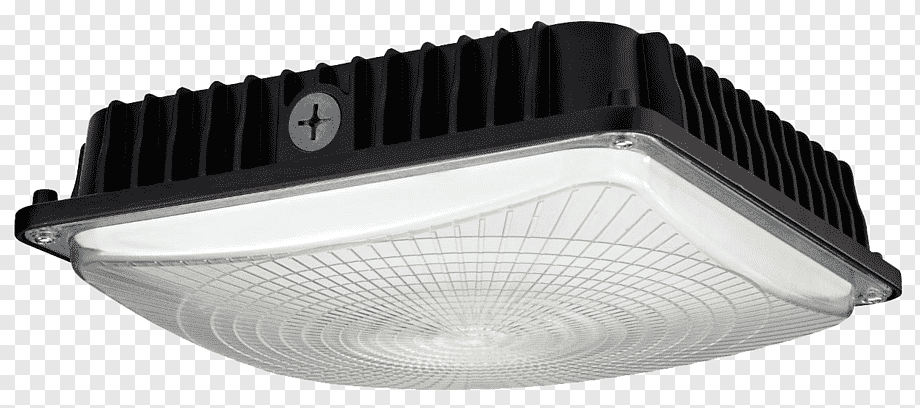
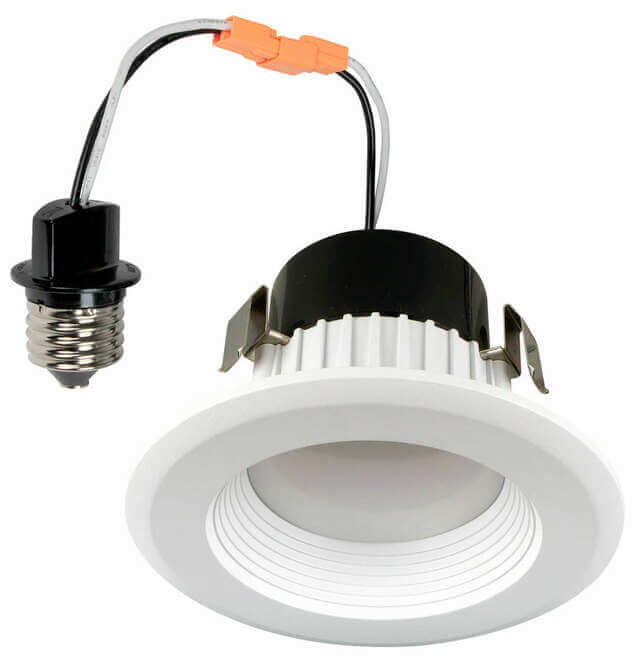
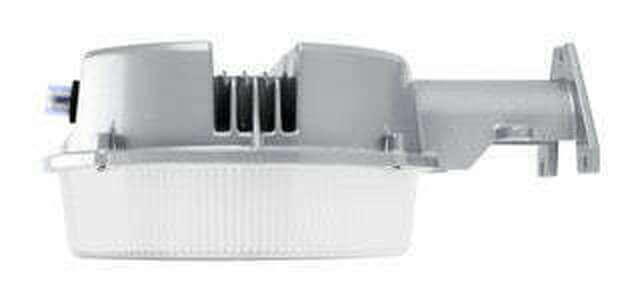
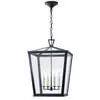
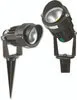
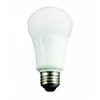
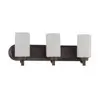
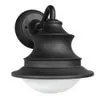
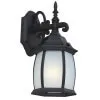


LED lights are solid-state lighting systems defined by efficiency, light quality, durability, control capability, and adaptability across residential, commercial, industrial, architectural, safety, and specialized environments. LED lights are categorized by application, fixture, installation method, mounting style, light direction, color, color rendering, beam angle, flicker performance, power, voltage, thermal management, materials, optics, diffuser type, protection rating, compliance standards, control systems, room use, ceiling height, and environmental conditions.
LED lighting performance depends on how illumination is generated, distributed, controlled, protected, and dissipated. Factors such as lumen output, efficacy, CRI accuracy, beam spread, glare control, flicker stability, heat dissipation, ingress protection, electrical regulation, and automation determine suitability for indoor comfort, outdoor exposure, industrial reliability, decorative impact, emergency safety, and industry-specific operational demands.
What Are LED Lights And Why Are They Popular?
LED lights are solid-state lighting devices that generate illumination through electroluminescence inside a semiconductor diode, and LED lights are popular in the United States due to energy efficiency above 100 lumens per watt, operational lifespans exceeding 25,000 hours, and average electricity consumption reductions of 75%.
According to United States Department of Energy research from the Building Technologies Office, LED lights reduce national lighting energy demand across residential, commercial, and industrial applications by combining high luminous efficacy, low heat generation, and long service life under United States electrical standards.
What Are The Main Types Of LED Lights?
The main types of LED lights are categorized by physical structure and functional application, and the primary LED lights types include bulb LED lights, tube LED lights, panel LED lights, strip LED lights, high bay LED lights, flood LED lights, and downlight LED lights used across residential, commercial, and industrial environments in the United States.
Bulb LED Lights
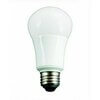
Bulb LED lights are omnidirectional LED lights used for general illumination in lamps and ceiling fixtures, and bulb LED lights reduce electricity consumption by approximately 75% while producing lumen outputs between 800 and 1600. Bulb LED lights in the United States primarily use E26 bases and operate within color temperature ranges from 2700K to 5000K for indoor lighting applications.
Tube LED Lights
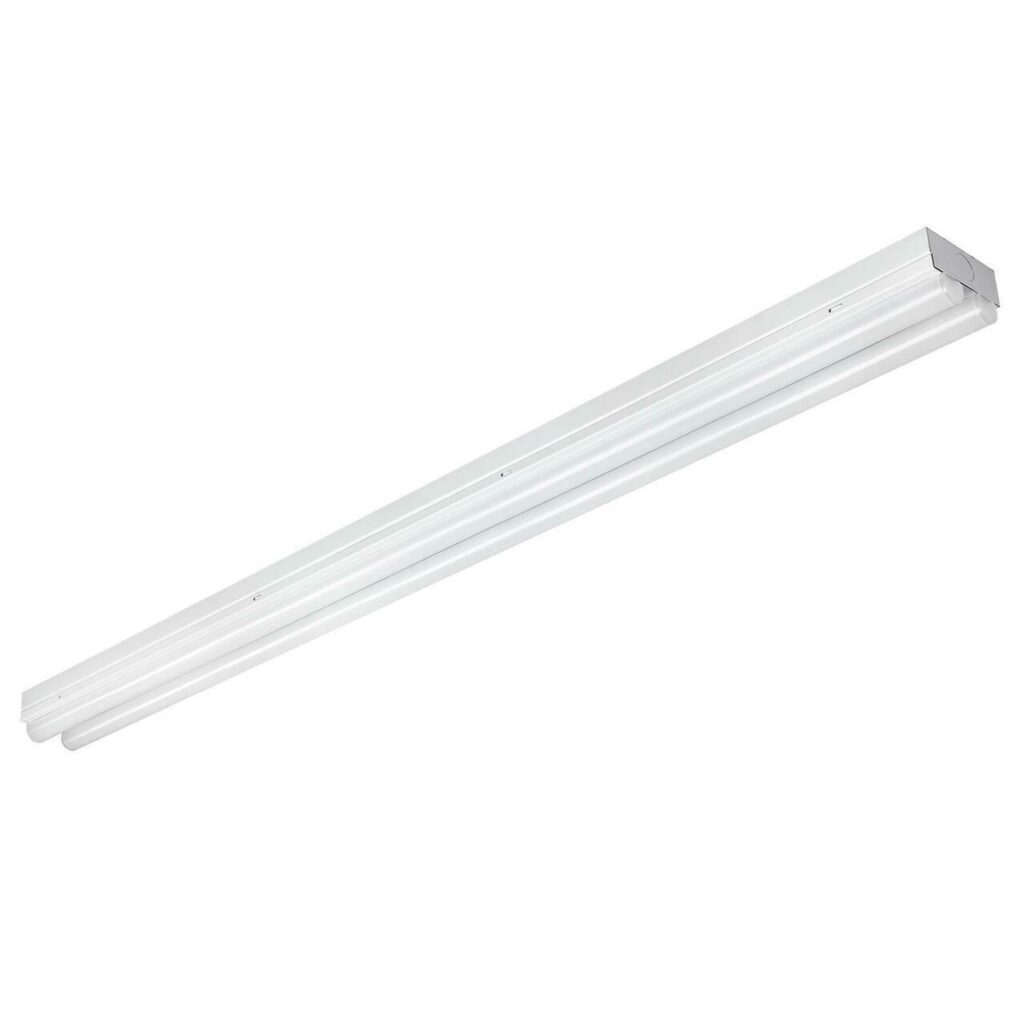
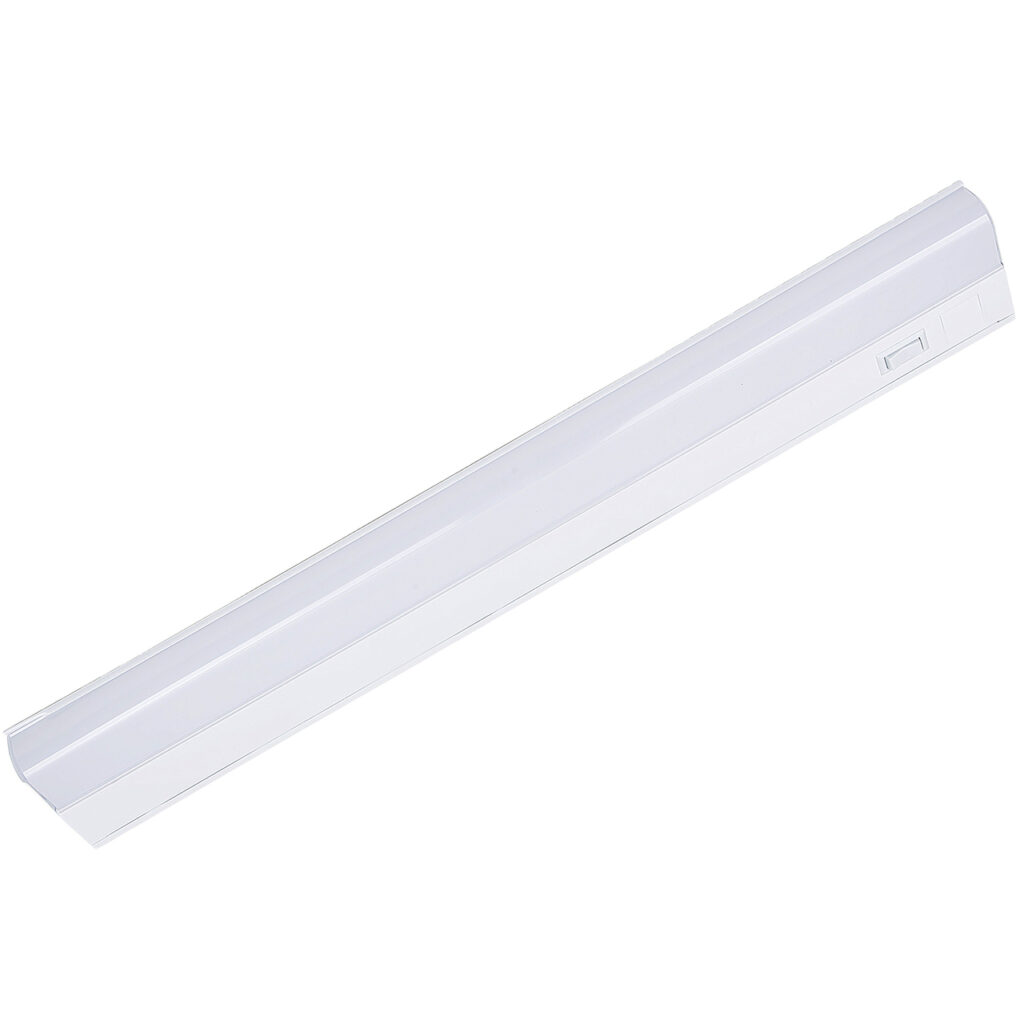
Tube LED lights are linear LED lights designed to replace fluorescent T8 and T12 lamps in commercial and institutional buildings, and tube LED lights deliver uniform illumination with lower power consumption. Tube LED lights commonly operate between 15 and 25 watts and support consistent light distribution across long ceiling installations.
Panel LED Lights
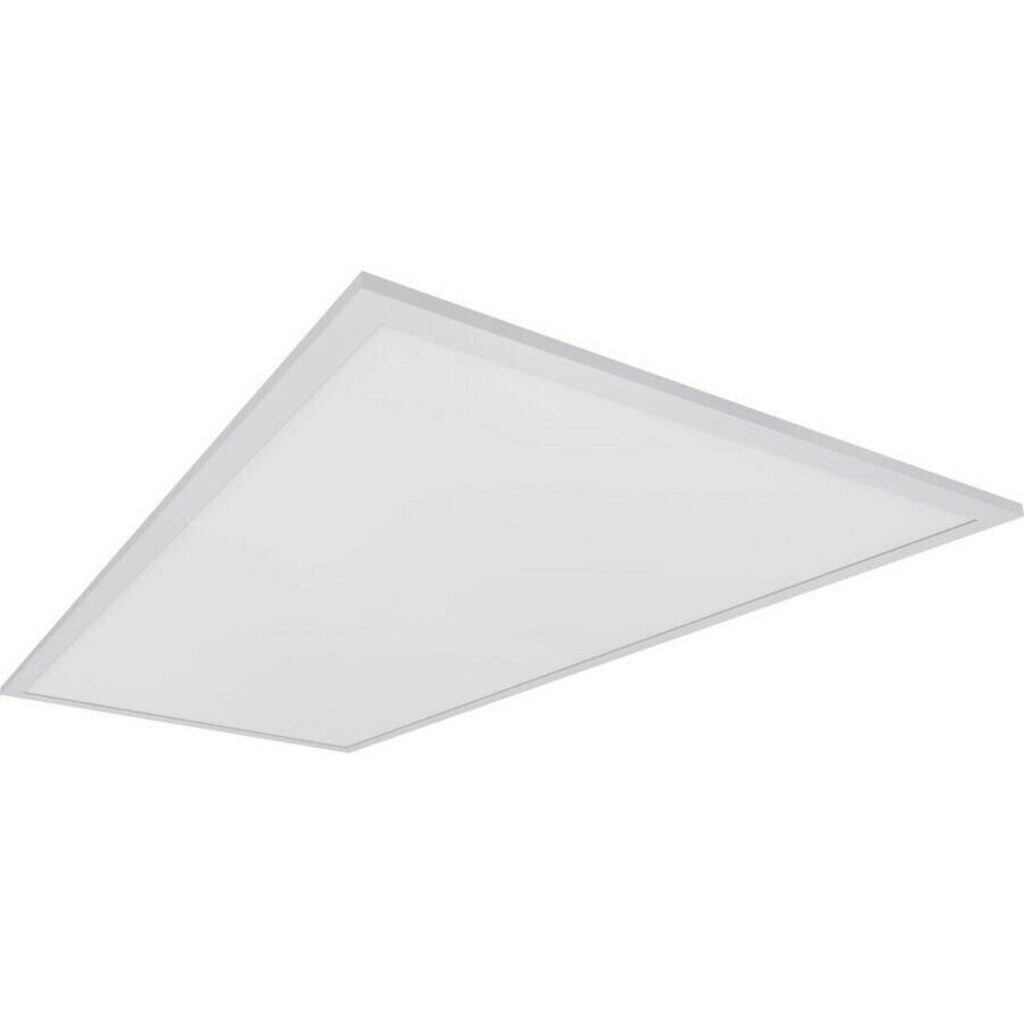
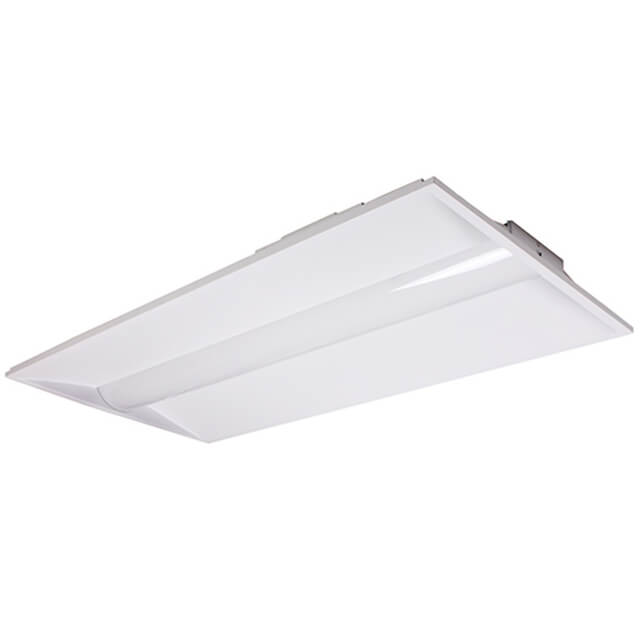
Panel LED lights are flat-profile LED lights installed in recessed or surface-mounted ceiling systems to provide evenly diffused illumination across large interior spaces. Panel LED lights are widely applied in offices and educational facilities due to uniform luminance and controlled glare performance.
Strip LED Lights
Strip LED lights are flexible LED lights mounted on narrow circuit boards for accent, task, and architectural lighting purposes. Strip LED lights support single-color, tunable white, and RGB formats and operate at power ratings ranging from 4 to 14 watts per meter.
High Bay LED Lights
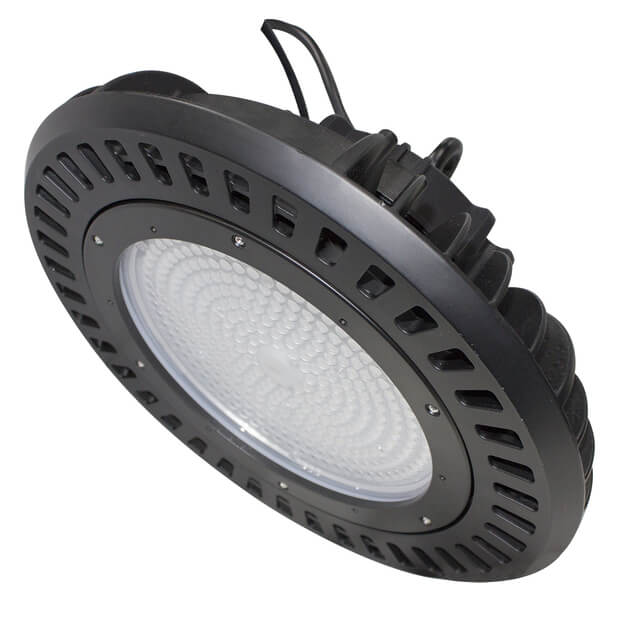
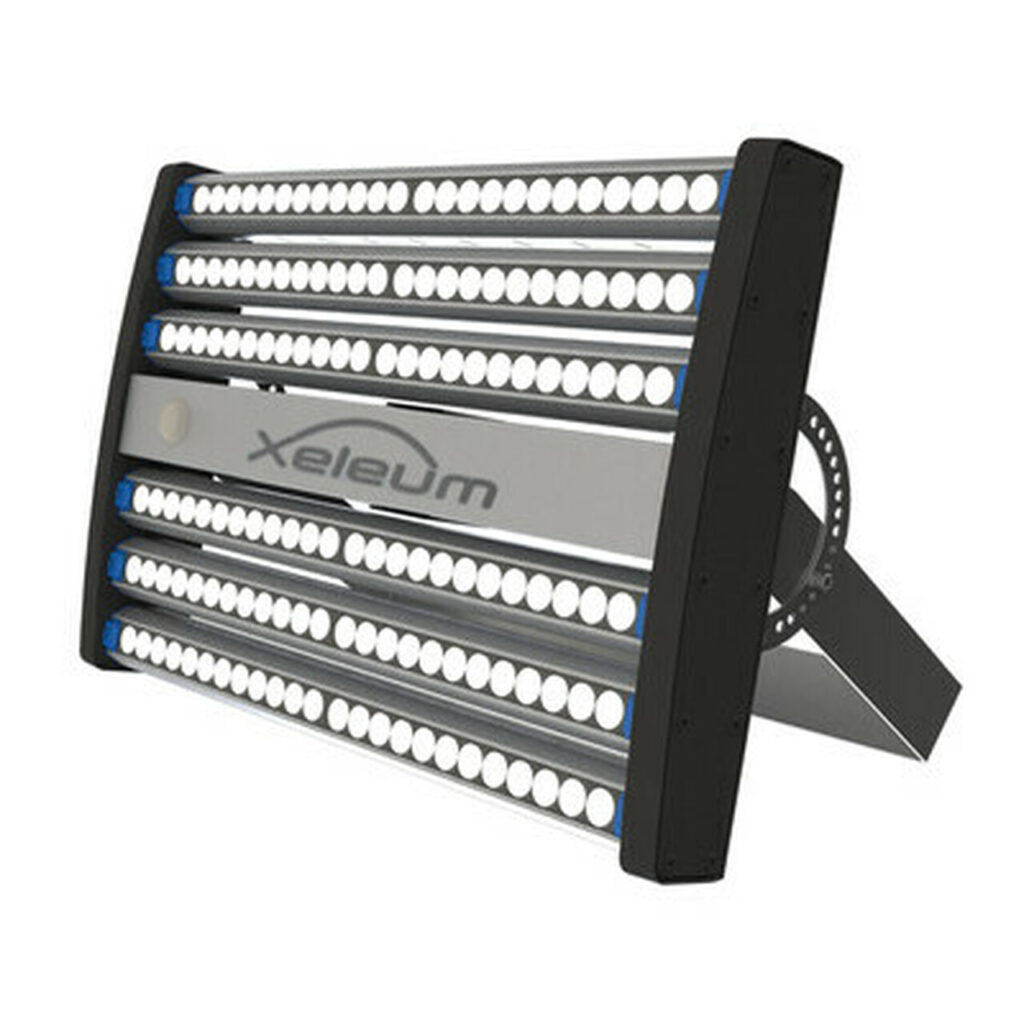
High bay LED lights are high-output LED lights designed for mounting heights above 20 feet in warehouses, factories, and logistics facilities. High bay LED lights commonly deliver lumen outputs between 15,000 and 40,000 to support large-area indoor illumination.
Flood LED Lights
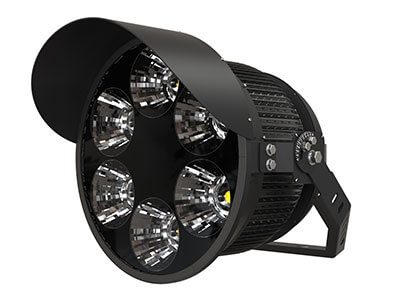
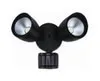
Flood LED lights are wide-beam LED lights used for outdoor area lighting, perimeter security, and landscape illumination. Flood LED lights typically feature beam angles exceeding 90 degrees and weather-resistant housings suitable for exterior environments.
Downlight LED Lights
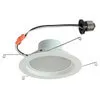
Downlight LED lights are recessed or surface-mounted LED lights that provide focused downward illumination for ceilings in residential and commercial interiors. Downlight LED lights generally operate within 8 to 20 watt ranges and maintain consistent color rendering for indoor lighting systems.
What Are The Types Of LED Lights By Application (Usage)?
The types of LED lights by application are classified by usage environment and lighting function, and application-based LED lights include residential, commercial, industrial, and outdoor categories supporting distinct illumination requirements across the United States.
Residential LED Lights
Residential LED lights support indoor living environments by providing ambient, task, decorative, and safety illumination while operating at low wattage levels compatible with household electrical systems. Residential usage emphasizes warm-to-neutral color temperatures, glare control, and energy efficiency for daily operation.
LED Bulbs
General illumination is delivered through omnidirectional light distribution producing 800–1600 lumens with electricity reductions near 75% compared to incandescent sources. Typical installations include lamps and ceiling fixtures using standard E26 sockets.
LED Tube Lights
Linear illumination supports garages, basements, and utility areas through uniform brightness and reduced wattage compared to fluorescent lighting. Power consumption commonly ranges between 10 and 20 watts.
LED Ceiling Lights
Central room illumination is achieved through surface-mounted fixtures that distribute light evenly while minimizing glare and shadowing. Diffused covers enhance visual comfort in bedrooms and shared spaces.
LED Panel Lights
Even light distribution is provided through flat-profile ceiling installations used in kitchens, hallways, and home offices. Low-profile construction supports modern interior layouts.
LED Downlights
Focused downward illumination supports task-oriented areas such as kitchens, bathrooms, and corridors. Typical operation occurs within 6–12 watt ranges.
LED Strip Lights
Accent and indirect illumination enhances cabinetry, shelving, and architectural features through flexible linear formats. Common power ratings range from 4 to 14 watts per meter.
LED Night Lights
Low-intensity illumination supports nighttime visibility and safety using power consumption below 1 watt. Bedrooms, hallways, and bathrooms represent typical placements.
LED Chandeliers
Decorative ambient lighting combines visual design with energy efficiency through multiple low-wattage light sources. Dining rooms and living areas represent primary installation zones.
Commercial LED Lights
Commercial LED lights serve offices, retail spaces, healthcare facilities, and educational buildings by delivering uniform illumination and supporting extended operating hours. Commercial environments prioritize consistency, glare reduction, and reliability.
LED Panel Lights
Workspace illumination is delivered through recessed ceiling systems that support visual comfort and uniform brightness. Lumen outputs commonly range between 3000 and 5000.
LED Troffer Lights
Grid ceiling illumination replaces fluorescent troffers with improved energy efficiency and balanced light distribution.
LED Downlights
Directional illumination supports corridors, lobbies, and retail areas through controlled beam patterns.
LED Track Lights
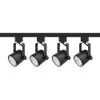
Adjustable lighting highlights merchandise, artwork, and architectural elements in retail and gallery settings.
LED Spotlights
Narrow-beam illumination emphasizes focal points and display areas using concentrated light output below 15 watts.
LED Emergency Lights
Backup illumination maintains visibility during power interruptions through integrated battery systems supporting evacuation safety.
Industrial LED Lights
Industrial LED lights address demanding operational environments by delivering high lumen output, durability, and consistent performance in warehouses and manufacturing facilities.
LED High Bay Lights
Large-area illumination is delivered from mounting heights above 20 feet with lumen outputs ranging from 15,000 to 40,000.
LED Low Bay Lights
Medium-height installations below 20 feet receive concentrated illumination optimized for operational efficiency.
LED Flood Lights
Wide-area coverage supports security and task lighting through broad beam angles in large facilities.
LED Linear Lights
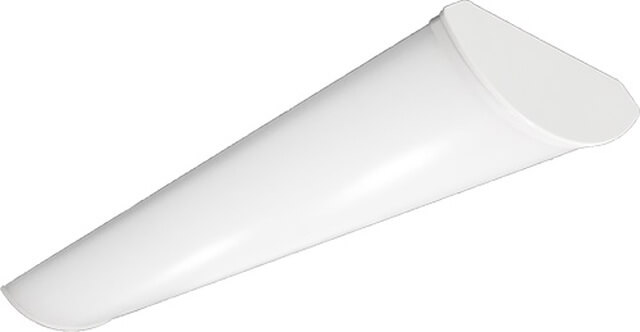
Continuous illumination layouts support production and assembly areas through elongated suspended fixtures.
LED Vapor Tight Lights
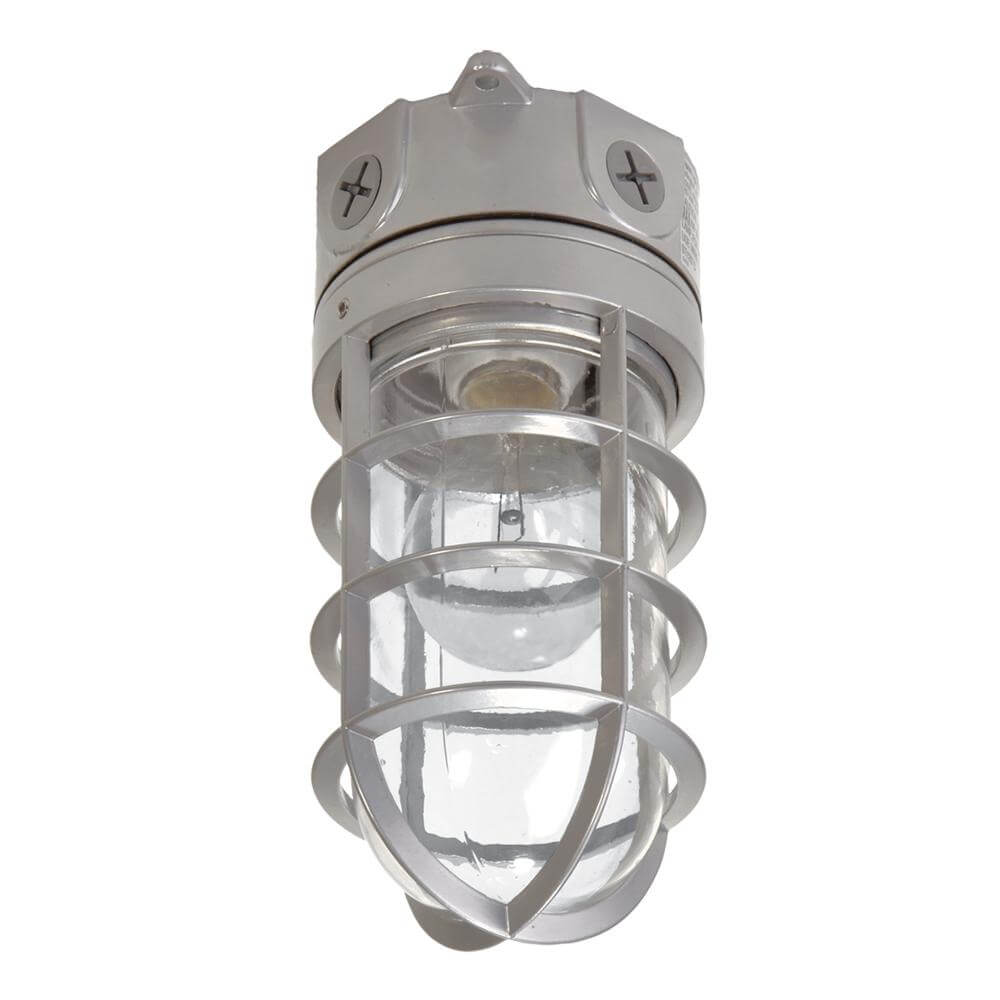
Sealed housings protect internal components from moisture, dust, and chemical exposure in harsh conditions.
Outdoor LED Lights
Outdoor LED lights support exterior visibility, security, and area coverage by operating under variable weather conditions with durable construction.
LED Street Lights
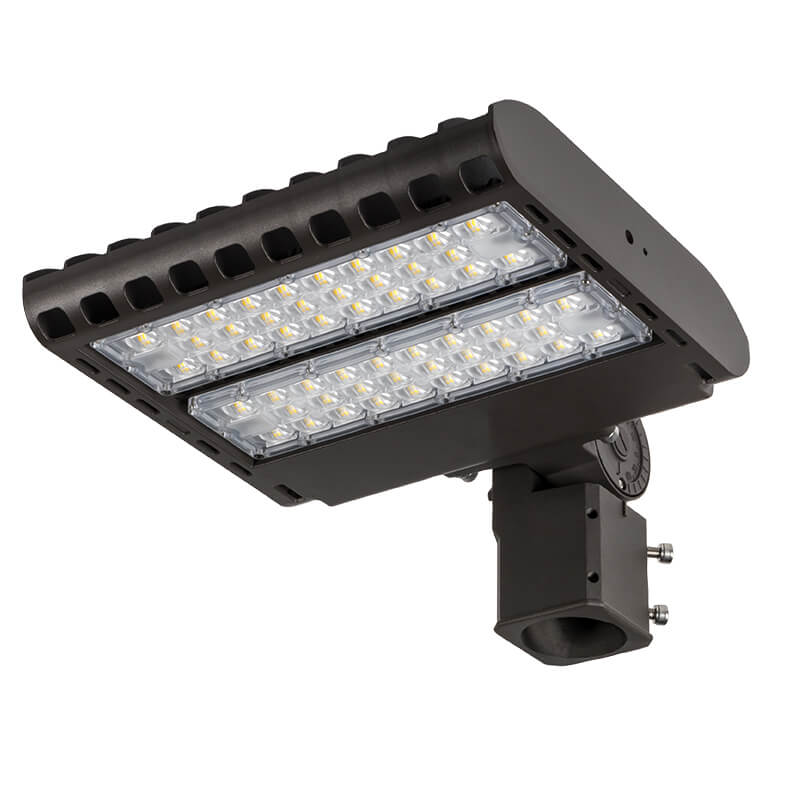
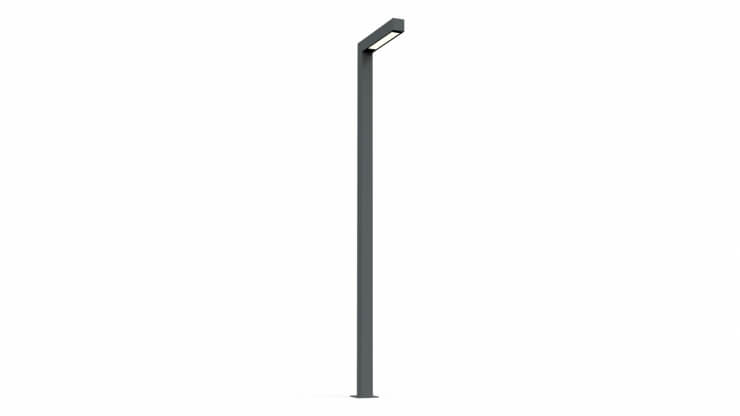
Roadways and parking areas receive high-output illumination supporting transportation and infrastructure visibility.
LED Flood Lights
Wide-beam exterior illumination supports security coverage and façade lighting for open spaces.
LED Wall Pack Lights
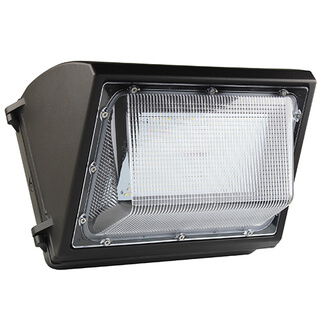
Building perimeters receive controlled illumination enhancing safety and entryway visibility.
LED Bollard Lights
Pathways and walkways benefit from ground-level illumination supporting pedestrian navigation.
LED Landscape Lights
Architectural and natural features are highlighted through focused low-wattage outdoor lighting.
LED Garden Lights
Decorative exterior illumination enhances residential outdoor spaces while maintaining durability and energy efficiency.
What Are The Types Of LED Lights By Fixture?
The types of LED lights by fixture are classified by mounting structure and installation geometry, and fixture-based LED lights include bulb, recessed, surface-mounted, suspended, track-mounted, panel, linear, high bay, wall-mounted, and portable formats used across residential, commercial, and industrial lighting systems.
Bulb
Bulb formats provide general illumination through replaceable light sources installed in standardized sockets for lamps and ceiling holders. Common applications include table lamps, floor lamps, and basic ceiling fixtures supporting omnidirectional light distribution and broad compatibility.
Recessed
Recessed formats integrate into ceiling cavities to deliver focused or ambient illumination with minimal visual obstruction. Typical environments include kitchens, bathrooms, corridors, and offices where clean ceiling lines and controlled beam angles are required.
Surface-Mounted
Surface-mounted formats attach directly to ceilings or walls to provide wide-area illumination without structural cutouts. Utility rooms, residential interiors, and commercial spaces apply this format when recessed installation is not feasible.
Suspended
Suspended format lights distribute illumination across open interiors through ceiling-hung installations using rods or cables. Offices, conference rooms, retail floors, and industrial workspaces use this format to achieve uniform light coverage over large areas.
Track-Mounted
Track-mounted formats deliver adjustable directional illumination through fixtures positioned along linear track systems. Retail displays, galleries, and exhibition spaces rely on this format for flexible alignment and accent lighting control.
Panel
Panel formats provide evenly diffused illumination through flat, integrated ceiling installations. Offices, educational facilities, and healthcare interiors adopt this format to maintain uniform brightness and reduced glare across work areas.
Linear
Linear formats support continuous illumination through elongated fixtures arranged in modular or uninterrupted layouts. Production areas, warehouses, and modern interiors use this format to ensure consistent light distribution along extended surfaces.
High Bay
High bay formats deliver high-output illumination from elevated mounting heights above 20 feet. Warehouses, manufacturing plants, and logistics facilities depend on this format to achieve broad-area visibility and operational efficiency.
Wall-Mounted
Wall-mounted formats provide perimeter, accent, and security illumination through vertical surface installation. Stairwells, corridors, façades, and entry points commonly use this format for directional and boundary lighting.
Portable
Portable formats offer movable illumination through self-contained lighting units without fixed installation. Desk lamps, work lights, and emergency lighting units fall within this category and support flexible placement.
What Are The Types Of LED Lights By Mounting Style?
The types of LED lights by mounting style are determined by installation position and surface integration, and mounting-based LED lights include recessed, surface-mounted, suspended, track-mounted, wall-mounted, pole-mounted, and portable formats that define light distribution, visibility, and spatial coverage.
Recessed
Recessed mounting integrates LED lights inside ceilings, walls, or floors to produce flush illumination with controlled beam direction and reduced visual clutter. This mounting style supports clean architectural layouts and precise light control in kitchens, bathrooms, corridors, and professional interiors.
Surface-Mounted
Surface-mounted installation secures LED lights directly onto ceilings or walls to deliver broad illumination without structural cutouts. This approach supports fast installation and consistent light spread in residential rooms, offices, and utility spaces.
Suspended
Suspended mounting positions LED lights below the ceiling plane using rods or cables to distribute illumination evenly across open areas. This format supports balanced light coverage over workstations, tables, and large interior zones.
Track-Mounted
Track-mounted installation allows adjustable positioning and directional control through fixtures aligned on linear tracks. This mounting style supports flexible lighting layouts and targeted illumination for displays, features, and defined zones.
Wall-Mounted
Wall-mounted installation places LED lights vertically to provide perimeter, accent, or directional illumination along surfaces. Common applications include corridors, stairwells, entry points, and exterior boundaries requiring controlled light projection.
Pole-Mounted
Pole-mounted installation elevates LED lights above ground level to achieve wide-area illumination coverage. This format supports visibility across open spaces by distributing light from higher mounting points.
Portable
Portable mounting enables LED lights to operate without fixed installation for temporary or movable illumination. This format supports task lighting, emergency use, and flexible placement across changing environments.
What Are The Types Of LED Lights By Light Direction?
The types of LED lights by light direction are defined by how illumination is emitted and distributed within a space, and direction-based LED lights include omnidirectional, directional, bi-directional, adjustable, asymmetric, and diffused formats that control light spread and visual focus.
Omnidirectional
Omnidirectional light direction distributes illumination evenly in all directions to provide uniform ambient lighting within a space. Common applications include general room lighting where broad coverage and balanced brightness are required across ceilings and surrounding areas.
Directional
Directional light direction concentrates illumination in a single targeted path to highlight specific surfaces or zones. Task lighting, accent lighting, and focused work areas rely on controlled beam projection to improve visibility and precision.
Bi-Directional
Bi-directional light direction emits illumination both upward and downward to balance ambient and functional lighting within an environment. Wall-mounted and suspended installations frequently apply this format to enhance spatial depth and visual comfort.
Adjustable
Adjustable light direction allows manual or mechanical control over beam orientation to reposition illumination as needed. Retail displays, galleries, and flexible interiors benefit from directional adaptability without altering fixture placement.
Asymmetric
Asymmetric light direction projects illumination unevenly to cover specific areas without wasting light outside the target zone. Pathways, wall washing, and perimeter lighting use asymmetric distribution to improve efficiency and reduce glare.
Diffused
Diffused light direction softens illumination by scattering light through lenses or covers to minimize harsh shadows and glare. Living spaces, offices, and hospitality interiors use diffused output to enhance visual comfort and uniformity.
What Are The Types Of LED Lights By Color?
The types of LED lights by color are classified by emitted light appearance and spectral composition, and color-based LED lights include warm white, neutral white, cool white, daylight white, RGB, RGBW, and tunable white formats that influence visual comfort, task performance, and environmental perception.
Warm White
Warm white color emits yellow-toned illumination between 2700K and 3000K that supports relaxed visual environments and reduced eye strain. Residential interiors, hospitality spaces, and dining areas apply warm white color to replicate incandescent lighting characteristics and enhance comfort-oriented settings.
Neutral White
Neutral white color delivers balanced illumination within the 3500K to 4100K range that maintains visual clarity without warm or cool dominance. Kitchens, offices, and mixed-use interiors apply neutral white color to support general visibility and accurate surface perception.
Cool White
Cool white color produces bluish-white illumination between 5000K and 6000K that enhances contrast, alertness, and detail recognition. Commercial interiors, retail spaces, and task-focused environments apply cool white color to improve visual sharpness and productivity.
Daylight White
Daylight white color simulates natural daylight with color temperatures above 6000K to support precision-oriented visual tasks. Workshops, inspection zones, and technical environments apply daylight white color to maximize clarity and color differentiation.
RGB
RGB color enables dynamic color generation through red, green, and blue light mixing to create multiple hues and visual effects. Decorative lighting, entertainment environments, and architectural accents apply RGB color for customizable atmospheres and visual engagement.
RGBW
RGBW color combines red, green, blue, and dedicated white light output to improve brightness accuracy and color fidelity. Multi-purpose environments apply RGBW color to support both functional white illumination and decorative color variation.
Tunable White
Tunable white color allows adjustable color temperature across a defined range to align illumination with time-based or activity-based lighting needs. Adaptive interiors, professional workspaces, and health-focused environments apply tunable white color to support dynamic lighting control strategies.
What Are The Types Of LED Lights By Technology?
The types of LED lights by technology are classified by semiconductor design, light generation method, and control capability, and technology-based LED lights include standard LED, SMD LED, COB LED, OLED, smart LED, and micro LED formats that define efficiency, brightness, and application scope.
Standard LED
Standard LED technology uses single-diode light sources mounted on a basic circuit to provide low-power illumination for indicator and small-scale lighting applications. This technology supports simple lighting functions with limited brightness and narrow beam control.
SMD LED
SMD LED technology integrates surface-mounted diodes directly onto circuit boards to deliver higher brightness, improved heat dissipation, and compact form factors. General lighting, residential fixtures, and commercial luminaires frequently apply this technology due to efficiency and scalability.
COB LED
COB LED technology combines multiple diodes into a single lighting module to produce high-intensity, uniform illumination from a concentrated light source. High-output applications such as downlights, spotlights, and high bay systems benefit from reduced glare and improved lumen density.
OLED
OLED technology generates light across an organic surface layer to create soft, diffuse illumination without visible point sources. Decorative lighting, architectural panels, and design-focused environments apply this technology for thin profiles and uniform surface glow.
Smart LED
Smart LED technology integrates digital control systems to enable wireless dimming, color adjustment, scheduling, and automation. Connected environments apply this technology to support adaptive lighting control and energy management.
Micro LED
Micro LED technology uses microscopic semiconductor elements to deliver extremely high brightness, color accuracy, and durability. Advanced display systems and emerging architectural lighting solutions apply this technology for precision-driven illumination.
What Are The Types Of LED Lights By Smart Features?
The types of LED lights by smart features are defined by connectivity, automation capability, and control intelligence, and smart-feature LED lights include app-controlled, voice-controlled, sensor-enabled, dimmable, color-changing, scheduling-enabled, and adaptive lighting formats that enhance usability and energy management.
App-Controlled
App-controlled smart LED lights enable lighting control through mobile applications that manage power state, brightness levels, color selection, and predefined scenes. Centralized dashboards support room grouping, zone control, and real-time adjustment for residential and commercial environments.
Voice-Controlled
Voice-controlled smart LED lights respond to spoken commands through integrated virtual assistant ecosystems to manage on, off, dimming, and color functions. Hands-free operation supports accessibility, convenience, and multi-room lighting coordination.
Sensor-Enabled
Sensor-enabled smart LED lights activate or adjust output based on motion, occupancy, or ambient light detection. Automated response supports energy reduction and safety lighting in corridors, restrooms, stairwells, and storage areas.
Dimmable Smart Lighting
Dimmable smart LED lights allow precise brightness adjustment through digital interfaces rather than physical switches. Smooth dimming control supports visual comfort, task variation, and energy optimization without flicker or step loss.
Color-Changing Smart Lighting
Color-changing smart LED lights provide adjustable color output using RGB or RGBW technology to support mood setting and visual customization. Scene presets enable rapid transitions between functional and decorative lighting states.
Scheduling-Enabled
Scheduling-enabled smart LED lights operate based on programmed time sequences to automate daily lighting routines. Time-based control supports consistent illumination patterns and reduced manual intervention.
Adaptive Lighting
Adaptive smart LED lights dynamically adjust brightness and color temperature based on time, activity, or environmental input. Responsive lighting systems support productivity, comfort, and circadian-aligned illumination strategies.
What Are The Types Of LED Lights By Power, Output And Efficiency?
The types of LED lights by power, output, and efficiency are classified by wattage consumption, lumen production, and luminous efficacy, and power-based LED lights include low-power, medium-power, high-power, and high-efficiency categories that define brightness performance and energy usage.
Low-Power LED Lights
Low-power LED lights operate below 10 watts and deliver lumen outputs typically under 800 lumens for low-intensity illumination. Accent lighting, night lighting, decorative fixtures, and pathway illumination commonly apply this category where minimal brightness and reduced energy draw are required.
Medium-Power LED Lights
Medium-power LED lights operate between 10 and 25 watts and produce lumen outputs ranging from 800 to 3,000 lumens for general-purpose illumination. Residential rooms, offices, corridors, and retail interiors apply this category to balance brightness, efficiency, and visual comfort.
High-Power LED Lights
High-power LED lights operate above 25 watts and generate lumen outputs exceeding 3,000 lumens for high-intensity illumination. Warehouses, industrial facilities, outdoor areas, and high-ceiling interiors apply this category to achieve wide-area light coverage.
High-Efficiency LED Lights
High-efficiency LED lights achieve luminous efficacy levels above 100 lumens per watt by optimizing semiconductor design and thermal management. Energy-focused lighting systems apply this category to reduce electricity consumption while maintaining high brightness output.
Ultra-High-Efficiency LED Lights
Ultra-high-efficiency LED lights exceed 130 lumens per watt and deliver maximum light output per unit of energy consumed. Large-scale commercial, industrial, and infrastructure lighting installations apply this category to minimize operating costs and energy demand.
Low-Output LED Lights
Low-output LED lights provide soft illumination below 500 lumens for visual comfort and guidance lighting. Applications include night lights, ambient accent lighting, and decorative installations.
High-Output LED Lights
High-output LED lights deliver illumination above 5,000 lumens to support visibility across large or high-mounting environments. Production floors, logistics areas, and exterior spaces rely on this category for functional brightness and operational safety.
What Are The Types Of LED Lights By Protection And Rating?
The types of LED lights by protection and rating are classified by resistance to dust, water, impact, and environmental exposure, and protection-rated LED lights include IP-rated, IK-rated, damp-rated, wet-rated, vapor-tight, and explosion-proof categories that define operational safety and durability.
IP-Rated LED Lights
IP-rated LED lights are classified using Ingress Protection codes that specify resistance to solid particles and water penetration. Common ratings such as IP20, IP44, IP65, and IP67 indicate suitability for indoor dry areas, damp environments, outdoor exposure, and temporary water immersion.
Damp-Rated LED Lights
Damp-rated LED lights are designed for environments exposed to moisture without direct water contact. Bathrooms, covered patios, basements, and utility rooms apply this rating to prevent condensation-related performance degradation.
Wet-Rated LED Lights
Wet-rated LED lights are engineered to withstand direct water exposure from rain, splashing, or washdown conditions. Outdoor ceilings, uncovered exterior areas, car washes, and marine-adjacent installations commonly require this rating.
Vapor-Tight LED Lights
Vapor-tight LED lights feature sealed housings that prevent moisture, dust, and airborne contaminants from entering internal components. Industrial facilities, parking garages, food processing areas, and cold storage environments rely on vapor-tight construction for long-term reliability.
IK-Rated LED Lights
IK-rated LED lights are classified by impact resistance levels that measure protection against mechanical damage. Public spaces, warehouses, transit areas, and vandal-prone environments apply higher IK ratings to ensure fixture durability.
Explosion-Proof LED Lights
Explosion-proof LED lights are constructed to contain internal sparks and heat within sealed enclosures for hazardous locations. Chemical plants, refineries, grain handling facilities, and volatile gas environments require this protection category for operational safety.
Corrosion-Resistant LED Lights
Corrosion-resistant LED lights use specialized coatings and materials to withstand chemical exposure and corrosive atmospheres. Coastal locations, industrial plants, and wastewater facilities apply this category to prevent material degradation.
What Are The Types Of LED Lights By Size And Dimensions?
The types of LED lights by size and dimensions are classified by physical footprint, length, thickness, and housing scale, and size-based LED lights include miniature, standard, slim-profile, linear-length, panel-format, and large-format categories that determine spatial compatibility and light coverage.
Miniature
Miniature formats use compact dimensions to deliver localized illumination in space-restricted environments. Indicator lighting, night lighting, decorative accents, and embedded electronic applications apply small footprints to achieve visibility without occupying functional space.
Standard
Standard formats follow commonly accepted dimensional specifications to ensure compatibility with general lighting fixtures. Household lamps, ceiling fixtures, and wall installations rely on standard sizing to support straightforward replacement and uniform installation.
Slim-Profile
Slim-profile formats minimize fixture depth to support low-clearance ceilings and modern architectural designs. Under-cabinet lighting, recessed installations, and contemporary interiors apply thin housings to maintain clean visual lines.
Linear-Length
Linear-length formats extend illumination across elongated housings measured in consistent length increments. Corridors, shelving systems, workbenches, and industrial layouts apply elongated dimensions to provide continuous and uniform light distribution.
Panel-Format
Panel-format dimensions use flat, wide surfaces to deliver evenly diffused illumination across large areas. Modular ceiling systems and surface-mounted installations apply panel sizing to maintain balanced brightness and glare reduction.
Large-Format
Large-format dimensions support high-output illumination through increased housing size and surface area. High-ceiling interiors, warehouses, outdoor areas, and infrastructure lighting apply larger dimensions to accommodate thermal management and elevated lumen output.
What Are The Types Of LED Lights By Shape?
The types of LED lights by shape are classified by physical form and light-emitting geometry, and shape-based LED lights include bulb-shaped, tube-shaped, panel-shaped, strip-shaped, linear-shaped, spotlight-shaped, flood-shaped, and decorative-shaped formats that influence light spread and installation compatibility.
Bulb-Shaped
Bulb-shaped LED lights use rounded or pear-style forms designed to distribute light evenly in multiple directions. General room lighting, table lamps, floor lamps, and ceiling fixtures apply this shape to achieve uniform ambient illumination.
Tube-Shaped
Tube-shaped LED lights use elongated cylindrical forms to provide linear and evenly distributed illumination. Offices, garages, corridors, and commercial interiors apply this shape to replace traditional fluorescent lighting layouts.
Panel-Shaped
Panel-shaped LED lights use flat, wide surfaces to deliver diffused illumination across large areas. Ceiling grids, surface-mounted systems, and professional interiors apply this shape to maintain uniform brightness and reduced glare.
Strip-Shaped
Strip-shaped LED lights use narrow, flexible linear forms to deliver continuous accent or task illumination. Under-cabinet lighting, cove lighting, shelving, and architectural detailing apply this shape for indirect and decorative effects.
Linear-Shaped
Linear-shaped LED lights use rigid elongated housings to provide uninterrupted light output along defined paths. Workspaces, industrial interiors, and modern architectural designs apply this shape to support consistent illumination across extended surfaces.
Spotlight-Shaped
Spotlight-shaped LED lights use compact, focused forms to project narrow beams for targeted illumination. Display lighting, accent lighting, and task-focused environments apply this shape to highlight specific objects or areas.
Flood-Shaped
Flood-shaped LED lights use wide-face housings to project broad beam angles for large-area illumination. Outdoor spaces, security zones, and open interiors apply this shape to maximize coverage and visibility.
Decorative-Shaped
Decorative-shaped LED lights use stylized forms designed to combine illumination with visual aesthetics. Chandeliers, feature fixtures, and ornamental lighting installations apply this shape to enhance interior and exterior design themes.
What Are The Types Of LED Lights By Voltage And Power Supply?
The types of LED lights by voltage and power supply are classified by operating voltage level and power input method, and voltage-based LED lights include low-voltage DC, line-voltage AC, constant current, constant voltage, battery-powered, and solar-powered formats that define safety, efficiency, and installation requirements.
Low-Voltage LED Lights
Low-voltage LED lights operate on reduced voltage levels such as 12V or 24V DC to improve safety and control precision. Landscape lighting, accent lighting, strip lighting, and automotive applications commonly apply low-voltage operation to minimize electrical risk and support flexible installation.
Line-Voltage LED Lights
Line-voltage LED lights operate directly on standard mains power without external transformers. Ceiling fixtures, bulbs, panels, and commercial luminaires use direct AC input to simplify wiring and reduce system complexity in fixed installations.
Constant Current LED Lights
Constant current LED lights require regulated current flow to maintain stable light output and prevent diode damage. High-power lighting systems, downlights, and industrial luminaires apply this supply method to ensure consistent brightness and thermal stability.
Constant Voltage LED Lights
Constant voltage LED lights operate at a fixed voltage level while allowing variable current draw based on load length. LED strip lighting and modular systems use this method to support scalable layouts and uniform illumination across extended runs.
Battery-Powered LED Lights
Battery-powered LED lights rely on internal or replaceable batteries to deliver illumination without wired power connections. Emergency lighting, portable lamps, and temporary installations apply battery supply to maintain operation during power loss or remote use.
Solar-Powered LED Lights
Solar-powered LED lights convert stored solar energy into electrical power through integrated photovoltaic panels and batteries. Outdoor pathway lighting, garden lighting, and security lighting apply solar supply to reduce grid dependence and support autonomous operation.
What Are The Types Of LED Lights By Material?
The types of LED lights by material are classified by housing composition and structural construction, and material-based LED lights include aluminum, plastic, glass, stainless steel, polycarbonate, ceramic, and composite formats that influence heat dissipation, durability, and application suitability.
Aluminum
Aluminum housings support efficient heat dissipation and structural durability for high-performance lighting applications. Commercial, industrial, and high-output installations apply aluminum construction to maintain thermal stability and extended operating life.
Plastic
Plastic housings provide lightweight construction and electrical insulation for low-to-medium power lighting applications. Residential fixtures, decorative lighting, and portable lamps apply plastic materials to reduce weight and manufacturing cost.
Glass
Glass components support light diffusion and optical clarity while enhancing aesthetic appearance. Decorative fixtures, bulbs, and architectural lighting apply glass materials to improve visual quality and light transmission.
Stainless Steel
Stainless steel housings deliver corrosion resistance and mechanical strength in demanding environments. Outdoor installations, industrial facilities, and marine-adjacent areas apply stainless steel materials to withstand moisture and environmental exposure.
Polycarbonate
Polycarbonate materials provide high impact resistance and optical durability for protective lighting enclosures. Public spaces, industrial areas, and vandal-prone environments apply polycarbonate construction to prevent breakage and maintain light output.
Ceramic
Ceramic materials support high-temperature tolerance and electrical insulation for specialized lighting components. High-power LED modules and thermal management systems apply ceramic elements to maintain stability under elevated operating conditions.
Composite
Composite materials combine multiple substances to balance strength, thermal performance, and weight. Advanced lighting systems apply composite construction to optimize performance across varied operating conditions.
What Are The Types Of LED Lights By Lens And Optics?
The types of LED lights by lens and optics are classified by light-shaping method and optical control function, and lens-based LED lights include clear lens, frosted lens, diffused lens, focused optic, wide-angle optic, narrow-beam optic, and asymmetric optic formats that define beam spread, glare control, and visual precision.
Clear Lens
Clear lens optics transmit light with minimal diffusion to maximize brightness and beam intensity. Applications requiring high lumen efficiency and sharp light projection use clear optics to preserve directional output.
Frosted Lens
Frosted lens optics soften light output by partially diffusing illumination to reduce glare and visual harshness. Indoor environments apply frosted surfaces to balance brightness with visual comfort.
Diffused Lens
Diffused lens optics scatter light evenly to create uniform illumination with reduced shadowing. Workspaces, living areas, and hospitality interiors use diffused optics to enhance comfort and spatial consistency.
Focused Optic
Focused optics concentrate light into a controlled beam to enhance precision and intensity on targeted areas. Accent lighting, task lighting, and display illumination rely on focused optical control.
Wide-Angle Optic
Wide-angle optics distribute light across broad beam spreads exceeding 90 degrees for area coverage. General lighting and open-space illumination apply wide-angle optics to maximize coverage efficiency.
Narrow-Beam Optic
Narrow-beam optics restrict light output to tight beam angles for high-intensity directional illumination. Spot lighting and highlighting applications use narrow optics to achieve concentrated brightness.
Asymmetric Optic
Asymmetric optics direct light unevenly to illuminate specific zones while minimizing spill and glare. Pathway lighting, wall washing, and perimeter illumination apply asymmetric designs for targeted coverage.
What Are The Types Of LED Lights By Finish?
The types of LED lights by finish are classified by exterior surface treatment and visual appearance, and finish-based LED lights include matte, glossy, satin, brushed, polished, powder-coated, anodized, and textured finishes that influence aesthetics, glare behavior, and environmental suitability.
Matte
Matte finish produces a non-reflective surface that reduces glare and visible fingerprints while delivering a subtle visual appearance. Interior residential and commercial environments apply matte surfaces to maintain visual softness and minimize light reflection artifacts.
Glossy
Glossy finish creates a smooth, reflective surface that enhances brightness perception and visual prominence. Decorative fixtures and feature lighting installations apply glossy finishes to emphasize form and reflective aesthetics.
Satin
Satin finish delivers a soft sheen between matte and glossy surfaces to balance visual elegance and glare control. Architectural interiors apply satin textures to maintain refined appearance without excessive reflection.
Brushed
Brushed finish introduces fine linear texture to reduce surface reflections while adding a modern industrial aesthetic. Commercial interiors and contemporary lighting designs apply brushed surfaces to combine durability with visual character.
Polished
Polished finish provides a highly reflective surface that enhances visual clarity and decorative impact. Accent lighting, chandeliers, and statement fixtures apply polished treatments to highlight design elements.
Powder-Coated
Powder-coated finish applies a durable protective layer that resists corrosion, chipping, and environmental wear. Outdoor lighting and industrial environments apply powder coating to extend surface longevity and color stability.
Anodized
Anodized finish enhances surface hardness and corrosion resistance through electrochemical treatment. Aluminum-based lighting systems apply anodized surfaces to support durability and consistent appearance.
Textured
Textured finish introduces patterned surface variation to improve grip, hide wear, and diffuse reflections. Industrial and outdoor lighting applications apply textured finishes to enhance practicality and visual resilience.
What Are The Types Of LED Lights By Diffuser Type?
The types of LED lights by diffuser type are classified by light-scattering method and glare control function, and diffuser-based LED lights include clear, frosted, opal, prismatic, micro-lens, anti-glare, and reflector-assisted diffusers that shape brightness, uniformity, and visual comfort.
Clear
Clear diffusers transmit light with minimal scattering to preserve maximum brightness and beam intensity. Applications requiring high lumen efficiency and defined light projection use this diffuser type to maintain directional output.
Frosted
Frosted diffusers partially scatter light to soften brightness and reduce direct glare while maintaining good light transmission. Interior general lighting applies frosted surfaces to balance visibility and comfort.
Opal
Opal diffusers evenly distribute light across the surface to create uniform illumination with low glare. Offices, panels, and ceiling fixtures apply opal materials to support visual comfort and consistent luminance.
Prismatic
Prismatic diffusers use patterned surfaces to redirect light and reduce glare through optical refraction. Commercial ceilings and workspaces apply prismatic designs to control brightness and minimize visual fatigue.
Micro-Lens
Micro-lens diffusers use precision optical structures to guide and shape light distribution efficiently. High-performance lighting systems apply micro-lens technology to improve uniformity while maintaining efficiency.
Anti-Glare
Anti-glare diffusers reduce high-angle light output to limit visual discomfort and direct eye exposure. Professional environments apply this diffuser type to support screen-based tasks and controlled lighting conditions.
Reflector-Assisted
Reflector-assisted diffusers combine reflective surfaces with diffusion layers to enhance light direction and efficiency. Industrial and commercial luminaires apply this configuration to optimize beam control and lumen delivery.
What Are The Types Of LED Lights By CRI And Color Rendering?
The types of LED lights by CRI and color rendering are classified by color accuracy performance, and CRI-based LED lights include standard CRI, high CRI, full-spectrum, and application-optimized categories that determine how accurately colors appear under artificial illumination.
Standard CRI (CRI 80–85)
Standard CRI lighting provides acceptable color accuracy for general illumination where precise color differentiation is not critical. Residential rooms, corridors, warehouses, and outdoor areas commonly apply this range to balance efficiency and visual clarity.
High CRI (CRI 90–95)
High CRI lighting delivers improved color accuracy by rendering colors closer to natural appearance. Retail spaces, kitchens, studios, and healthcare environments apply higher CRI levels to enhance material recognition and visual detail.
Full-Spectrum CRI (CRI 95+)
Full-spectrum lighting reproduces color appearance with near-daylight accuracy across the visible spectrum. Art studios, photography environments, medical examination areas, and color-critical workspaces apply this category to ensure precise color perception.
Application-Optimized CRI
Application-optimized CRI lighting targets specific color ranges to enhance visibility for defined tasks. Food display lighting emphasizes reds and greens, while industrial inspection lighting enhances contrast for surface evaluation.
Low CRI (Below 80)
Low CRI lighting prioritizes energy efficiency and brightness over color accuracy. Industrial yards, security lighting, and non-visual task areas apply lower CRI ranges where color fidelity is not a priority.
What Are The Types Of LED Lights By Beam Angle?
The types of LED lights by beam angle are classified by light spread width and distribution pattern, and beam-angle LED lights include narrow beam, medium beam, wide beam, very wide beam, and asymmetric beam categories that control coverage, intensity, and visual focus.
Narrow Beam (10°–30°)
Narrow beam angles concentrate light into tight, focused cones to deliver high-intensity illumination on specific targets. Accent lighting, display lighting, and spotlighting applications apply narrow beams to highlight objects and architectural details with minimal spill.
Medium Beam (30°–60°)
Medium beam angles balance focus and coverage by spreading light across moderately sized areas. Task lighting, downlights, and retail illumination apply medium beams to support functional visibility while maintaining directional control.
Wide Beam (60°–120°)
Wide beam angles distribute light across broad areas to provide uniform ambient illumination. General room lighting, panel lights, and ceiling-mounted fixtures apply wide beams to reduce shadows and ensure consistent brightness.
Very Wide Beam (120°+)
Very wide beam angles maximize area coverage by dispersing light across expansive spaces. Open interiors, corridors, and surface-mounted fixtures apply very wide beams to achieve diffuse, evenly spread illumination.
Asymmetric Beam
Asymmetric beam angles project light unevenly to illuminate defined zones while limiting unwanted spill. Pathways, wall washing, roadway edges, and perimeter lighting apply asymmetric distribution to improve efficiency and visual control.
What Are The Types Of LED Lights By Flicker Performance?
The types of LED lights by flicker performance are classified by light modulation stability and driver control quality, and flicker-based LED lights include flicker-free, low-flicker, standard-flicker, high-flicker, and driver-optimized categories that determine visual comfort, eye strain risk, and task suitability.
Flicker-Free
Flicker-free performance maintains light modulation below perceptible and biological sensitivity thresholds through constant-current driver design. Workspaces with prolonged visual focus such as offices, healthcare environments, studios, and learning spaces apply flicker-free output to reduce eye fatigue and neurological stress.
Low-Flicker
Low-flicker performance limits light fluctuation to minimal measurable levels while maintaining stable illumination. Living spaces, retail interiors, and general-purpose lighting environments apply low-flicker output to balance visual comfort and system efficiency.
Standard-Flicker
Standard-flicker performance exhibits moderate light modulation caused by basic driver regulation. Transitional areas, storage rooms, and non-critical visual environments apply this category where continuous visual engagement is limited.
High-Flicker
High-flicker performance produces noticeable light fluctuation due to inadequate driver filtering or power instability. Utility spaces and short-duration lighting scenarios apply this category where visual precision and comfort are not primary requirements.
Driver-Optimized
Driver-optimized performance stabilizes light output through advanced power conditioning and waveform control. Professional lighting systems apply optimized drivers to maintain consistent brightness, reduce modulation depth, and support sensitive visual tasks.
What Are The Types Of LED Lights By Glass?
The types of LED lights by glass are classified by glass composition and optical treatment, and glass-based LED lights include clear glass, frosted glass, opal glass, tinted glass, patterned glass, borosilicate glass, and tempered glass formats that influence light transmission, glare control, and durability.
Clear Glass
Clear glass allows maximum light transmission with minimal diffusion to preserve brightness and beam definition. Decorative bulbs, filament-style LEDs, and display lighting apply clear glass to enhance visual clarity and highlight internal light structures.
Frosted Glass
Frosted glass diffuses emitted light to reduce glare and soften brightness while maintaining high transmission efficiency. General indoor lighting applies frosted surfaces to improve visual comfort and minimize harsh shadows.
Opal Glass
Opal glass evenly disperses light across the surface to create uniform illumination with low glare characteristics. Panel lights, ceiling fixtures, and architectural luminaires apply opal glass to support balanced luminance and visual comfort.
Tinted Glass
Tinted glass modifies light appearance through color filtering to create ambient or decorative effects. Accent lighting and feature fixtures apply tinted finishes to influence mood and visual tone without altering core illumination structure.
Patterned Glass
Patterned glass uses textured or etched surfaces to refract light and introduce decorative diffusion effects. Architectural and ornamental lighting installations apply patterned glass to combine illumination with visual interest.
Borosilicate Glass
Borosilicate glass provides high thermal resistance and chemical stability for elevated temperature operation. High-output LED lighting and specialty fixtures apply borosilicate construction to maintain optical integrity under heat stress.
Tempered Glass
Tempered glass offers increased impact resistance and safety through strengthened structural treatment. Outdoor lighting, industrial fixtures, and public-area installations apply tempered glass to improve durability and reduce breakage risk.
What Are The Types Of LED Lights By Environment And Conditions?
The types of LED lights by environment and conditions are defined by resistance to water, dust, corrosion, temperature extremes, and atmospheric exposure, and environment-specific LED lights include waterproof, dustproof, corrosion-resistant, marine, and cold-storage categories engineered for stable operation under harsh conditions.
Waterproof LED Lights
Waterproof LED lights operate under direct water exposure through sealed housings that prevent moisture ingress and electrical failure. Outdoor areas, washdown zones, bathrooms, fountains, and exposed architectural installations apply waterproof construction to maintain safety and continuous illumination during rain, splashing, or cleaning cycles.
Dustproof LED Lights
Dustproof LED lights prevent solid particle intrusion by using enclosed structures that protect optical and electronic components. Warehouses, factories, workshops, and industrial processing areas apply dust-resistant construction to preserve light output and reduce performance degradation caused by airborne debris.
Corrosion-Resistant LED Lights
Corrosion-resistant LED lights withstand chemical exposure and oxidative environments through protective coatings and non-reactive materials. Coastal locations, wastewater facilities, chemical plants, and industrial zones apply corrosion resistance to extend fixture lifespan and structural stability.
Marine LED Lights
Marine LED lights maintain performance in salt-rich, high-humidity, and vibration-intensive environments through marine-grade materials and sealed construction. Boats, docks, ports, offshore platforms, and coastal infrastructure apply marine-rated designs to ensure durability and consistent illumination.
Cold-Storage LED Lights
Cold-storage LED lights sustain immediate start-up and stable lumen output under sub-zero operating temperatures. Freezers, refrigerated warehouses, cold-chain logistics facilities, and food storage environments apply cold-tolerant design to prevent flicker, delayed ignition, and efficiency loss.
What Are The Types Of LED Lights By Architectural And Decorative Use?
The types of LED lights by architectural and decorative use are classified by visual function and design intent, and architecturally focused LED lights include cove lighting, accent lighting, wall washing, façade lighting, landscape lighting, and decorative feature lighting used to enhance spatial form, depth, and aesthetics.
Cove LED Lights
Cove LED lights create indirect illumination by concealing light sources within architectural recesses to produce soft ambient glow. Ceilings, cornices, and perimeter details apply cove lighting to enhance spatial depth and visual comfort without visible fixtures.
Accent LED Lights
Accent LED lights highlight specific architectural elements, objects, or surfaces through focused illumination. Artwork, columns, textured walls, and display features apply accent lighting to create visual emphasis and contrast.
Wall Washing LED Lights
Wall washing LED lights distribute light evenly across vertical surfaces to enhance texture, color, and architectural scale. Commercial interiors, galleries, and feature walls apply wall washing to create uniform brightness and expanded spatial perception.
Façade LED Lights
Façade LED lights illuminate building exteriors to emphasize architectural form and structural details. Commercial buildings, landmarks, and residential exteriors apply façade lighting to enhance nighttime identity and visual presence.
Landscape LED Lights
Landscape LED lights enhance outdoor architectural elements and natural features through controlled illumination. Pathways, gardens, trees, and water features apply landscape lighting to support aesthetics, safety, and spatial definition.
Decorative Feature LED Lights
Decorative feature LED lights integrate illumination with visual design to create statement lighting elements. Chandeliers, sculptural fixtures, artistic installations, and thematic interiors apply decorative lighting to combine form, function, and ambiance.
What Are The Types Of LED Lights By Safety And Emergency Use?
The types of LED lights by safety and emergency use are classified by life-safety function and failure-response capability, and safety-focused LED lights include emergency lighting, exit lighting, backup lighting, hazard warning lighting, and evacuation guidance lighting designed to maintain visibility during power loss and emergency conditions.
Emergency LED Lights
Emergency LED lights provide automatic illumination during power failure through integrated battery backup systems. Corridors, stairwells, commercial interiors, and public buildings apply emergency lighting to maintain safe movement and orientation during outages.
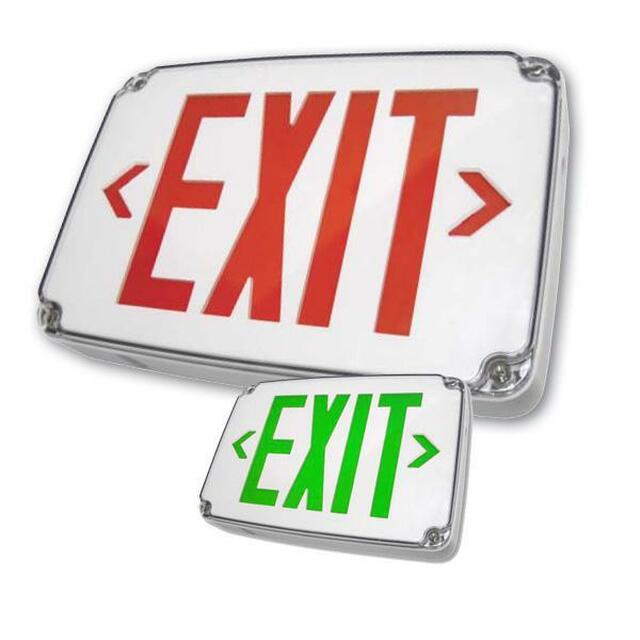
LED Exit Lights
LED exit lights display illuminated exit signage to guide occupants toward safe egress routes. Building exits, hallways, and evacuation paths apply exit lighting to ensure clear visibility of escape directions during emergency situations.
Backup LED Lights
Backup LED lights store electrical energy internally to supply temporary illumination when primary power sources fail. Residential spaces, offices, and critical service areas apply backup lighting to maintain basic visibility during short-term outages.
Hazard Warning LED Lights
Hazard warning LED lights signal potential danger through high-visibility illumination and attention-focused light output. Industrial zones, construction areas, and restricted access locations apply warning lighting to reduce accident risk and improve situational awareness.
Evacuation Guidance LED Lights
Evacuation guidance LED lights provide directional illumination along escape routes using low-level or pathway-focused lighting. Large facilities, underground spaces, and high-occupancy buildings apply guidance lighting to support orderly evacuation under reduced visibility conditions.
What Are The Types Of LED Lights By Industry-Specific Use?
The types of LED lights by industry-specific use are classified by operational requirements, regulatory conditions, and task precision, and industry-focused LED lights include retail, healthcare, industrial manufacturing, food processing, hospitality, automotive, agriculture, logistics, and data-center lighting categories designed for specialized performance needs.
Retail Lighting
Retail-focused LED lighting enhances product visibility and color accuracy while controlling glare and shadowing. Apparel stores, showrooms, and supermarkets apply focused and high-CRI illumination to improve merchandise presentation and customer perception.
Healthcare Lighting
Healthcare LED lighting supports visual accuracy, hygiene compliance, and patient comfort across clinical environments. Hospitals, clinics, laboratories, and examination rooms apply high color rendering and flicker-controlled illumination for diagnostic and procedural tasks.
Industrial Manufacturing Lighting
Industrial manufacturing LED lighting delivers high lumen output and durability for demanding operational environments. Production floors, assembly lines, and fabrication zones apply high-bay and linear illumination to maintain visibility, safety, and workflow efficiency.
Food Processing Lighting
Food processing LED lighting meets hygiene standards while resisting moisture, temperature variation, and contamination. Processing plants, cold rooms, and packaging areas apply sealed and shatter-resistant designs to maintain food safety compliance.
Hospitality Lighting
Hospitality LED lighting balances ambiance, comfort, and functional illumination across guest-facing environments. Hotels, restaurants, lounges, and entertainment venues apply layered lighting strategies to enhance experience and visual appeal.
Automotive Lighting
Automotive LED lighting supports precision visibility and signaling for vehicle manufacturing, service, and inspection environments. Assembly plants, workshops, and detailing bays apply focused and high-intensity illumination to improve accuracy and safety.
Agricultural Lighting
Agricultural LED lighting delivers controlled spectral output to support plant growth and operational visibility. Greenhouses, vertical farms, and livestock facilities apply spectrum-specific illumination to optimize productivity and environmental control.
Logistics And Warehousing Lighting
Logistics LED lighting provides uniform high-output illumination for storage, sorting, and material handling operations. Distribution centers and fulfillment facilities apply energy-efficient lighting to maintain safety and operational continuity.
Data Center Lighting
Data center LED lighting supports low-heat, low-glare illumination for technical environments with continuous operation. Server rooms and infrastructure facilities apply controlled lighting to reduce thermal load and support maintenance visibility.
What Are The Types Of LED Lights By Compliance And Standards?
The types of LED lights by compliance and standards are classified by regulatory approval, safety certification, energy performance validation, and environmental conformity, and compliance-based LED lights include UL-listed, ETL-listed, ENERGY STAR–certified, DLC-qualified, RoHS-compliant, FCC-compliant, and ISO-aligned categories that define legal use and performance credibility.
UL-Listed LED Lights
UL-listed LED lights meet safety requirements verified through electrical, fire, and mechanical testing under recognized laboratory standards. Commercial buildings, industrial facilities, and public installations apply UL compliance to ensure safe operation and regulatory acceptance.
ETL-Listed LED Lights
ETL-listed LED lights demonstrate equivalent safety compliance through independent laboratory certification and performance verification. Residential, commercial, and industrial lighting systems apply ETL approval to satisfy inspection and code requirements.
ENERGY STAR–Certified LED Lights
ENERGY STAR–certified LED lights meet defined thresholds for energy efficiency, lumen maintenance, and operational lifespan. Energy-conscious lighting systems apply this certification to validate reduced power consumption and long-term performance consistency.
DLC-Qualified LED Lights
DLC-qualified LED lights satisfy performance benchmarks for commercial and industrial applications including efficacy, output stability, and durability. Large-scale lighting installations apply DLC qualification to meet utility program requirements and performance standards.
RoHS-Compliant LED Lights
RoHS-compliant LED lights restrict hazardous substances such as lead, mercury, and cadmium within electronic components. Environmentally regulated markets apply RoHS compliance to support sustainable manufacturing and material safety.
FCC-Compliant LED Lights
FCC-compliant LED lights meet electromagnetic interference limits to prevent disruption of communication systems. Commercial buildings and technology-sensitive environments apply FCC compliance to maintain signal integrity and operational stability.
ISO-Aligned LED Lights
ISO-aligned LED lights follow international quality, environmental, and manufacturing management standards. Large-scale production and institutional procurement apply ISO alignment to ensure consistency, traceability, and controlled manufacturing processes.
What Are The Types Of LED Lights By Thermal Management?
The types of LED lights by thermal management are classified by heat dissipation method and temperature control strategy, and thermally managed LED lights include passive-cooled, active-cooled, heat-sink–based, fan-assisted, liquid-cooled, and thermally isolated categories that maintain performance stability and lifespan.
Passive-Cooled LED Lights
Passive-cooled LED lights dissipate heat naturally through conduction and convection without moving components. Residential fixtures, panels, bulbs, and low-to-medium power applications apply passive cooling to achieve silent operation and reduced maintenance complexity.
Active-Cooled LED Lights
Active-cooled LED lights use mechanical components to accelerate heat removal from LED chips. High-output systems apply active cooling to maintain junction temperature stability under continuous high-lumen operation.
Heat-Sink–Based LED Lights
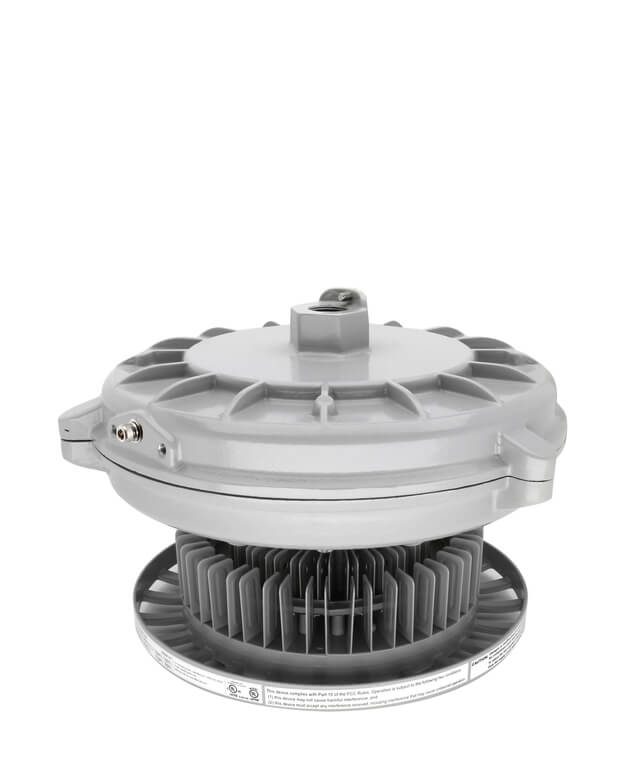
Heat-sink–based LED lights transfer thermal energy away from LED chips using metal structures with increased surface area. Aluminum fin designs support efficient heat dissipation in downlights, high bays, floodlights, and linear luminaires.
Fan-Assisted LED Lights
Fan-assisted LED lights integrate internal fans to enhance airflow across heat-dissipating components. Industrial, studio, and high-intensity lighting environments apply fan-assisted systems to sustain brightness consistency under extended operation.
Liquid-Cooled LED Lights
Liquid-cooled LED lights regulate temperature through fluid-based heat transfer systems for extreme output requirements. Specialized industrial, scientific, and high-performance lighting applications apply liquid cooling to manage dense thermal loads.
Thermally Isolated LED Lights
Thermally isolated LED lights separate heat-generating components from optical and electronic elements to prevent performance degradation. Precision lighting systems apply thermal isolation to protect drivers, lenses, and control electronics from heat exposure.
What Are The Types Of LED Lights By Aesthetic And Design?
The types of LED lights by aesthetic and design are classified by visual expression, form language, and decorative intent, and design-focused LED lights include minimalist, decorative, architectural, vintage-style, contemporary, industrial-style, and custom-designed categories that shape visual identity and spatial perception.
Minimalist Design
Minimalist design emphasizes clean lines, simple geometry, and reduced visual complexity to integrate lighting seamlessly into interiors. Modern residential and professional environments apply minimalist lighting to maintain uncluttered spaces and architectural continuity.
Decorative Design
Decorative design prioritizes visual appeal by combining illumination with ornamental form and stylistic detailing. Feature fixtures, statement lighting, and interior focal points apply decorative designs to enhance aesthetic character.
Architectural Design
Architectural design integrates LED lighting into structural elements to emphasize form, depth, and spatial geometry. Ceilings, walls, façades, and built-in features apply architectural lighting to reinforce design intent and spatial hierarchy.
Vintage-Style Design
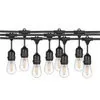
Vintage-style design replicates classic forms and traditional aesthetics using modern LED technology. Filament-inspired shapes, retro housings, and warm-toned finishes apply this design to evoke historical character with contemporary efficiency.
Contemporary Design
Contemporary design reflects current design trends through refined shapes, neutral finishes, and balanced proportions. Residential and commercial interiors apply contemporary lighting to align with modern spatial aesthetics.
Industrial-Style Design
Industrial-style design features exposed elements, robust materials, and utilitarian forms inspired by industrial environments. Lofts, commercial interiors, and themed spaces apply industrial aesthetics to convey raw and functional visual language.
Custom-Designed Lighting
Custom-designed lighting delivers bespoke forms and tailored visual solutions aligned with specific architectural or branding requirements. Specialized interiors and signature projects apply custom designs to achieve unique visual identity and design cohesion.
What Are The Types Of LED Lights By Room?
The types of LED lights by room are classified by functional lighting needs and spatial usage, and room-based LED lights include living room, bedroom, kitchen, bathroom, office, hallway, garage, and outdoor room lighting categories designed to match task requirements, comfort levels, and safety conditions.
Living Room
Living room lighting supports ambient, accent, and decorative illumination to balance comfort and visual interest. Ceiling lights, floor lamps, wall lights, and accent strips are combined to create layered illumination for seating areas and focal points.
Bedroom
Bedroom lighting prioritizes low-glare ambient illumination and controlled task lighting to support relaxation and visual comfort. Bedside lamps, ceiling fixtures, and indirect lighting formats are used to maintain calm light levels and reduced eye strain.
Kitchen
Kitchen lighting delivers high-visibility task illumination for food preparation and workspace safety. Ceiling lights, under-cabinet lighting, and focused task fixtures provide even coverage across countertops and cooking areas.
Bathroom
Bathroom lighting supports clear visibility and moisture-resistant performance for grooming and hygiene tasks. Ceiling lights, mirror lighting, and sealed fixtures are applied to maintain brightness and safety in humid conditions.
Office
Office lighting enhances visual clarity and focus for prolonged work and screen-based tasks. Desk lighting, overhead fixtures, and glare-controlled illumination are used to reduce eye fatigue and support productivity.
Hallway And Corridor
Hallway lighting provides continuous, low-glare illumination to support safe movement and navigation. Ceiling-mounted lights, wall lights, and recessed formats create uniform brightness along transitional spaces.
Garage
Garage lighting delivers high-output illumination to support storage access, maintenance tasks, and vehicle movement. Ceiling-mounted fixtures and linear lighting formats provide broad coverage and functional visibility.
Outdoor Rooms And Patios
Outdoor room lighting enhances usability, safety, and atmosphere in exterior living spaces. Wall-mounted lights, pathway lighting, and ambient fixtures support visibility while defining outdoor zones.
What Are The Types Of LED Lights By Control Systems?
The types of LED lights by control systems are classified by switching logic, signal method, and automation capability, and control-based LED lights include manual-controlled, dimmer-controlled, sensor-controlled, programmable, networked, and automated systems that regulate brightness, timing, and operational behavior.
Manual Control
Manual control operates LED lights through physical switches to manage on and off states without signal modulation. Residential rooms, utility spaces, and basic installations apply manual control for simple and direct operation.
Dimmer Control
Dimmer control regulates LED light output by adjusting electrical input to vary brightness levels. Living spaces, dining areas, and commercial interiors apply dimming systems to support visual comfort and energy optimization.
Sensor Control
Sensor control activates or adjusts LED lights based on motion, occupancy, or ambient light detection. Corridors, restrooms, parking areas, and storage spaces apply sensor-based control to reduce energy usage and improve safety.
Programmable Control
Programmable control manages LED lights through preset schedules and time-based rules. Offices, commercial buildings, and public facilities apply programmed systems to automate daily lighting cycles.
Networked Control
Networked control connects LED lights through wired or wireless communication protocols for centralized management. Large facilities and multi-zone environments apply networked systems to coordinate lighting behavior across multiple areas.
Automated Control
Automated control dynamically adjusts LED lights using integrated logic, environmental input, and system rules. Smart buildings and advanced lighting installations apply automation to align illumination with usage patterns and operational efficiency.
What Are The Types Of LED Lights By Ceiling Height?
The types of LED lights by ceiling height are classified by mounting elevation and light distribution requirement, and ceiling-height–based LED lights include low-ceiling, standard-ceiling, high-ceiling, and very-high-ceiling categories that determine beam angle, lumen output, and fixture selection.
Low Ceiling (Below 8 Feet)
Low-ceiling lighting delivers wide and diffused illumination to avoid glare and uneven brightness in confined vertical spaces. Flush-mounted lights, surface-mounted fixtures, panels, and wide-beam downlights support uniform coverage and visual comfort in compact rooms.
Standard Ceiling (8–10 Feet)
Standard-ceiling lighting balances ambient and task illumination through moderate lumen output and controlled beam spread. Recessed downlights, ceiling-mounted fixtures, panels, and track systems provide flexible lighting layouts for general residential and commercial interiors.
High Ceiling (10–20 Feet)
High-ceiling lighting requires increased lumen output and focused distribution to deliver effective illumination at floor level. Suspended fixtures, linear lights, and high-output downlights support visibility and uniformity across open interiors and commercial spaces.
Very High Ceiling (Above 20 Feet)
Very-high-ceiling lighting delivers concentrated, high-intensity illumination using narrow or medium beam angles to cover large vertical distances. High bay fixtures and industrial luminaires provide wide-area coverage and consistent brightness in warehouses, factories, and large-volume interiors.
Conclusion
LED lights deliver optimal performance only when classification, application, and operating conditions align with technical design parameters. Factors such as application type, fixture structure, installation method, mounting height, beam angle, color output, CRI accuracy, flicker performance, thermal management, protection rating, control system, and compliance standard collectively determine reliability, safety, and visual quality.
Correct LED selection depends on matching light distribution, power regulation, heat dissipation, optical control, and environmental resistance to real-use conditions. When these variables are aligned, LED lighting achieves consistent illumination, reduced energy consumption, visual comfort, and long-term durability across residential, commercial, industrial, architectural, decorative, and safety-critical environments.