






















Ever get that gut-punch feeling when the energy bill hits your desk? You’re not alone. Businesses across the board—from cozy corner coffee shops to sprawling warehouses—are burning through cash without realizing that one of their biggest energy drains is, quite literally, right above their heads. Yep, we’re talking about lighting energy.
If you’re tired of losing money to outdated bulbs and inefficient fixtures, it’s time to take the reins and run a lighting energy audit. But don’t worry—we’re not here to drop a load of technical mumbo-jumbo. This is your down-to-earth, step-by-step guide to real savings, written for real business owners and managers who want the bottom line to look a little better next quarter.
1. What Even Is a Lighting Energy Audit?
Before we get into the nitty-gritty, let’s clear the air. A lighting energy audit is like a check-up for your lighting systems. You’re not just walking around counting light bulbs; you’re analyzing where energy is wasted, identifying opportunities to upgrade, and figuring out how to reduce costs without turning your workplace into a cave.
Think of it like this: if your business was a car, this would be the moment you pop the hood to see what’s draining your gas mileage. And trust us—there’s probably a lot going on under there.
2. Start With the Visual Sweep (Yes, Walk Around)
Before you even get to measuring lux levels or fiddling with meters, do a good old-fashioned walkthrough. This is where you:
- Note down every fixture type
- Check bulb wattages
- Spot areas that are over-lit or under-lit
- Flag any flickering, outdated, or constantly-on lights
Pro tip: Take photos or videos as you go. You’ll be surprised how much you miss when you’re not multitasking with a clipboard.
This is also a good time to spot behavioral issues. Lights on in empty rooms? Natural daylight being ignored? You’re already halfway to saving just by fixing habits.
3. Logging the Lighting Load (Make It Real)
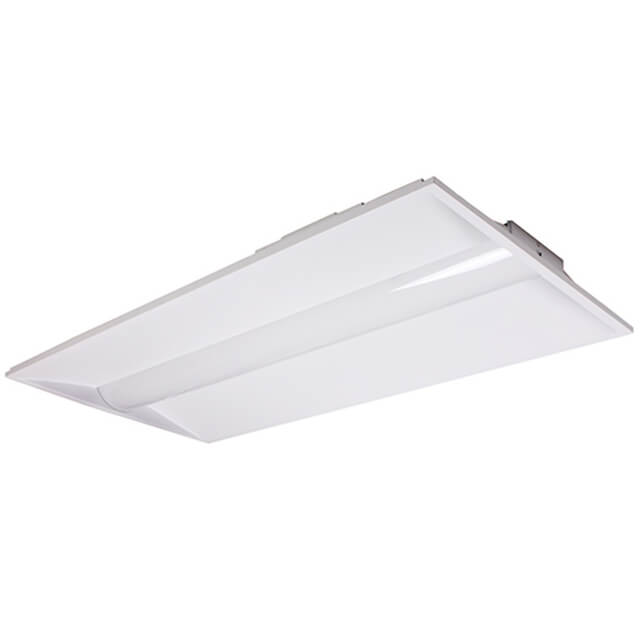
Here comes a bit of math, but stay with us—it’s worth it. Now that you know what lights are installed, log this info in a table like the one below.
|
Area |
Fixture Type | Bulbs Per Fixture | Wattage | Hours Used Daily |
Total Daily kWh |
|
Office |
LED Panel | 4 | 18W | 10 |
0.72 |
|
Warehouse |
Metal Halide | 2 | 400W | 12 | 9.6 |
|
Break Room |
CFL | 1 | 23W | 5 | 0.115 |
This tells you how much energy each zone is eating up. Once you total it, multiply by your utility’s rate per kWh. Boom—that’s how much you’re paying for lighting alone. Spoiler: it’s probably more than you think.
4. Look for Upgrade Opportunities (Where the Magic Happens)
Now the fun part—finding places to save. This is where you start identifying:
- Old fixtures that should be upgraded to LED
- Areas that could benefit from motion sensors or timers
- Zones that could use natural daylight more efficiently
- Cases where fewer, better-placed lights can do the job of many
And remember, LED retrofits aren’t just for looks. They’re proven to cut costs dramatically. In fact, you might’ve already read about that in our other piece: Cost-Saving Strategies with LED Retrofits in Commercial Indoor Spaces.
5. Don’t Forget Controls—Automation Is Your Best Friend
Lighting upgrades are one thing. But smart controls? That’s like going from a flip phone to a smartphone.
- Occupancy sensors in bathrooms and meeting rooms
- Timers in signage and exterior lights
- Daylight sensors for those massive front windows
This isn’t future tech—it’s now, and it’s surprisingly affordable. You’ll find most lighting waste isn’t because you need that much light; it’s because no one turned it off.
6. Seasonal Strategy Shifts (It’s Not One-Size-Fits-All)
Your lighting needs to change with the seasons. Summer brings longer daylight hours, meaning you can cut back on artificial lighting—if you know how to use the sunlight right.
In another blog regarding industrial indoor lighting strategies, we explore how businesses can optimize layouts and reflectivity to work with daylight, not against it.
So when you’re auditing, think long-term. A light strategy that works in winter might cost you in July.
7. Get the Team Involved
Your audit can only go so far if no one else cares. Employees need to understand why energy efficiency matters—and how they can help.
Run quick training sessions. Post signs. Incentivize departments to cut down usage. A little competition never hurts.
8. Estimate Payback Periods (Here Comes the ROI Talk)
Once you’ve identified upgrades, you’ll want to calculate how quickly they’ll pay for themselves. Here’s a basic formula:
Payback Period = Upgrade Cost / Annual Savings
Example:
- $2,000 for LED retrofits
- $800 saved per year
- Payback = 2.5 years
And considering LEDs can last 10+ years, that’s a long time reaping benefits post-payoff.
Lighting and Supplies can help you price out LED upgrades and controls. With the right supplier, you not only get quality products but expert advice, too.
9. Tap into Rebates and Incentives (Don’t Leave Money on the Table)
Depending on your state or utility provider, you might be eligible for rebates on:
- Energy-efficient lighting
- Smart controls
- Daylight harvesting systems
It’s free money—or close to it. Many businesses never take advantage simply because they don’t know about these programs. Make it part of your audit checklist to call your local energy provider or browse online rebate databases.
Again, Lighting and Supplies can help point you in the right direction or even handle the paperwork for you.
10. Keep It Going—Lighting Audits Aren’t One-and-Done
A lot of companies make one audit and then forget about it for the next five years. Don’t be like them.
Set a schedule—annually, semi-annually, or quarterly, depending on your facility size. Update your audit report as you install new fixtures or change layouts. Track your savings over time. Keep your table updated and monitor usage.
Treat it like a health checkup for your building. Stay proactive, and you’ll stay profitable.
Final Thoughts:
Lighting is one of those things we take for granted—until the bills start adding up. But with just a few steps, a bit of data, and a willingness to rethink what you really need to light up, you can turn one of your biggest expenses into a controllable, predictable part of your budget.
And remember—this audit isn’t just about numbers on a spreadsheet. It’s about better working conditions, smarter technology, and most of all, saving money you can put back into your people, your product, or your growth.