











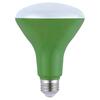
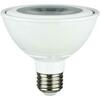
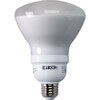
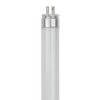
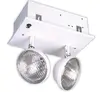
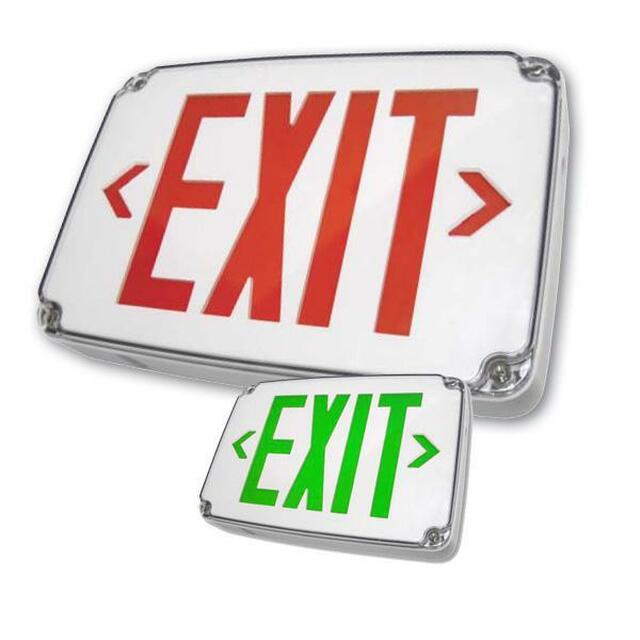
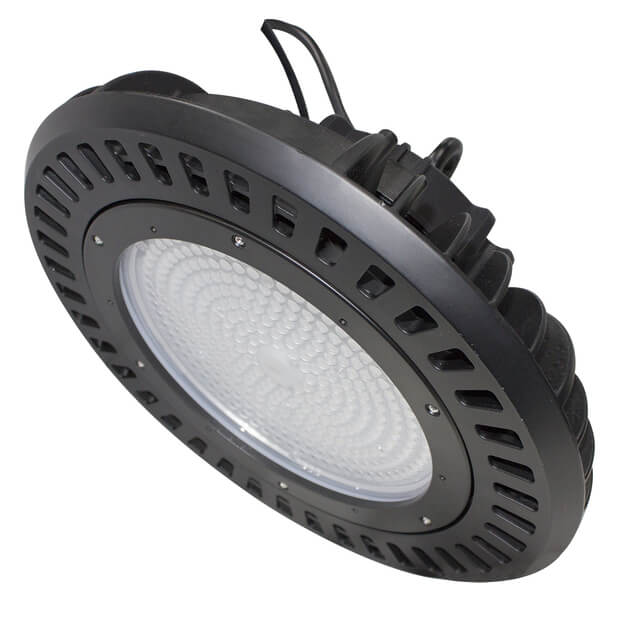
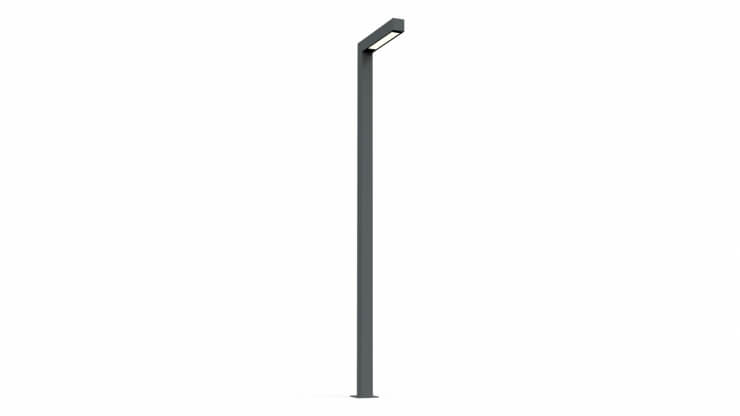
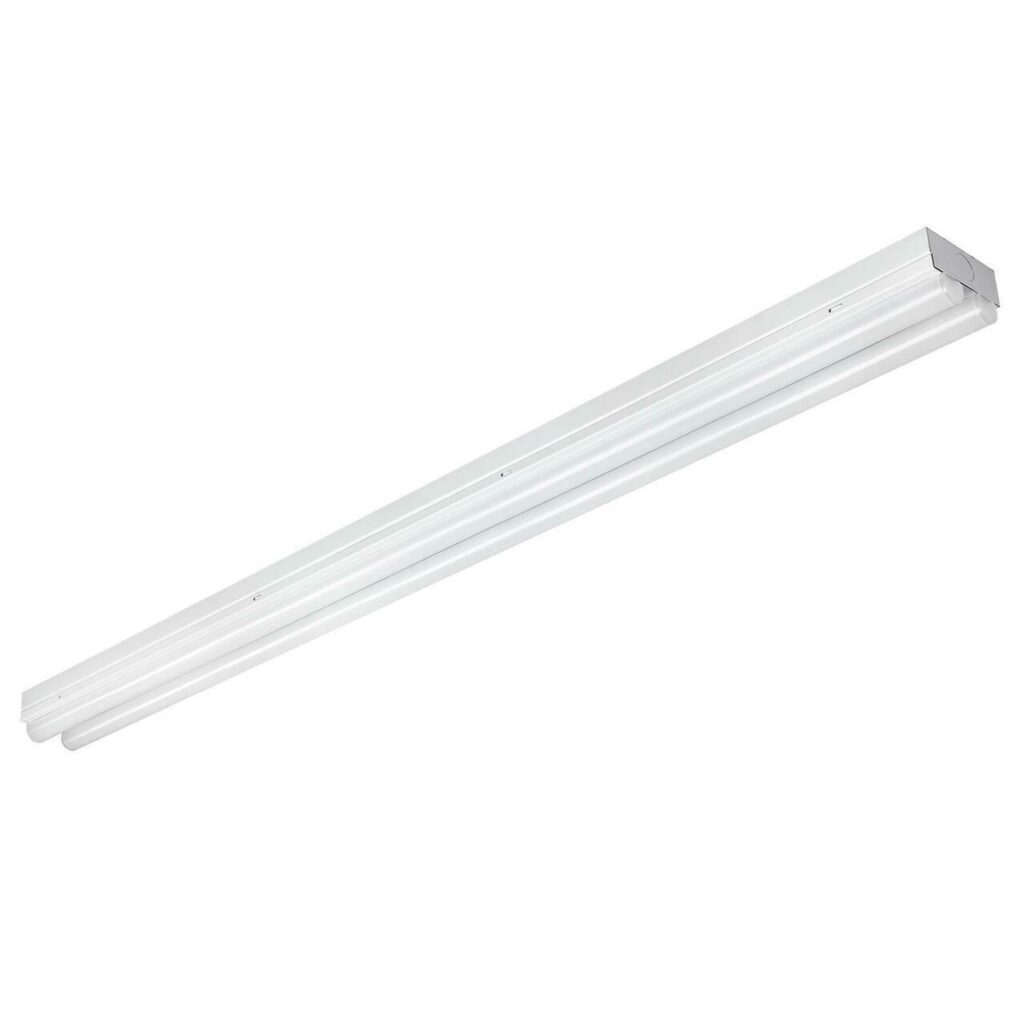
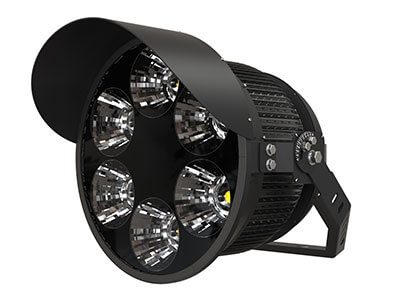
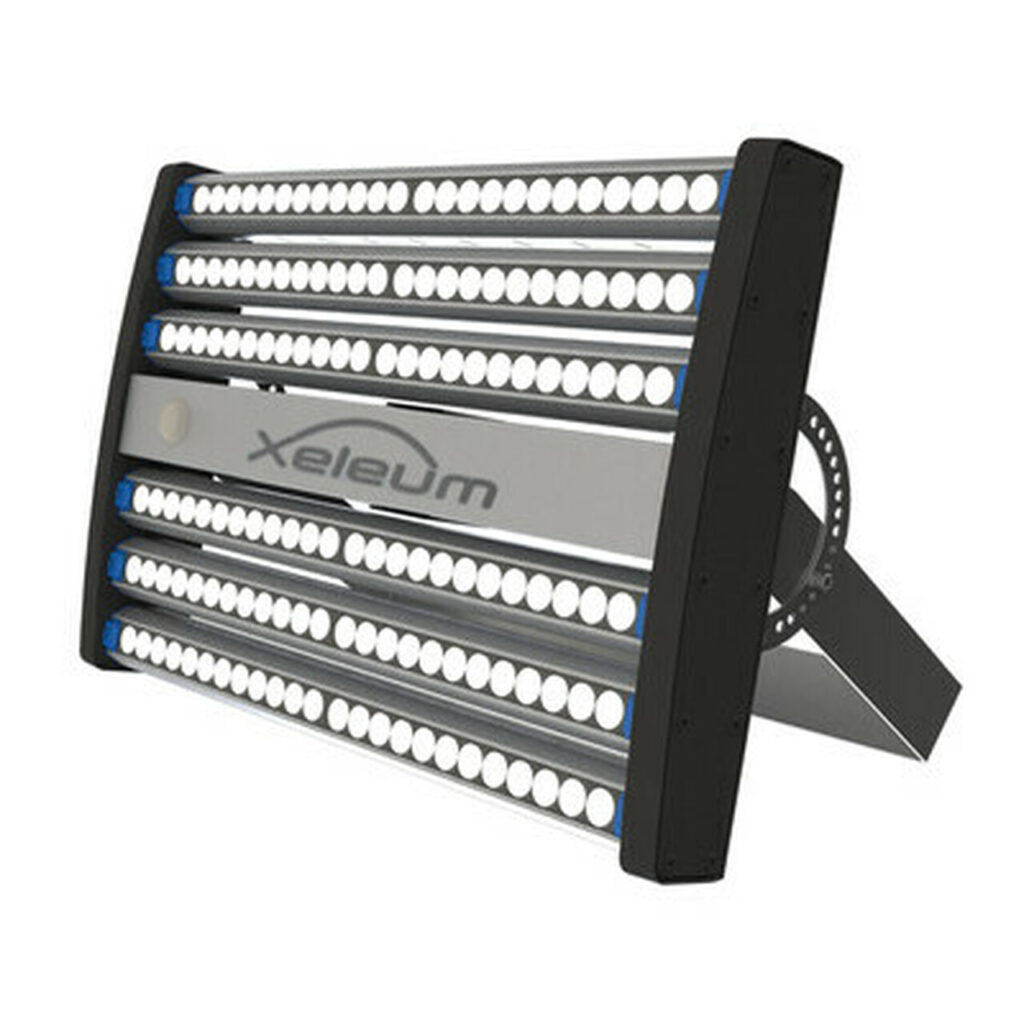
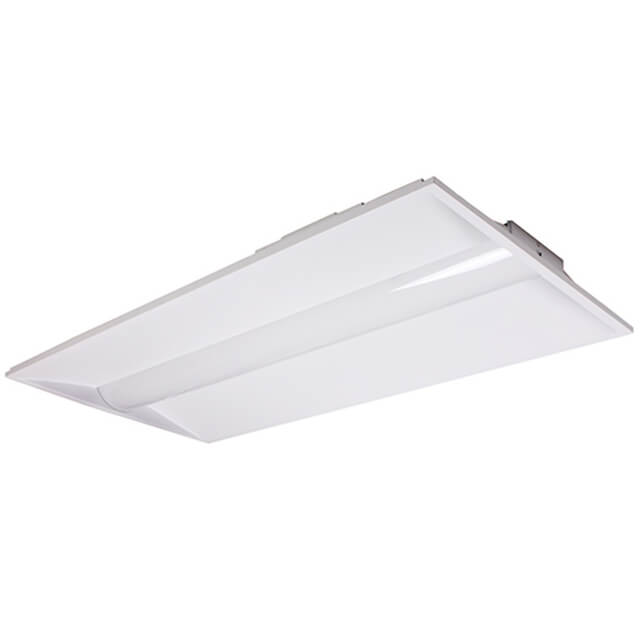
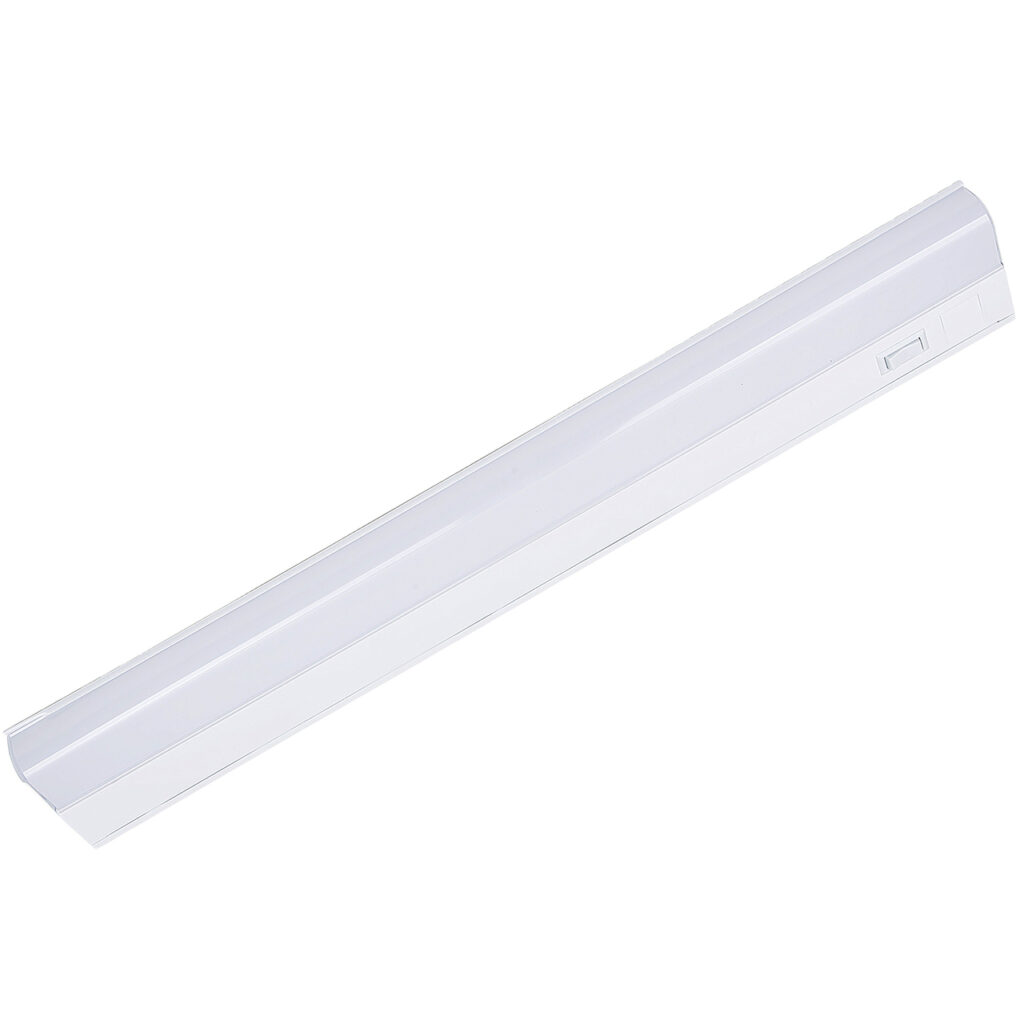
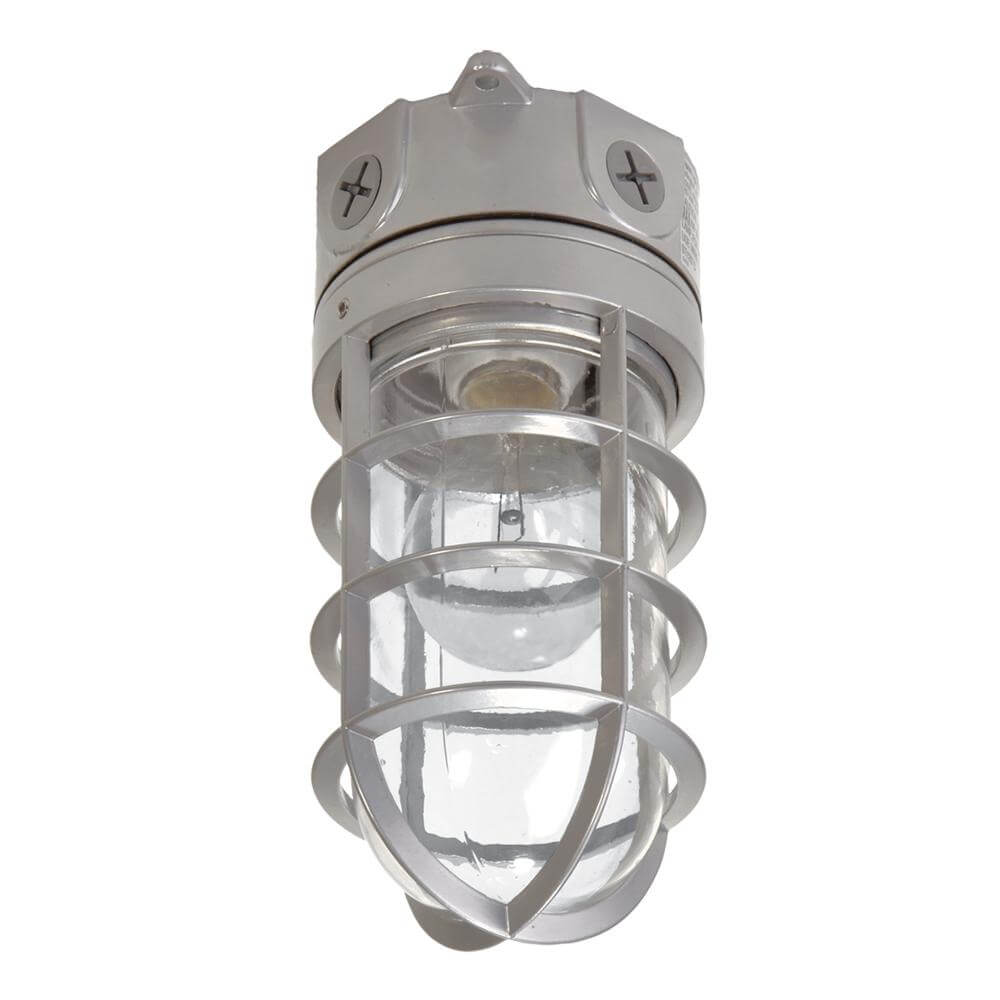
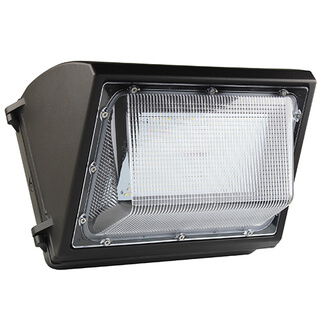
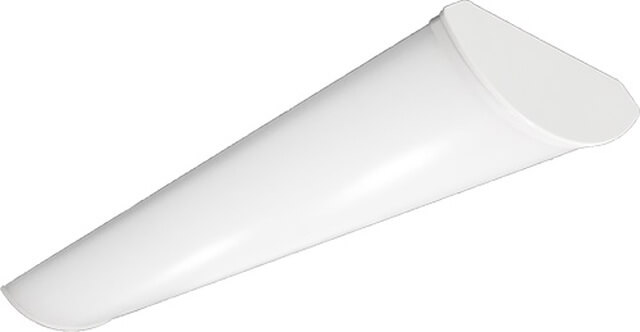
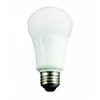
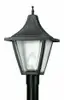
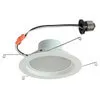
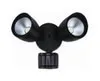
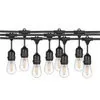
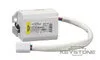
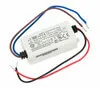


LED lights are solid-state lighting systems that produce visible light through semiconductor electroluminescence, delivering high energy efficiency, long service life, low heat emission, and precise light control across residential, commercial, industrial, and outdoor applications. Typical LED lighting achieves 100–220 lumens per watt, operates for 25,000–50,000 hours, supports multiple color temperatures, beam angles, shapes, and form factors, and functions with regulated electrical drivers for stable performance.
LED lighting includes bulbs, strips, panels, troffers, tubes, downlights, high-bay fixtures, outdoor luminaires, and smart lighting systems, with standardized specifications for lumens, watts, CRI, voltage, dimming capability, and safety compliance. Proper LED selection depends on measurable criteria such as brightness requirements, color temperature, beam distribution, electrical compatibility, installation method, operating environment, and long-term cost efficiency, making LED lighting a defined, data-driven solution rather than a decorative choice.
What Are LED Lights?
LED lights are Solid-state lighting devices that emit visible light through electroluminescence inside a semiconductor diode when electrical current crosses a p–n junction are defined as LED lights. U.S. Department of Energy Solid-State Lighting Program data, 2025, reports commercial efficacy levels above 180 lumens per watt with electrical-to-light conversion efficiency exceeding 80%.
Semiconductor compounds such as gallium nitride determine wavelength output, color temperature range, and luminous intensity stability. Operational lifespans exceed 25,000 hours, thermal radiation remains low, and directional photon emission supports residential, commercial, and industrial lighting environments across the United States.
How Do LED Lights Work?
LED lights work by converting electrical energy into visible light when electrons recombine with electron holes inside a semiconductor p–n junction, releasing photons through electroluminescence instead of heat. This light-generation process increases electrical efficiency and reduces energy loss associated with thermal radiation.
Electroluminescence Process in LED Lighting
Electroluminescence occurs when energized electrons drop to a lower energy level within a semiconductor material and emit photons. Semiconductor bandgap composition determines photon wavelength, which defines color output such as warm white, neutral white, or cool white.
Electrical Control of Light Output
Light output intensity depends on regulated electrical current flowing through the semiconductor junction. Increased current density raises photon emission rate, while stable current control preserves brightness consistency, color stability, and long-term lumen maintenance.
Thermal Behavior of LED Operation
Low heat generation results from direct photon emission rather than filament-based thermal excitation. Reduced infrared radiation lowers surface temperature, decreases energy waste, and supports extended operational lifespans across residential, commercial, and industrial lighting environments.
How LED Lights Evolved through History?
LED lights evolved from low-intensity electronic indicators into high-efficiency illumination systems through advances in semiconductor materials, bandgap engineering, and manufacturing scale. Historical development shows continuous gains in brightness, color range, energy efficiency, and operational lifespan.
Early Development of LED Technology
The first LED light was introduced in 1962 as a red semiconductor device using gallium arsenide phosphide with luminous output below 1 lumen. Early LED lights served indicator and signal functions due to narrow wavelength emission and low brightness.
Expansion into White LED Lighting
The invention of high-brightness blue LEDs in the early 1990s enabled white LED lighting through phosphor conversion. This advancement allowed full visible spectrum output, expanding LED lights into displays, signage, and architectural applications.
Adoption in General Illumination
LED lights entered residential and commercial lighting markets in the early 2000s as efficiency exceeded incandescent and fluorescent technologies. Improvements in thermal management and driver electronics increased lifespan beyond 25,000 hours and reduced energy consumption.
Modern LED Lighting Systems
Modern LED lights deliver high luminous efficacy, controlled color rendering, and digital compatibility through advanced semiconductor design. Integration with smart controls and energy management platforms defines the current stage of LED lighting evolution in the United States.
How Are LED Lights Manufactured and Which Materials Are Used to Make LED Lights?
LED lights are manufactured through semiconductor fabrication, chip packaging, electronic assembly, and luminaire integration using compound semiconductors, phosphor materials, metals, polymers, and electronic components. Manufacturing precision determines light efficiency, color stability, and operational lifespan.
Semiconductor Chip Fabrication
LED manufacturing begins with semiconductor chip fabrication using gallium nitride and indium gallium nitride compounds. These materials form a p–n junction that generates photons through electroluminescence when electrical current flows.
Epitaxial Layer Deposition
Epitaxial layer deposition builds ultra-thin semiconductor layers on sapphire or silicon carbide substrates. Metal-organic chemical vapor deposition controls layer thickness to define wavelength output and color characteristics.
Wafer Dicing and Die Formation
Wafer dicing separates fabricated wafers into individual LED dies. Each die functions as a discrete light-emitting unit with defined electrical and optical properties.
Phosphor Conversion Process
Phosphor conversion transforms blue light into white light through wavelength shifting. Yttrium aluminum garnet phosphors doped with cerium control correlated color temperature and color rendering performance.
LED Packaging and Encapsulation
LED packaging encloses the semiconductor die while enabling electrical connection and light extraction. Packaging materials include silicone encapsulants, epoxy resins, copper lead frames, and aluminum or gold bonding wires.
Thermal Management Integration
Thermal management integration removes heat from the semiconductor junction to maintain performance stability. Aluminum heat sinks, copper cores, and thermally conductive interfaces regulate operating temperature.
Driver Electronics Assembly
Driver electronics assembly regulates current and voltage supplied to LED chips. Printed circuit boards contain capacitors, resistors, inductors, transformers, and integrated circuits for power conditioning.
Optical Component Installation
Optical component installation shapes and distributes emitted light. Polycarbonate lenses, acrylic diffusers, and reflective coatings control beam angle and glare.
Final Luminaire Assembly
Final luminaire assembly integrates LED packages, drivers, optics, and housings into finished lighting products. Housing materials commonly include aluminum alloys, steel, and flame-retardant polymers.
Materials Used in LED Lights
The materials used in LED lights include gallium-based semiconductors, sapphire substrates, phosphor compounds, aluminum heat sinks, copper conductors, silicone encapsulants, polymers, and electronic components. Material selection directly affects efficiency, durability, and lifespan.
What Types of LED Lights Are Available?
The types of LED lights include LED bulbs, LED strip lights, LED panel lights, LED troffers, LED tube lights, LED downlights, high-bay LED lights, low-bay LED lights, LED flood lights, LED street lights, LED canopy lights, LED track lights, LED wall packs, LED landscape lights, and smart LED lights. These LED light types cover residential, commercial, industrial, and outdoor lighting applications.
LED Bulbs
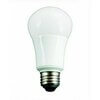
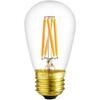
LED bulbs are socket-based lighting sources used for general illumination in residential and commercial fixtures. Common LED bulb formats include A-series, globe, candle, reflector, and filament designs installed in lamps and ceiling fittings.
LED Strip Lights
LED strip lights are flexible linear lighting systems composed of surface-mounted diodes on continuous circuit boards. LED strip lights are used for accent lighting, under-cabinet lighting, cove lighting, and architectural outlining.
LED Panel Lights
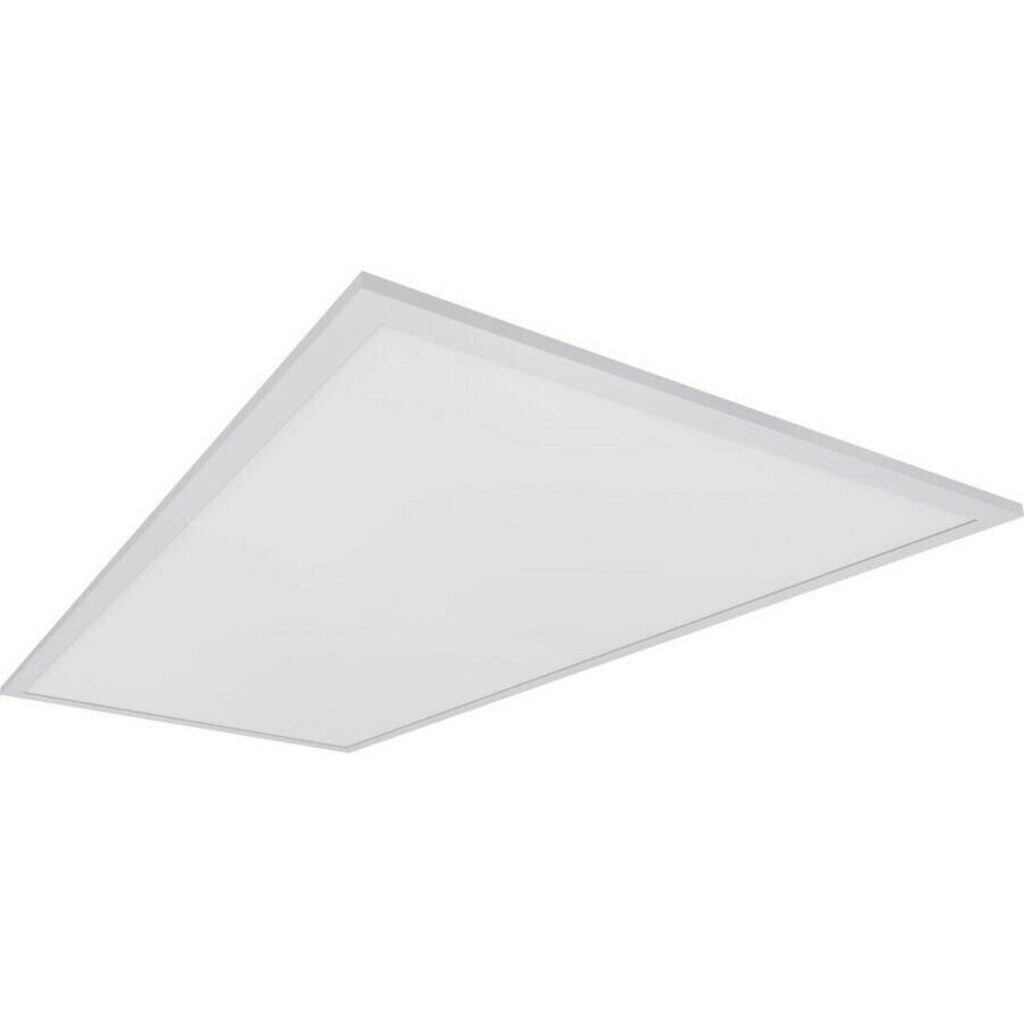
LED panel lights are flat luminaires designed to distribute uniform illumination across wide ceiling surfaces. LED panel lights are installed in offices, healthcare facilities, and educational buildings using recessed or suspended mounting.
LED Troffers
LED troffers are rectangular recessed luminaires designed for modular grid ceilings. LED troffers replace fluorescent troffer fixtures in offices, retail interiors, and institutional environments.
LED Tube Lights
LED tube lights are linear lamps engineered to replace fluorescent T8, T5, and T12 tubes. LED tube lights provide consistent linear illumination in warehouses, offices, parking structures, and retail spaces.
LED Downlights
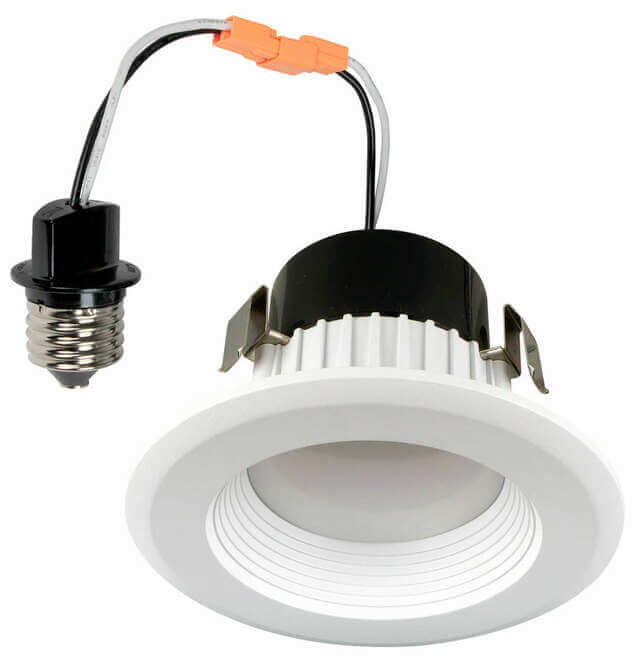
LED downlights are recessed or surface-mounted ceiling fixtures designed for focused or diffused illumination. LED downlights are commonly used in kitchens, corridors, hospitality interiors, and commercial spaces.
High-Bay LED Lights
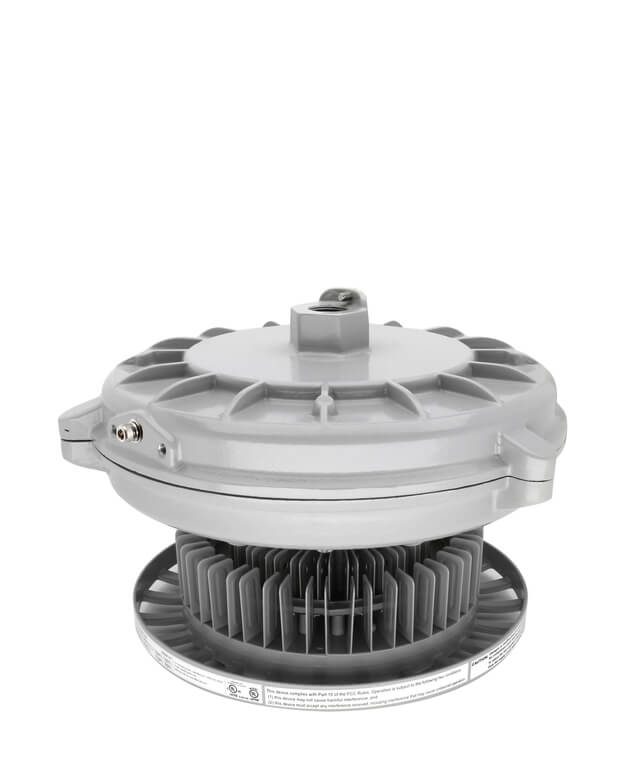
High-bay LED lights are industrial luminaires designed for ceiling heights above 20 feet. High-bay LED lights illuminate warehouses, manufacturing plants, and distribution centers requiring high-lumen output.
Low-Bay LED Lights
Low-bay LED lights are industrial fixtures designed for ceiling heights below 20 feet. Low-bay LED lights support workshops, storage areas, and light industrial buildings.
LED Flood Lights
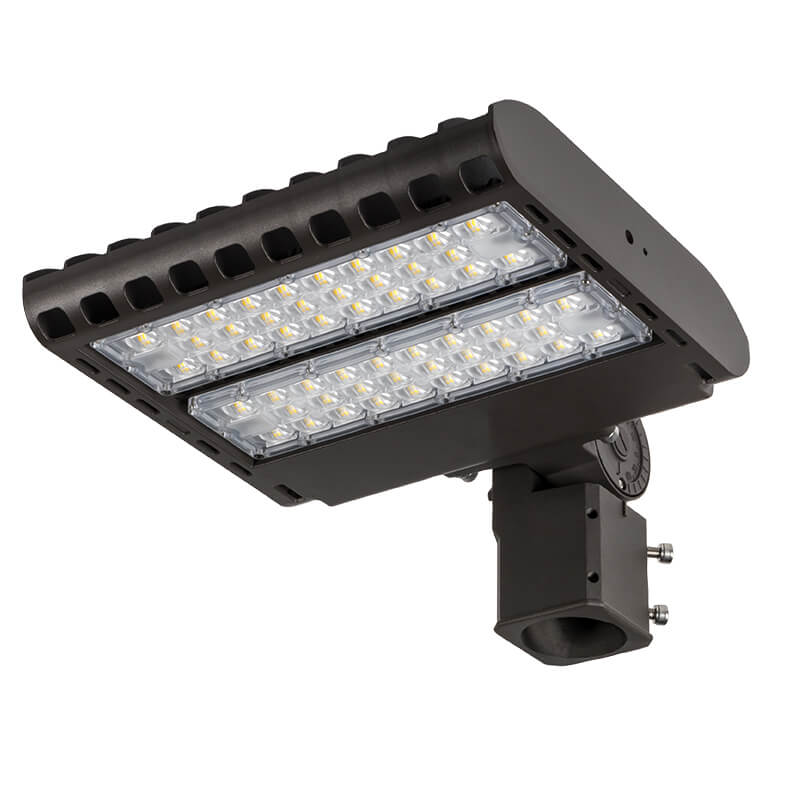
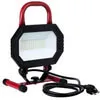
LED flood lights are high-output directional luminaires designed to illuminate large exterior areas. LED flood lights are used for building facades, parking lots, sports facilities, and security lighting.
LED Street Lights
LED street lights are roadway luminaires designed to deliver uniform illumination across streets and highways. LED street lights support municipal, commercial, and infrastructure lighting systems.
LED Canopy Lights
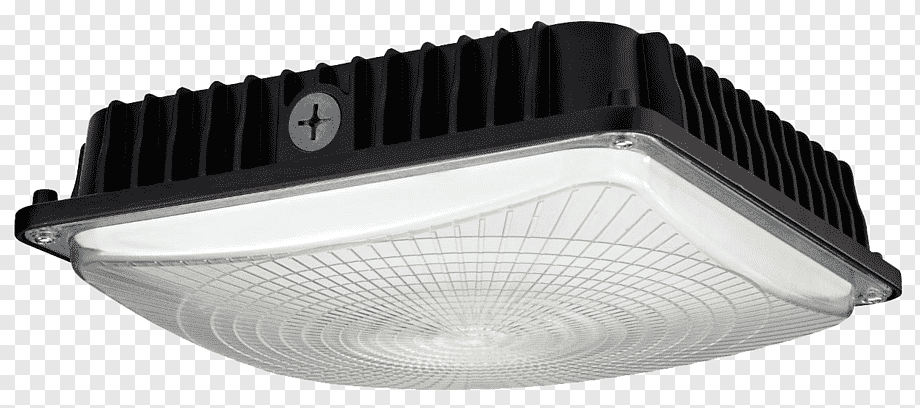
LED canopy lights are surface-mounted luminaires installed beneath overhead structures. LED canopy lights illuminate gas stations, parking garages, covered walkways, and loading zones.
LED Track Lights
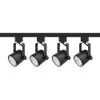
LED track lights are adjustable directional fixtures mounted on linear track systems. LED track lights support retail displays, galleries, and interior accent lighting layouts.
LED Wall Packs
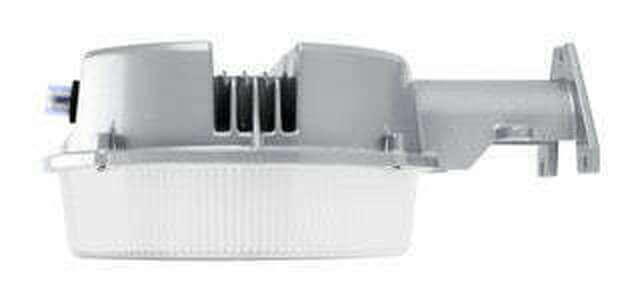
LED wall packs are exterior-mounted luminaires designed for perimeter and security illumination. LED wall packs illuminate building exteriors, service corridors, and outdoor walkways.
LED Landscape Lights
LED landscape lights are low-voltage outdoor fixtures designed for functional exterior illumination. LED landscape lights support pathways, gardens, and architectural features.
Smart LED Lights
Smart LED lights are digitally controllable lighting systems integrated with wireless communication technology. Smart LED lights enable dimming, scheduling, color tuning, and automated lighting control.
What Are the Advantages of LED Lights?
LED lights provide high energy efficiency, extended operational lifespan, low heat emission, precise light control, stable light quality, instant illumination, mechanical durability, voltage tolerance, environmental safety, and reduced maintenance demand compared with traditional lighting technologies.
Energy Efficiency
Energy efficiency exceeds 80% electrical-to-light conversion with luminous efficacy between 180 and 220 lumens per watt. Electricity consumption decreases by approximately 75–85% compared with incandescent lighting for equivalent brightness output.
Operational Lifespan
Operational lifespan ranges from 25,000 to 50,000 hours under standard electrical conditions. Extended service duration reduces replacement cycles, labor requirements, and material usage in continuous-operation lighting systems.
Heat Emission
Heat emission remains low because light generation occurs through electroluminescence rather than filament-based thermal radiation. Reduced infrared output lowers fixture surface temperature and limits heat accumulation in enclosed spaces.
Directional Light Output
Directional light output occurs through forward photon emission without reflectors. Controlled beam spread reduces wasted light and improves illumination efficiency in task-oriented lighting layouts.
Light Quality Stability
Light quality stability includes consistent brightness and controlled color temperature across operating hours. Regulated current flow preserves lumen output and color consistency over extended usage periods.
Instant Illumination
Instant illumination occurs at full brightness immediately after power activation. Absence of warm-up delay supports safety lighting, motion-sensor systems, and occupancy-controlled environments.
Dimming and Control Integration
Dimming and control integration supports precise brightness adjustment through electronic drivers. Compatibility with sensors, timers, and automated control systems improves lighting adaptability and energy management.
Mechanical Durability
Mechanical durability remains high due to solid-state construction without fragile filaments or glass envelopes. Resistance to vibration and impact improves reliability in industrial and outdoor installations.
Switching and Voltage Tolerance
Switching and voltage tolerance remain stable under frequent on-off cycling. Performance consistency persists without degradation associated with fluorescent or discharge lighting technologies.
Environmental Safety
Environmental safety improves through mercury-free construction and reduced hazardous material content. Safer disposal minimizes environmental contamination risks.
Maintenance Reduction
Maintenance demand decreases due to long service life and stable lumen maintenance. Reduced intervention frequency lowers operational disruption and total lighting system ownership costs.
What Are the Disadvantages of LED Lights?
LED lights have disadvantages related to higher upfront cost, thermal sensitivity at the semiconductor junction, driver dependency, dimming compatibility limits, blue light emission, color shift over time, electrical interference risk, and recycling complexity. These disadvantages affect performance, installation, and lifecycle management in specific lighting environments.
Higher Initial Cost
Higher initial cost occurs because LED lighting systems require semiconductor chips, electronic drivers, and thermal management components. Purchase prices remain approximately 20–40% higher than incandescent and basic fluorescent lighting for equivalent lumen output.
Thermal Sensitivity
Thermal sensitivity concentrates at the LED junction rather than the emitted light beam. Elevated junction temperature accelerates lumen depreciation and shortens operational lifespan when heat dissipation design remains inadequate.
Driver Dependency
Driver dependency exists because LED lights require regulated electrical current to operate correctly. Driver component failure represents a primary system failure point and increases replacement complexity compared with filament-based lighting.
Dimming Compatibility
Dimming compatibility remains limited due to electrical mismatch between LED drivers and legacy dimming systems. Incompatible dimmers cause flicker, reduced dimming range, and audible electrical noise during operation.
Blue Light Emission
Blue light emission increases in high correlated color temperature LED products. Elevated short-wavelength output above 460 nanometers associates with visual discomfort and circadian rhythm disruption during prolonged evening exposure.
Color Shift over Time
Color shift occurs as phosphor materials degrade with extended operating hours. Correlated color temperature deviation commonly reaches 100–300 Kelvin in lower-quality LED systems after prolonged usage.
Electrical Interference
Electrical interference originates from high-frequency switching circuits within LED drivers. Electromagnetic emissions affect nearby audio equipment, wireless systems, and sensitive electronics in poorly shielded installations.
Recycling and Disposal Complexity
Recycling and disposal complexity increases due to integrated electronic components and mixed material construction. Specialized recycling processes remain necessary to recover metals, semiconductors, and circuit elements at end of life.
What Are the Most Common Applications of LED Lights?
The most common applications of LED lights include residential lighting, commercial lighting, industrial lighting, outdoor and street lighting, automotive lighting, architectural lighting, and electronic display systems.
Residential Lighting
Residential lighting applications include ceiling fixtures, lamps, kitchens, bathrooms, and living spaces. LED lights reduce electricity consumption by approximately 75% compared with incandescent lighting while maintaining consistent brightness and color performance.
Commercial Lighting
Commercial lighting applications include offices, retail stores, healthcare facilities, and educational buildings. LED lights support extended daily operation, uniform illumination, and reduced lamp replacement frequency.
Industrial Lighting
Industrial lighting applications include warehouses, manufacturing plants, and distribution centers. High-bay and low-bay LED lights deliver high lumen output, vibration resistance, and operational stability.
Outdoor and Street Lighting
Outdoor and street lighting applications include roadways, parking lots, pathways, and public infrastructure. LED lights provide directional illumination, improved visibility, and lower energy consumption across large exterior areas.
Automotive Lighting
Automotive lighting applications include headlights, taillights, brake lights, and interior vehicle lighting. LED lights provide fast response time, durability, and improved illumination accuracy.
Architectural Lighting
Architectural lighting applications include building facades, interior accent features, and landscape elements. LED lights enable controlled beam angles, color variation, and continuous illumination.
Electronic Displays and Signage
Electronic display and signage applications include digital billboards, signage panels, screens, and indicator systems. LED lights support high brightness, pixel-level control, and long operational life.
What Are the Color Temperatures of LED Lights?
LED light color temperatures are defined by Kelvin (K) values that describe the perceived warmth or coolness of emitted light, typically ranging from 2,700K to 6,700K. Each Kelvin range corresponds to a distinct spectral appearance used in specific lighting environments.
Warm White (2,700K–3,000K)
Warm white LED light produces a yellow-toned white appearance comparable to incandescent light. Residential living rooms, bedrooms, dining areas, and hospitality interiors commonly use this range to maintain low contrast and visual softness.
Soft White (3,000K–3,500K)
Soft white LED light delivers a warm-neutral white tone with reduced yellow saturation. Kitchens, bathrooms, hallways, and residential task areas frequently apply this range for balanced illumination.
Neutral White (4,000K)
Neutral white LED light emits a clean white appearance without warm or blue dominance. Offices, retail spaces, classrooms, and healthcare interiors use 4,000K lighting to support visual clarity and detail recognition.
Cool White (5,000K)
Cool white LED light produces a bright white tone with increased blue spectral content. Warehouses, workshops, garages, and industrial interiors apply this range to improve contrast and surface visibility.
Daylight (6,500K–6,700K)
Daylight LED light replicates the color characteristics of midday sunlight with high blue wavelength intensity. Laboratories, inspection stations, and precision work environments use this range for maximum visual definition.
What Is Lumens vs Watts in LED Lighting?
Lumens measure the amount of visible light produced, while watts measure the amount of electrical power consumed by an LED light. Lumens indicate brightness output, whereas watts indicate energy usage, making lumens the correct metric for comparing LED light brightness.
Lumens in LED Lighting
Lumens represent total visible light output emitted by an LED light source. Higher lumen values indicate greater brightness, with common residential LED lights producing between 800 and 1,600 lumens depending on application.
Watts in LED Lighting
Watts represent the electrical power required to operate an LED light. LED lights typically consume 8–15 watts to produce the same brightness as a 60-watt incandescent bulb due to higher energy efficiency.
Lumens-to-Watts Efficiency
Lumens-per-watt defines LED lighting efficiency by expressing light output relative to power consumption. Modern LED lights achieve efficiency levels of 100–220 lumens per watt, significantly exceeding incandescent lighting efficiency below 20 lumens per watt.
Why Lumens Matter More Than Watts
Brightness comparison relies on lumens rather than watts because watts do not represent light output. LED technology decouples brightness from power consumption, allowing high light output with low energy usage.
What Beam Angles Are Available in LED Lights?
LED light beam angles define the spread of emitted light in degrees, ranging from narrow spot beams at 10° to wide flood beams above 120°. Beam angle selection controls light concentration, coverage area, and application suitability.
Narrow Beam (10°–25°)
Narrow beam angles concentrate light into a focused spotlight with minimal spill. Display lighting, accent lighting, museums, and retail highlighting commonly use 10°–25° beams for precise illumination.
Medium Beam (30°–45°)
Medium beam angles balance focus and coverage for controlled illumination. Track lighting, downlights, task lighting, and hospitality interiors frequently use 30°–45° beams to highlight areas without excessive spread.
Wide Beam (60°–90°)
Wide beam angles distribute light across broader areas with even coverage. General lighting, residential rooms, offices, and corridors typically use 60°–90° beams for uniform illumination.
Extra-Wide Beam (100°–120°)
Extra-wide beam angles provide broad light distribution with reduced intensity concentration. LED panels, troffers, and ceiling-mounted fixtures commonly use 100°–120° beams in commercial interiors.
Flood Beam (120°+)
Flood beam angles deliver maximum area coverage with low directional focus. Outdoor lighting, parking areas, warehouses, and open-plan spaces use beams above 120° for large-area illumination.
What Are the Most Common LED Bulb Sizes?
The most common LED bulb sizes include A19, A21, BR30, PAR38, MR16, GU10, T8, T5, G25, B11, C7, and R20, defined by standardized shape and diameter measurements used to match specific fixtures and lighting functions. These sizes follow U.S. ANSI bulb designation standards.
A19 LED Bulbs
A19 LED bulbs are standard household bulbs with a diameter of 19/8 inches designed for general lighting. Table lamps, ceiling fixtures, and wall sconces commonly use A19 bulbs with E26 bases.
A21 LED Bulbs
A21 LED bulbs are larger general-purpose bulbs with a diameter of 21/8 inches for higher lumen output. Open fixtures and high-ceiling installations use A21 bulbs where increased brightness is required.
BR30 LED Bulbs
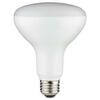
BR30 LED bulbs are bulged reflector lamps with a diameter of 30/8 inches designed for recessed can lighting. Residential kitchens, living rooms, and downlights commonly use BR30 bulbs for wide beam spread.
PAR38 LED Bulbs
PAR38 LED bulbs are parabolic aluminized reflector lamps measuring 38/8 inches in diameter. Outdoor flood lighting, track lighting, and commercial accent lighting use PAR38 bulbs for controlled directional illumination.
MR16 LED Bulbs
MR16 LED bulbs are multi-reflector lamps measuring 16/8 inches in diameter and operating on low voltage. Landscape lighting, display cases, and accent fixtures commonly use MR16 bulbs.
GU10 LED Bulbs
GU10 LED bulbs are twist-lock reflector lamps designed for line-voltage operation. Track lighting, recessed spotlights, and retail display fixtures frequently use GU10 bulbs.
T8 LED Tubes
T8 LED tubes are linear lamps with a one-inch diameter. Offices, warehouses, and retail spaces commonly use T8 tubes to replace fluorescent lighting systems.
T5 LED Tubes
T5 LED tubes are slim linear lamps measuring five-eighths of an inch in diameter. Compact commercial fixtures and high-efficiency lighting systems use T5 tubes.
G25 LED Bulbs
G25 LED bulbs are globe-shaped lamps with a diameter of 25/8 inches. Bathroom vanities and decorative fixtures commonly use G25 bulbs for even light distribution.
B11 LED Bulbs
B11 LED bulbs are narrow candle-style lamps measuring 11/8 inches in diameter. Chandeliers and decorative wall fixtures frequently use B11 bulbs.
C7 LED Bulbs
C7 LED bulbs are small conical lamps designed for decorative applications. Nightlights, signage, and seasonal lighting displays commonly use C7 bulbs.
R20 LED Bulbs
R20 LED bulbs are reflector lamps with a diameter of 20/8 inches designed for small recessed fixtures. Hallways, accent lighting, and compact ceiling cans commonly use R20 bulbs.
What Shapes Are Available in LED Lights?
LED light shapes include A-shape, globe, candle, reflector, tubular, linear, panel, corn, capsule, and specialty formats designed to match fixture geometry, beam control requirements, and installation standards. Each LED light shape corresponds to a defined lighting function and socket configuration.
A-Shape
A-shape LED lights use a pear-shaped profile for general illumination. A19 and A21 shapes dominate residential lighting, accounting for over 60% of household bulb installations in the United States.
Globe
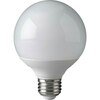
Globe LED lights use a spherical shape to provide evenly distributed omnidirectional light. G25 and G40 globe shapes are commonly installed in vanity fixtures and decorative pendants requiring exposed bulbs.
Candle
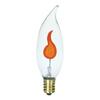
Candle LED lights use a narrow flame-style profile for decorative lighting fixtures. B11 and C35 candle shapes are primarily used in chandeliers and wall sconces with visible bulb designs.
Reflector
Reflector LED lights use directional shapes to control beam angle and light focus. BR, PAR, and R shapes are installed in recessed cans, track lighting systems, and outdoor flood applications.
Tubular
Tubular LED lights use elongated cylindrical shapes for linear illumination. T8 and T5 tube shapes are standard in offices, warehouses, and retail environments replacing fluorescent lamps.
Linear
Linear LED lights use slim elongated profiles for continuous light distribution. Under-cabinet lighting, cove lighting, and architectural accents commonly use linear LED shapes.
Panel
Panel LED lights use flat rectangular or square shapes for wide-area illumination. Commercial ceilings, offices, and educational facilities commonly use panel shapes for uniform light coverage.
Corn
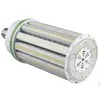
Corn LED lights use cylindrical shapes with multi-directional exposed diode arrays. High-output post-top fixtures, street lighting retrofits, and area lighting applications commonly use corn shapes.
Capsule
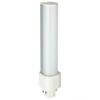
Capsule LED lights use compact bi-pin shapes for small or enclosed fixtures. G4 and G9 capsule shapes are used in desk lamps, decorative luminaires, and compact lighting assemblies.
Specialty
Specialty LED lights use application-specific shapes engineered for unique installations. Ring lights, filament replicas, automotive LEDs, and signage modules represent common specialty formats.
How Do You Read and Understand LED Light Specifications?
LED light specifications are interpreted by analyzing lumen output, wattage, color temperature, color rendering index, beam angle, voltage rating, and rated lifespan, each defining a specific performance attribute of the LED light. Correct interpretation enables accurate lighting selection for defined applications.
Lumens
Lumens indicate the total visible light output produced by an LED light. Higher lumen values represent higher brightness, with common residential LEDs ranging from 800 to 1,600 lumens.
Watts
Watts measure the electrical power consumed by an LED light during operation. Lower wattage combined with high lumen output indicates higher energy efficiency.
Lumens per Watt
Lumens per watt express lighting efficiency by dividing light output by power consumption. Modern LED lights commonly achieve 100–220 lumens per watt.
Color Temperature
Color temperature defines light appearance and is measured in Kelvin. Typical ranges include 2,700K for warm white, 4,000K for neutral white, and 6,500K for daylight tones.
Color Rendering Index (CRI)
Color Rendering Index measures how accurately an LED light reveals object colors on a scale from 0 to 100. CRI values above 80 indicate acceptable color accuracy, while values above 90 indicate high color fidelity.
Beam Angle
Beam angle defines the spread of emitted light measured in degrees. Narrow beams range from 10°–25°, medium beams range from 30°–60°, and wide beams exceed 90°.
Voltage Rating
Voltage rating specifies the electrical input range required for safe operation. Common residential LED lights operate at 120 volts in the United States.
Rated Lifespan
Rated lifespan indicates the number of operating hours before lumen output decreases to 70% of initial brightness. Typical LED lifespans range from 25,000 to 50,000 hours.
Certifications and Ratings
Certifications and ratings verify compliance with safety, efficiency, and performance standards. Common markings include ENERGY STAR, UL listing, and DLC qualification.
What Are the Electrical Requirements for LED Lights?
LED lights require defined electrical conditions including correct voltage input, regulated current, compatible driver circuitry, suitable frequency, adequate power factor, proper grounding, and surge protection to operate safely and efficiently. Electrical requirements vary by LED light type and installation environment.
Voltage Rating
Voltage rating defines the acceptable electrical input range for LED lights. Residential LED lights typically operate at 120V AC, while commercial and industrial LED lights commonly support 120–277V or 347–480V input ranges.
Current Regulation
Current regulation is mandatory because LED chips function on constant current rather than constant voltage. Regulated current prevents junction overheating and stabilizes light output across operating conditions.
LED Driver Requirement
LED driver requirement exists to convert alternating current into regulated direct current. LED drivers manage voltage conversion, current limitation, and electrical isolation for semiconductor protection.
Power Consumption
Power consumption indicates electrical load and is measured in watts. Typical residential LED bulbs consume 8–15 watts to deliver 800–1,100 lumens, replacing 60-watt incandescent lamps.
Power Factor
Power factor represents electrical efficiency between supplied and consumed power. Commercial-grade LED lights commonly achieve power factor values above 0.9, reducing reactive power losses.
Electrical Frequency
Electrical frequency compatibility supports stable LED operation at 60 hertz in the United States. Driver circuitry synchronizes with grid frequency to prevent flicker and power instability.
Dimming Compatibility
Dimming compatibility depends on driver design and control method. LED systems support phase-cut, 0–10V, DALI, or digital dimming when driver and control interfaces match.
Grounding and Wiring
Grounding and wiring ensure electrical safety and compliance with electrical codes. Metal housings require grounding conductors, while correct wire gauge supports load capacity and thermal limits.
Surge Protection
Surge protection safeguards LED electronics from voltage transients. Outdoor and commercial LED lights commonly integrate surge protection rated between 2kV and 10kV.
How Do You Calculate How Many LED Lights You Need?
The number of LED lights required is calculated by dividing total room lumen demand by the lumen output of one LED light, after determining room area and target illuminance in foot-candles.
Measure Room Area
Room area equals room length multiplied by room width in square feet. A room measuring 12 feet by 15 feet equals 180 square feet.
Define Target Illuminance
Target illuminance represents required light level measured in foot-candles. Typical values include 10–20 foot-candles for bedrooms, 20–50 foot-candles for kitchens, and 30–50 foot-candles for workspaces.
Calculate Total Lumens Required
Total lumens required equals room area multiplied by target foot-candles. A 180-square-foot room at 20 foot-candles requires 3,600 lumens.
Divide by LED Lumen Output
LED light quantity equals total lumens divided by lumens per LED light. A 3,600-lumen requirement using 800-lumen LED bulbs equals 4.5 units, rounded to 5 lights.
Adjust for Ceiling Height
Ceiling height affects delivered light intensity at task level. Ceiling heights above 9 feet require approximately 10–20% additional lumens to maintain equivalent illuminance.
Adjust for Beam Angle and Fixture Loss
Beam angle and fixture design affect usable lumen delivery. Enclosed fixtures and diffusers reduce effective output by approximately 10–30%, requiring higher initial lumen allocation.
Validate Fixture Spacing
Fixture spacing determines illumination uniformity. Recessed LED lights commonly use spacing equal to half the ceiling height to reduce shadows and dark zones.
Are LED Lights Dimmable?
LED lights are dimmable only when the LED light source and the LED driver are specifically designed to support dimming operation. Dimmability depends on driver electronics, control method, and compatibility with the installed dimmer system.
Dimmable LED Light Design
Dimmable LED lights include integrated drivers engineered to regulate current across varying input levels. Non-dimmable LED lights lack current-control circuitry and exhibit flicker or failure when connected to dimmers.
Dimmer Compatibility
Dimmer compatibility depends on matching dimmer type with LED driver technology. Common dimming methods include phase-cut (leading-edge or trailing-edge), 0–10V analog dimming, and digital protocols such as DALI.
Brightness Range Performance
Brightness range varies based on driver quality and dimmer matching. High-quality dimmable LED lights achieve smooth dimming from 100% to 10% output, while premium drivers support dimming below 5% without flicker.
Electrical Behavior During Dimming
Electrical behavior during dimming requires stable current regulation to prevent noise and light instability. Incompatible dimmers cause flickering, buzzing, reduced dimming range, or uneven light output.
Verification on LED Specifications
Dimmability is verified through product specifications and labeling. Packaging and technical datasheets identify dimmable LED lights and list compatible dimmer standards and control methods.
How Energy-Efficient Are LED Lights?
LED lights convert electrical energy into visible light with efficiency levels exceeding 80%, delivering between 100 and 220 lumens per watt depending on design and application. This efficiency substantially exceeds incandescent and fluorescent lighting performance.
Electrical-to-Light Conversion Efficiency
Electrical-to-light conversion efficiency remains high because LED lights generate photons through electroluminescence rather than heat. Incandescent lighting converts less than 15% of input energy into light, while LED lighting exceeds 80% conversion efficiency.
Energy Consumption Reduction
Energy consumption decreases by approximately 75–85% when LED lights replace incandescent lamps at equivalent brightness levels. An 800-lumen LED light typically consumes 8–10 watts compared with 60 watts for incandescent lighting.
Luminous Efficacy Performance
Luminous efficacy measures light output per unit of power and defines LED efficiency. Modern LED lighting systems commonly achieve 180–220 lumens per watt in controlled commercial and industrial environments.
Heat Loss Reduction
Heat loss remains minimal because LED lights emit limited infrared radiation. Reduced thermal energy loss improves overall system efficiency and lowers cooling demand in enclosed indoor spaces.
Lifetime Energy Efficiency
Lifetime energy efficiency increases due to extended operational lifespan ranging from 25,000 to 50,000 hours. Reduced replacement frequency lowers cumulative energy and material consumption across the service life of LED lighting systems.
How Long Do LED Lights Last?
LED lights last between 25,000 and 50,000 operating hours based on rated lumen maintenance thresholds, operating temperature, and electrical conditions. Lifespan measurement uses the L70 standard, which defines end of life at 70% of initial light output.
Rated Lifespan in Hours
Rated lifespan commonly ranges from 25,000 to 50,000 hours under standard operating conditions. Continuous daily use of 8 hours results in approximately 8.5 to 17 years of service duration.
Lumen Maintenance Standard (L70)
L70 lifespan indicates the operating time until light output decreases to 70% of initial brightness. Quality LED products maintain L70 ratings beyond 36,000 hours with controlled thermal management.
Effect of Operating Temperature
Operating temperature directly affects LED lifespan at the semiconductor junction. Elevated junction temperature accelerates lumen depreciation and shortens service life when heat dissipation remains insufficient.
Driver Component Lifespan
Driver components influence overall LED system lifespan. Capacitors and electronic components often determine functional life before LED chips reach lumen maintenance limits.
Switching and Usage Patterns
Frequent on–off switching does not reduce LED lifespan. Solid-state construction supports high switching cycles without filament stress or startup degradation.
Environmental Operating Conditions
Environmental conditions affect lifespan stability. Excessive heat, moisture exposure, and voltage instability reduce effective service life in poorly protected installations.
What Safety Standards and Regulations Apply to LED Lights?
LED lights are regulated by electrical safety, performance, and environmental standards that govern electrical integrity, fire safety, electromagnetic compatibility, and energy efficiency. Compliance ensures safe operation, installation compatibility, and market approval within the United States.
UL Safety Standards
UL safety standards certify LED lights for electrical shock, fire risk, and mechanical safety. UL 8750 applies to LED equipment, while UL 1598 covers luminaires used in residential and commercial installations.
ETL and CSA Certification
ETL and CSA certifications provide equivalent safety validation to UL standards. These certifications confirm compliance with U.S. and North American electrical safety requirements for LED lighting products.
National Electrical Code (NEC)
The National Electrical Code defines installation, wiring, grounding, and circuit protection requirements for LED lighting systems. NEC compliance ensures safe electrical integration in residential, commercial, and industrial buildings.
FCC Electromagnetic Compliance
FCC regulations control electromagnetic interference generated by LED driver electronics. FCC Part 15 compliance limits radio frequency emissions that may disrupt communication and electronic devices.
ENERGY STAR Performance Criteria
ENERGY STAR criteria define minimum efficiency, lumen maintenance, and quality thresholds for LED lights. Qualified products meet verified performance benchmarks for residential and commercial energy efficiency programs.
Department of Energy Lighting Facts
Department of Energy Lighting Facts labeling standardizes LED performance disclosure. Labeling provides verified data for lumen output, wattage, efficacy, color temperature, and rated lifespan.
RoHS Environmental Compliance
RoHS compliance restricts hazardous substances such as lead, mercury, and cadmium in LED lighting components. Material restrictions support environmental safety and end-of-life disposal requirements.
DLC Commercial Certification
DesignLights Consortium certification applies to commercial and industrial LED lighting systems. DLC standards validate performance, efficiency, and quality for utility rebate and incentive programs.
OSHA Workplace Safety Requirements
OSHA regulations apply to LED lighting used in workplace environments. Illumination levels, fixture safety, and electrical compliance support occupational safety standards.
State and Local Energy Codes
State and local energy codes regulate lighting power density and efficiency thresholds. Codes such as Title 24 in California establish mandatory LED performance requirements for building compliance.
Are LED Lights Safe for Your Health?
LED lights are safe for human health when used within regulated standards, as LED lighting emits no ionizing radiation, contains no mercury, and operates within established photobiological safety limits. Health impact depends on color temperature, brightness level, and exposure duration.
Photobiological Safety
Photobiological safety of LED lights is defined under IEC 62471 risk group classification. General service LED lights fall under Risk Group 0 or Risk Group 1, indicating no or low risk for eye and skin exposure during normal use.
Blue Light Exposure
Blue light exposure from LED lights occurs primarily at higher color temperatures above 4,000K. Excessive nighttime exposure to short-wavelength light between 460–480 nanometers associates with circadian rhythm disruption rather than physical eye damage.
Eye Strain and Visual Comfort
Eye strain relates to brightness level, glare, and flicker rather than LED technology itself. Proper lumen selection, diffused optics, and flicker-free drivers reduce visual discomfort during prolonged indoor exposure.
Flicker and Neurological Sensitivity
Flicker risk depends on driver design and electrical regulation. Quality LED lights operate at high-frequency modulation beyond human perception, reducing headache and fatigue risk in sensitive individuals.
Heat and Radiation Exposure
LED lights emit minimal infrared and ultraviolet radiation compared with incandescent and fluorescent lighting. Low radiant heat output reduces skin exposure and thermal discomfort during extended use.
Chemical and Material Safety
LED lights contain no mercury and use encapsulated semiconductor materials. Solid-state construction limits chemical exposure risk under normal operating and residential conditions.
Regulatory Health Oversight
Health safety of LED lights is governed by standards from IEC, FDA-recognized photobiological frameworks, and U.S. Department of Energy guidance. Compliance ensures LED lighting remains safe for residential, commercial, and occupational environments.
How Do LED Lights Compare to Other Lighting Technologies?
LED lights outperform incandescent, halogen, fluorescent, compact fluorescent, and high-intensity discharge lighting in energy efficiency, lifespan, heat control, and light output per watt. Performance comparison uses measurable metrics such as lumens per watt, operating hours, thermal output, and controllability.
LED Lights vs Incandescent Lighting
LED lights consume 75–85% less electrical energy than incandescent lighting for equivalent brightness. Incandescent lamps convert over 85% of input energy into heat and typically last 1,000 hours, while LED lights exceed 25,000 hours.
LED Lights vs Halogen Lighting
LED lights operate at significantly lower wattage and surface temperature than halogen lighting. Halogen lamps emit high infrared radiation and last 2,000–4,000 hours, whereas LED lights maintain stable output beyond 25,000 hours.
LED Lights vs Fluorescent Lighting
LED lights provide instant full brightness and mercury-free operation compared with fluorescent lighting. Fluorescent lamps require warm-up time, degrade with frequent switching, and contain mercury compounds.
LED Lights vs Compact Fluorescent Lamps
LED lights deliver higher luminous efficacy and longer lifespan than compact fluorescent lamps. CFLs average 50–70 lumens per watt and last 8,000–10,000 hours, while LED lights reach 100–220 lumens per watt.
LED Lights vs High-Intensity Discharge Lighting
LED lights offer instant start-up and precise control compared with HID lighting systems. HID lamps require extended warm-up periods and frequent ballast maintenance, while LED systems support immediate on–off cycling.
Heat Output Comparison
LED lights emit minimal radiant heat compared with filament-based and discharge lighting. Lower heat output improves safety and reduces cooling demand in enclosed environments.
Maintenance Frequency Comparison
LED lights require fewer replacements due to extended operational lifespan and solid-state construction. Reduced maintenance lowers downtime and service costs compared with traditional lighting technologies.
Environmental Impact Comparison
LED lights reduce environmental impact through lower energy consumption and absence of mercury. Reduced electricity demand decreases carbon emissions relative to incandescent, halogen, and fluorescent lighting systems.
What Are Smart LED Lights?
Smart LED lights are LED lighting systems equipped with integrated communication and control electronics that enable remote operation, automation, and adaptive lighting through digital platforms. Smart LED lights combine solid-state lighting with wireless connectivity and software-based control.
Core Definition of Smart LED Lights
Smart LED lights are digitally controllable LED light sources that respond to commands via mobile apps, voice assistants, or centralized control systems. Control functions include on–off switching, dimming, scheduling, and color adjustment.
Connectivity Technologies Used
Connectivity relies on wireless protocols such as Wi-Fi, Bluetooth, Zigbee, or Z-Wave. These protocols allow smart LED lights to communicate with smartphones, hubs, and building automation systems.
Control and Automation Capabilities
Control capabilities include brightness regulation, color temperature tuning, RGB color selection, and time-based scheduling. Automation enables lighting scenes, occupancy-based activation, and daylight-responsive adjustment.
Integration with Smart Systems
Integration supports compatibility with smart home and building platforms. Smart LED lights connect with voice assistants, sensors, and energy management systems for coordinated operation.
Energy and Usage Monitoring
Energy monitoring features track power consumption and usage patterns. Usage data supports optimization of lighting schedules and reduction of unnecessary energy use.
Typical Applications
Applications include residential smart homes, commercial offices, hospitality environments, and adaptive architectural lighting. Smart LED lights support dynamic lighting control where flexibility and automation are required.
Hardware Components Used
Hardware components include LED chips, embedded microcontrollers, wireless modules, and regulated driver circuits. These components enable communication, processing, and stable light output within a single lighting system.
How Do You Choose the Right LED Lights?
The right LED lights are selected by matching lumen output, color temperature, beam angle, color rendering index, voltage compatibility, fixture type, and application requirements to the intended lighting environment. Correct selection relies on measurable performance specifications rather than wattage.
Define Required Brightness
Brightness selection depends on lumen output rather than power consumption. Residential rooms typically require 800–1,600 lumens per fixture, while task areas require higher lumen density based on surface area and use.
Select Appropriate Color Temperature
Color temperature selection determines light appearance and functional suitability. Warm white ranges from 2,700K–3,000K for living spaces, neutral white uses 4,000K for work areas, and daylight exceeds 5,000K for precision tasks.
Choose Beam Angle
Beam angle defines light spread and coverage area. Narrow beams below 30° suit accent lighting, medium beams between 40°–60° suit task lighting, and wide beams above 90° suit general illumination.
Check Color Rendering Index
Color rendering index measures color accuracy on a 0–100 scale. General lighting requires CRI above 80, while design, retail, and healthcare environments require CRI above 90.
Verify Fixture and Base Compatibility
Fixture compatibility depends on bulb shape, base type, and physical dimensions. Common bases include E26, E12, GU10, and bi-pin formats matched to existing sockets and housings.
Confirm Electrical Compatibility
Electrical compatibility requires matching voltage rating, driver type, and dimming support. Residential installations operate at 120V, while commercial systems use wider voltage ranges.
Evaluate Dimming Requirements
Dimming requirements depend on driver design and dimmer type. Dimmable LED lights specify compatibility with phase-cut, 0–10V, or digital control systems.
Review Rated Lifespan and Certifications
Rated lifespan indicates operational hours before lumen depreciation reaches 70%. Certifications such as UL, ENERGY STAR, and DLC verify safety, efficiency, and performance compliance.
Match Application Environment
Application environment determines protection level and construction requirements. Outdoor and damp locations require sealed housings, appropriate IP ratings, and thermal management design.
How Much Do LED Lights Cost in the United States?
LED lights in the United States range in cost depending on type, wattage equivalence, features, and application, with basic residential LED bulbs priced approximately $2 to $15 per unit and specialized commercial or smart LED systems priced significantly higher. Pricing varies by product specification, brand, and distribution channel.
Residential LED Bulb Costs
Residential A19 LED bulbs typically cost approximately $2 to $8 per unit. Higher-output or premium color-rendering LED bulbs range from $8 to $15 each.
Reflector and Specialty LED Bulb Costs
Reflector LED bulbs such as BR30 and PAR38 generally cost between $10 and $25 per unit. Specialty LED bulbs designed for dimming, high CRI, or unique form factors may exceed $25.
LED Tube and Panel Light Costs
LED tube lights and panel lights for commercial applications range from approximately $15 to $60 per linear tube or panel. Higher-efficacy and dimmable versions command prices at the upper end of this range.
High-Bay and Industrial LED Fixture Costs
High-bay and industrial LED fixtures cost approximately $100 to $400 per unit. Pricing depends on lumen output, driver quality, and integrated control features.
Outdoor and Street LED Fixture Costs
Outdoor LED flood lights, street lights, and canopy lights cost approximately $50 to $300 per fixture. Larger area lighting systems with advanced optics or surge protection may exceed $300.
Smart LED Light Costs
Smart LED lights with integrated connectivity typically cost between $15 and $60 per unit. Multi-feature smart systems with color tuning and network control may exceed $60.
Installation and System Costs
Installation and system costs include labor, controls, and mounting hardware. Residential installation for basic LED bulbs often requires no additional labor, while commercial LED system deployment may add significant installation expense.
Cost Trends and Efficiency Savings
Upfront cost differences between LED and traditional lighting are offset by energy savings and reduced maintenance. LED lights consume substantially less energy and require fewer replacements over rated lifespans, lowering total cost of ownership.
How Are LED Lights Installed?
LED lights are installed by selecting the correct fixture type, verifying electrical compatibility, securing the mounting structure, connecting regulated power through an LED driver, and confirming grounding and control integration. Installation procedure varies by LED light format and application.
LED Bulb Installation
LED bulb installation involves inserting the bulb into a compatible socket and supplying rated line voltage. Common base types include E26, E12, GU10, and bi-pin formats used in residential and commercial fixtures.
LED Downlight Installation
LED downlight installation requires ceiling cutout preparation, fixture securing, and driver connection to line voltage. Spring clips or brackets anchor the fixture, while drivers connect through a junction box.
LED Panel Light Installation
LED panel light installation uses recessed grid mounting, surface mounting frames, or suspension kits. Electrical power connects through external drivers positioned above ceilings or within dedicated enclosures.
LED Tube Light Installation
LED tube light installation replaces fluorescent tubes using ballast-bypass or ballast-compatible methods. Ballast-bypass installation supplies direct line voltage, while compatible systems retain approved electronic ballasts.
LED Strip Light Installation
LED strip light installation uses adhesive backing or aluminum mounting channels with low-voltage power supplies. Power supplies convert line voltage to 12V or 24V DC before strip connection.
Outdoor LED Light Installation
Outdoor LED light installation requires weather-rated fixtures, sealed wiring, and grounding compliance. Wall, pole, or surface mounting integrates surge protection and moisture-resistant connections.
Electrical Connection and Grounding
Electrical connection follows National Electrical Code requirements for wire gauge, grounding, and circuit protection. Metal housings require grounding conductors to ensure electrical safety.
Driver and Control Integration
Driver and control integration connects LED lights to dimmers, sensors, or automation systems. Compatibility verification prevents flicker, electrical noise, and reduced component lifespan.
Testing and Verification
Testing and verification confirm correct installation through power-on checks. Brightness stability, dimming response, and thermal performance are validated before final commissioning.
How Do You Maintain and Care for LED Lights?
LED lights require minimal maintenance focused on cleanliness, thermal management, electrical stability, and proper operating conditions to preserve lumen output and rated lifespan. Correct care practices prevent premature degradation of LED components and drivers.
Cleaning and Dust Removal
Cleaning involves removing dust and debris from LED lenses, diffusers, and heat sinks. Accumulated dust reduces light output and restricts heat dissipation, lowering efficiency and accelerating lumen depreciation.
Thermal Management Care
Thermal management care ensures unobstructed airflow around LED fixtures and heat sinks. Blocked ventilation increases junction temperature, which reduces lumen maintenance and shortens operational lifespan.
Electrical Stability Monitoring
Electrical stability monitoring focuses on maintaining correct voltage and current supply. Voltage fluctuations and power surges stress LED drivers and reduce system reliability over time.
Driver and Component Inspection
Driver inspection identifies early signs of failure such as flicker, noise, or intermittent operation. Timely driver replacement preserves LED chip performance and prevents total fixture failure.
Fixture and Mounting Inspection
Fixture inspection ensures secure mounting and structural integrity. Loose fixtures increase vibration stress, which affects driver electronics and internal connections.
Moisture and Environmental Protection
Environmental protection limits exposure to moisture, chemicals, and excessive heat. Outdoor and damp-location LED lights require intact seals and proper ingress protection to prevent corrosion and electrical faults.
Dimming and Control System Maintenance
Control system maintenance verifies compatibility between LED drivers and dimmers or sensors. Incorrect control signals cause flicker, reduced dimming range, and driver stress.
Replacement Strategy
Replacement strategy prioritizes driver replacement over LED chip replacement when failure occurs. LED chips often outlast drivers, making driver servicing the primary maintenance action.
Performance Verification
Performance verification confirms consistent brightness, color stability, and absence of flicker. Periodic checks ensure LED lights continue operating within specified performance parameters.
What Are the Latest Trends in LED Lighting?
Latest trends in LED lighting include smart connectivity, human-centric lighting, tunable white and color-tunable LEDs, integrated sensors, networked lighting controls, and energy management integration. These trends reflect ongoing innovation in functionality, efficiency, and adaptable illumination.
Smart Connectivity Integration
Smart connectivity integration uses wireless protocols such as Wi-Fi, Bluetooth, Zigbee, and Matter to enable remote control and automation. Smart LED systems support mobile apps, voice assistants, and centralized building controls.
Human-Centric Lighting
Human-centric lighting adapts LED light spectra and intensity to support circadian rhythms and occupant wellbeing. Tunable white LED systems shift from warm to cool color temperatures based on time of day.
Tunable White and Color-Tunable LEDs
Tunable white and color-tunable LEDs allow adjustable correlated color temperature and RGB color selection. Adjustable outputs support dynamic lighting scenes for hospitality, retail, and experiential environments.
Integrated Sensors and Controls
Integrated sensors and controls incorporate occupancy, daylight, and ambient light sensing within LED fixtures. Sensor integration enhances energy savings by adjusting light output based on space usage and available natural light.
Networked Lighting Systems
Networked lighting systems connect LED lights to digital infrastructure for centralized management. IP-based lighting controls support scheduling, analytics, and fault reporting in commercial and industrial settings.
Energy Management Integration
Energy management integration links LED lighting with building energy systems to optimize consumption. Data from LED lighting usage supports load balancing, peak demand reduction, and sustainability reporting.
Advanced Optical and Beam Control
Advanced optical and beam control use precision lenses, microstructures, and reflectors to tailor light distribution. Customized beam shaping improves efficiency in retail displays, galleries, and architectural accent lighting.
Miniaturization and Form Factor Innovation
Miniaturization and form factor innovation produce ultra-slim panels, flexible strips, and modular LED systems. Compact designs expand LED use in cove lighting, integrated architectural elements, and concealed installations.
Enhanced Color Rendering
Enhanced color rendering LED lights achieve CRI values above 95 with extended spectral performance. High-CRI LEDs support color-critical applications in museums, studios, and high-end retail environments.
IoT and Data Analytics Integration
IoT and data analytics integration leverage LED lighting as a sensor platform for occupancy, environmental monitoring, and space utilization. Lighting networks generate actionable data for operational efficiency and user experience improvement.
What Are Common LED Light Problems and How Do You Fix Them?
Common LED light problems include flickering, dimming failure, buzzing noise, premature failure, color inconsistency, overheating, and intermittent operation, each caused by identifiable electrical, thermal, or component-related issues. Correct diagnosis enables targeted corrective action.
Flickering LED Lights
Flickering occurs due to incompatible dimmers, unstable voltage, or failing LED drivers. Replacement with compatible dimmers, stabilized power supply, or driver replacement resolves flicker in most installations.
LED Lights Not Dimming Properly
Dimming failure results from mismatch between LED drivers and dimmer technology. Using dimmers rated for LED loads and verifying driver compatibility restores smooth brightness control.
Buzzing or Humming Noise
Buzzing noise originates from electrical vibration within drivers or dimmers. Replacing low-quality drivers, upgrading dimmers, or tightening mounting components eliminates audible noise.
Premature LED Light Failure
Premature failure occurs due to excessive heat, voltage surges, or poor driver quality. Improving ventilation, adding surge protection, and replacing defective drivers extend operational lifespan.
Color Inconsistency Between LED Lights
Color inconsistency results from binning variation or phosphor degradation. Installing LED lights from the same manufacturing batch maintains consistent correlated color temperature.
LED Lights Overheating
Overheating occurs when heat sinks lack airflow or fixtures trap thermal energy. Clearing obstructions, using open-rated fixtures, and improving thermal dissipation prevent temperature-related degradation.
Intermittent Operation
Intermittent operation results from loose wiring, failing drivers, or poor electrical connections. Securing wiring connections and replacing unstable drivers restore continuous operation.
LED Lights Turning Off Unexpectedly
Unexpected shutdown occurs when thermal or overload protection activates. Reducing ambient temperature, improving airflow, or correcting load limits resolves automatic shutoff events.
Reduced Brightness Over Time
Brightness reduction occurs due to lumen depreciation from heat stress or driver instability. Improving thermal management and replacing degraded drivers slows brightness loss.
LED Lights Not Turning On
Failure to turn on results from incorrect voltage, wiring faults, or driver failure. Verifying electrical supply, correcting wiring polarity, and replacing faulty drivers restore functionality.
What Should You Consider When Buying LED Lights?
LED light selection depends on lumen output, color temperature, color rendering index, beam angle, electrical compatibility, dimming support, fixture fit, rated lifespan, and safety certification. These factors determine performance accuracy, efficiency, and long-term reliability.
Brightness (Lumens)
Brightness is determined by lumen output rather than wattage. General residential lighting typically requires 800–1,600 lumens per fixture, while task areas require higher lumen density based on room size and use.
Color Temperature (Kelvin)
Color temperature defines the visual appearance of light measured in Kelvin. Warm white uses 2,700–3,000K, neutral white uses 4,000K, and daylight ranges from 5,000–6,500K depending on task precision needs.
Color Rendering Index (CRI)
Color rendering index measures color accuracy on a 0–100 scale. General lighting requires CRI ≥80, while retail, healthcare, and design environments require CRI ≥90 for accurate color perception.
Beam Angle
Beam angle defines light spread and coverage. Narrow beams below 30° suit accent lighting, medium beams between 40–60° suit task lighting, and wide beams above 90° suit general illumination.
Fixture and Base Compatibility
Fixture compatibility depends on bulb shape, base type, and physical dimensions. Common bases include E26, E12, GU10, and bi-pin formats matched to existing sockets and housings.
Electrical Compatibility
Electrical compatibility requires matching voltage rating and driver design. Residential installations operate at 120V, while commercial systems often support 120–277V input ranges.
Dimming Capability
Dimming capability depends on integrated driver design and dimmer compatibility. Dimmable LED lights specify support for phase-cut, 0–10V, or digital dimming systems.
Rated Lifespan
Rated lifespan indicates operating hours until lumen output reaches 70% of initial brightness. Quality LED lights provide 25,000–50,000 hours of service under standard conditions.
Efficiency (Lumens per Watt)
Efficiency is measured as lumens per watt. Modern LED lights typically achieve 100–220 lumens per watt, indicating lower energy consumption for equivalent brightness.
Safety and Compliance Certifications
Safety and compliance certifications verify electrical and performance standards. UL, ETL, ENERGY STAR, and DLC markings confirm regulatory compliance and tested reliability.
Application Environment
Application environment determines construction and protection requirements. Outdoor and damp locations require sealed housings, appropriate IP ratings, and thermal management design.
Why Choose Lightning and Supplies for Your LED Lighting Needs?
Lightning and Supplies provides LED lighting solutions defined by verified performance data, U.S. electrical compliance, broad application coverage, and technical expertise supporting accurate LED light selection. We align LED lighting specifications with measurable installation and usage requirements.
Verified LED Lighting Specifications
We supply LED lights with clearly defined lumen output, color temperature, color rendering index, beam angle, voltage rating, and rated lifespan. Documented specifications support precise lighting design and performance predictability.
Comprehensive LED Product Coverage
We offer LED bulbs, LED strip lights, LED panel lights, LED troffers, LED tube lights, LED downlights, industrial LED fixtures, outdoor LED lights, and smart LED systems. Coverage supports residential, commercial, industrial, and outdoor lighting applications.
Technical Selection Support
We provide technical guidance based on lighting calculations, electrical compatibility, and application-specific requirements. Our support assists with lumen planning, beam angle selection, dimming compatibility, and driver matching.
U.S. Electrical and Safety Compliance
We supply LED lights aligned with U.S. voltage standards and recognized safety certifications. Product compliance supports National Electrical Code requirements and regulated performance benchmarks.
Energy Efficiency and Longevity Focus
We prioritize LED lights with high luminous efficacy and extended operational lifespan. Efficient light output per watt and long service life reduce energy usage and replacement frequency.
Installation and System Compatibility
We ensure LED lights match fixture dimensions, mounting methods, and control systems. Compatibility reduces installation complexity and operational issues.
Warranty and After-Sales Support
We support LED lighting systems with defined warranty coverage and post-installation assistance. Ongoing support maintains performance consistency across service life.
Application-Driven LED Solutions
We align LED lighting recommendations with real-world usage environments. Residential interiors, commercial facilities, industrial spaces, and exterior locations receive application-specific LED solutions based on measured requirements.
Conclusion
LED lights represent a mature lighting technology defined by measurable energy efficiency, predictable performance, and long-term operational reliability. High luminous efficacy, extended service life, low heat emission, controlled light distribution, and standardized electrical specifications differentiate LED lighting from traditional light sources.
Effective LED lighting results depend on accurate selection of lumen output, color temperature, beam angle, CRI, voltage compatibility, dimming capability, safety compliance, installation method, and operating environment. Correct specification, installation, and maintenance ensure consistent illumination quality, reduced energy consumption, lower maintenance demand, and stable performance throughout the rated lifespan.