












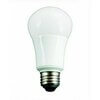
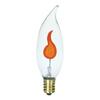
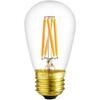
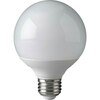
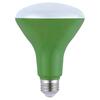
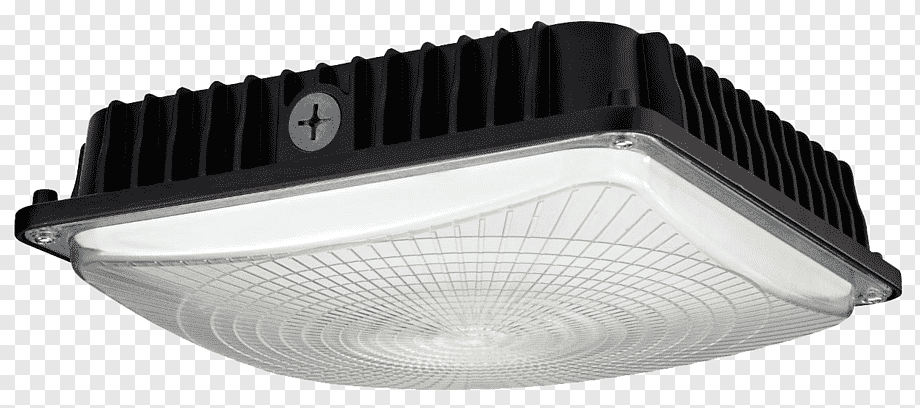
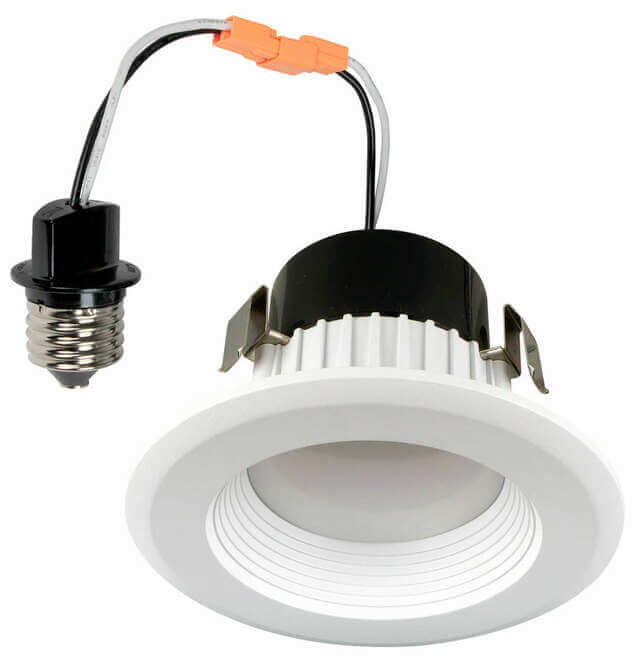
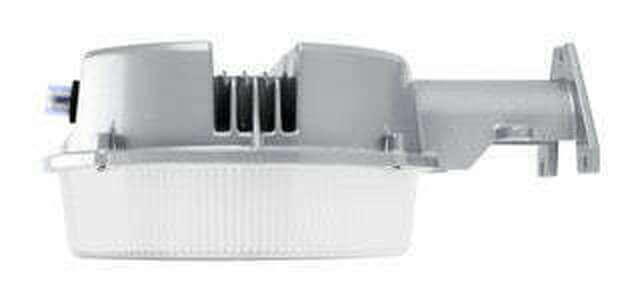

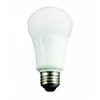


Comparison of 40 Watt and 60 Watt Bulbs
Choosing the right light bulb can be confusing. The decision often comes down to 40 watt vs 60 watt bulbs.
Both options have their unique benefits and drawbacks. Understanding these can help you make an informed choice.
A 40 watt bulb is typically more energy-efficient. It consumes less power, making it ideal for smaller spaces.
On the other hand, a 60 watt bulb provides more brightness. This makes it suitable for larger areas or tasks requiring more light.
Energy efficiency is a key factor to consider. It impacts both your electricity bill and the environment.
This guide will explore these aspects in detail, helping you choose the best bulb for your needs.
Understanding Bulb Wattage and Lumens
The term “wattage” often confuses many people. In simple terms, wattage measures a bulb’s energy use. However, it does not indicate brightness.
Lumens measure brightness. The higher the lumens, the brighter the bulb. A 40 watt bulb typically produces around 450 lumens. Meanwhile, a 60 watt bulb offers about 800 lumens.
Here’s a quick breakdown of key points:
- Wattage = Energy Consumption
- Lumens = Brightness
- 40 watt bulb = 450 lumens
- 60 watt bulb = 800 lumens
Understanding the difference between wattage and lumens is crucial. It helps in selecting the right bulb for your space.
Both factors play a significant role in lighting a room. Depending on your needs, you may prioritize either energy consumption or brightness.

Choosing the appropriate bulb involves more than just looking at wattage. Be sure to consider lumens to gauge actual brightness. Consider your specific requirements to achieve the desired lighting effect.
Brightness: 40 Watt Bulb vs 60 Watt Bulb
Comparing the brightness of different bulbs reveals unique insights. A 40 watt bulb outputs about 450 lumens. This level of brightness suits small rooms or cozy spaces.
Conversely, a 60 watt bulb produces approximately 800 lumens. It effectively lights up larger spaces. This bulb is ideal for areas requiring more illumination.
Consider these points when choosing brightness:
- 40 watt bulb: Good for ambient lighting
- 60 watt bulb: Suitable for task lighting
- More lumens: Equals brighter light
Knowing how bright each bulb is can alter the feel of a room. Brightness impacts both mood and functionality. Select a bulb that matches the purpose of the space.
Each bulb type has a role in interior lighting. The 40 watt bulb can create a relaxed, soft atmosphere. On the other hand, a 60 watt bulb brightens spaces to enhance visibility.

Ultimately, your choice will depend on the room’s needs. Consider whether you’ll use the space for relaxation or focused activities. Choose based on intended usage and desired ambiance.
Energy Efficiency and Consumption
Energy efficiency is key to selecting the right bulb. A 40 watt bulb consumes less power. This makes it more energy-efficient than a 60 watt bulb.
The energy consumption of a bulb affects monthly electricity bills. While a 60 watt bulb is brighter, it uses more power. This results in higher operating costs over time.
Switching to energy-efficient bulbs can significantly cut down expenses. Consider LED alternatives for both 40 watt and 60 watt bulbs. They offer substantial energy savings and longer lifespans.
Factors affecting energy efficiency:
- Wattage: Lower wattage equates to lower energy use
- Bulb type: LEDs and CFLs are more efficient than incandescent bulbs
- Usage: Limit use to necessary periods to save energy

by Russel Bailo (https://unsplash.com/@russellphotograpy)
Improving energy efficiency not only reduces costs but also minimizes environmental impact. More efficient bulbs require less energy. This results in fewer greenhouse gas emissions from power plants.
Choosing energy-efficient lighting aligns with sustainable living goals. Reducing energy use contributes to conservation efforts. It supports broader environmental objectives for the community.
Cost of Operation and Long-Term Savings
The cost of operating a light bulb is an important consideration. A 60 watt bulb consumes more electricity than a 40 watt bulb. This leads to higher energy costs over time. Reducing consumption can result in notable savings on electricity bills.
While energy-efficient bulbs like LEDs have a higher upfront cost, they offer long-term benefits. These bulbs last longer and consume less energy than traditional incandescent bulbs. Therefore, they provide significant savings in the long run. The lifespan of LEDs can reach up to 25,000 hours. This means fewer replacements and reduced maintenance costs.
When budgeting for lighting, consider these factors:
- Initial purchase cost of the bulb
- Lifespan of the bulb
- Monthly energy consumption
- Maintenance or replacement frequency

by Jason Leung (https://unsplash.com/@ninjason)
Investing in energy-efficient lighting can be financially wise. With government incentives, transitioning to sustainable lighting is more accessible. Long-term savings outweigh initial expenses, making energy-efficient bulbs an excellent investment for the future.
Usage Scenarios: Where Each Bulb Shines
Choosing the right wattage can enhance the functionality of a room. Understanding where each bulb excels is crucial for optimizing lighting.
A 40 watt bulb is ideal for ambient lighting or smaller spaces. It provides soft illumination, making it perfect for cozy settings like reading nooks or bedrooms. This wattage is also suitable for decorative fixtures that do not require intense lighting.
In contrast, a 60 watt bulb is better suited for larger areas. Its higher brightness makes it excellent for kitchens, living rooms, or workspaces. It delivers ample light for activities that require more visibility.
Consider your specific needs when selecting bulb wattage:
- Desired brightness level
- Function of the room
- Size of the space
- Fixture type
Both bulb types have specific roles to play. Matching the bulb to the room’s purpose ensures optimal lighting. Proper lighting can transform spaces, enhancing both style and function.

by Alexander Psiuk (https://unsplash.com/@alexdeloy)
Select the bulb that aligns with each room’s needs. Whether creating a relaxing ambiance or brightly lighting a workspace, the right choice will enhance comfort and utility.
Color Temperature and Ambiance
The color temperature of a bulb greatly influences the mood of a room. It ranges from warm to cool tones, measured in Kelvin (K).
Warm light, found in bulbs rated around 2700K, emits a cozy yellow glow. This temperature is ideal for living rooms and bedrooms where a relaxing ambiance is desired.
Cool light, generally above 5000K, offers a crisp and energetic atmosphere. Such bulbs are suitable for offices or kitchens needing a stimulating environment.
When selecting a bulb, consider these aspects:
- The desired ambiance for the room
- Compatibility with existing decor
- Time of day the room is most used
Choosing the right color temperature can transform a room’s feel. Whether seeking calm or vibrancy, understanding and applying this concept will help create your desired ambiance. With myriad options available, finding the perfect match for your home’s aesthetic is achievable.
LED and CFL Alternatives to 40W and 60W Bulbs
LED and CFL bulbs offer a modern twist to the classic 40W and 60W incandescent bulbs. These alternatives are not only energy-efficient but also long-lasting.
LED bulbs can save up to 80% in energy costs compared to traditional incandescent bulbs. They provide equivalent brightness while using significantly less energy.
CFL bulbs offer a middle ground with reasonable efficiency and lifespan. They consume less energy than incandescent bulbs but more than LEDs.
When switching to LED or CFL options, consider these benefits:
- Reduced energy consumption
- Longer lifespan
- Lower heat output
- Variety in brightness and color temperature

by Mitchell Luo (https://unsplash.com/@mitchel3uo)
Incorporating LED or CFL bulbs can lead to substantial savings over time. Their extended lifespan means fewer replacements, reducing environmental waste. As these technologies advance, they present an increasingly viable option for those seeking sustainable lighting solutions.
Whether you prioritize cost savings or eco-friendliness, LED and CFL alternatives cater to diverse needs, promising efficient and modern lighting for your home.
Environmental Impact and Sustainability
Choosing energy-efficient bulbs impacts the environment significantly. LEDs and CFLs produce less carbon emissions than incandescent bulbs.
These modern bulbs last much longer, reducing landfill waste. Longer lifespans also mean fewer resources used for production and transportation.
Consider the environmental advantages of efficient lighting:
- Lower greenhouse gas emissions
- Reduced waste in landfills
- Less resource consumption for manufacturing
- Decreased reliance on energy sources

by Rich Smith (https://unsplash.com/@richwilliamsmith)
When selecting between 40W and 60W bulbs, consider their sustainability. LEDs shine in eco-friendliness, with CFLs close behind. The upfront cost may be higher, but the long-term benefits to the planet and your wallet are undeniable.
Opting for energy-efficient lighting is a small step toward a more sustainable future. These choices help lessen the ecological footprint of our daily lives.
Fixture Compatibility and Safety Considerations
When choosing between 40 watt and 60 watt bulbs, compatibility with your fixtures is crucial. Each fixture has specific wattage limits.
Exceeding these limits can lead to overheating and potential fire hazards. Always check the fixture for its maximum wattage specification.
Some key factors to ensure safe bulb usage include:
- Matching bulb wattage to fixture limits
- Ensuring compatibility with dimmers if using dimmable bulbs
- Verifying the bulb type (LED, CFL, incandescent) for fixture suitability

by Pawel Czerwinski (https://unsplash.com/@pawel_czerwinski)
Using the wrong bulb type or wattage can also affect the fixture’s lifespan. Always follow the manufacturer’s guidelines to ensure safety. Proper installation practices enhance safety, prolonging fixture and bulb lifespans. Prioritizing compatibility and safety leads to better performance and longevity in home lighting systems.
Dimmable Options and Lighting Control
Dimmable bulbs offer flexibility in controlling the light’s intensity, setting the mood with ease. Both 40 watt and 60 watt bulbs can come in dimmable options.
Using dimmable bulbs requires compatible fixtures and dimmer switches. Not all fixtures support dimming, so compatibility is key.
Consider these factors for effective lighting control:
- Verify fixture and dimmer compatibility with the bulb
- Use bulbs marked as dimmable for better performance
- Adjust lighting levels to match activity needs
Dimming lights not only enhances ambiance but also offers energy savings. Dimmable bulbs allow you to fine-tune brightness levels for various settings, providing comfort and energy efficiency.
Making the Right Choice: Key Factors to Consider
When choosing between a 40 watt and a 60 watt bulb, consider the room size and lighting needs. A smaller room might not need as much brightness, making a 40 watt bulb suitable.
Think about energy use and long-term cost savings. A 60 watt bulb uses more energy than a 40 watt bulb, impacting your electricity bill.
Here are some factors to keep in mind:
- Room size and brightness needs
- Energy consumption and cost
- Functionality and room ambiance
Remember also to check the fixture compatibility. Not all fixtures are made for every wattage, so ensure your bulb choice is safe. By considering these key factors, you’ll ensure a practical and satisfactory choice for your lighting needs, aligning with both your utility bills and your desired ambiance.
Frequently Asked Questions
1. How much brighter is a 60 watt bulb compared to a 40 watt bulb?
A 60 watt bulb emits about 800 lumens, whereas a 40 watt bulb emits around 450 lumens. This means the 60 watt bulb is nearly twice as bright, ideal for larger areas needing more light.
2. Are LED replacements available for 40 watt and 60 watt bulbs?
Yes, LED replacements are available for both. They offer higher energy efficiency and can drastically cut your energy expenses over time.
3. What are the typical uses for a 40 watt bulb?
A 40 watt bulb suits ambient lighting or smaller spaces like closets and bedside lamps, where soft lighting is adequate.
4. Can a 40 watt bulb be used in a 60 watt fixture?
Generally, yes, as long as the fixture supports lower wattages. Always check manufacturer guidelines to prevent electrical issues.
5. How does bulb wattage affect energy bills?
Higher wattage increases energy consumption, leading to higher electricity bills. Thus, a 60 watt bulb costs more to operate than a 40 watt bulb.
6. Do energy-efficient bulbs have a noticeable impact on the environment?
Absolutely. By using energy-efficient options like LED or CFL, you reduce your carbon footprint and benefit from lower energy usage over the bulb’s lifespan.
Conclusion: Which Bulb Is Best for You?
Choosing between a 40 watt and 60 watt bulb largely depends on your specific needs. Consider the space’s size and lighting requirements. A 60 watt bulb suits larger areas where more light is essential.
For cozy spaces and smaller rooms, a 40 watt bulb can create the right ambiance. It’s also more energy-efficient, saving on electricity costs. Evaluate whether the brightness or energy savings is more important to you.
Additionally, remember the available alternatives like LED and CFL bulbs. They offer superior energy efficiency and longer lifespans. Investing in these options can benefit both your wallet and the environment in the long run.