


















Lighting is much more than merely what helps us see. Proper indoor lighting creates the atmosphere in the room, brings out beautiful design features, and simplifies daily tasks. There are usually three types of lighting discussed by interior designers, ambient lighting, task lighting and accent lighting. The knowledge of the distinctions between them can entirely transform the appearance and feel of a space.
A lot of house owners are looking up such queries as what is ambient lighting, what is accent lighting, or how does ambient lighting compare to accent lighting in interior design. The reality is that expansive spaces hardly use a single source of light. They would rather integrate all three to form stable and operational environments.
This guide by Lighting and Supplies explains the ambient task and accent lighting and how each of them operates, and how you can combine them to make beautiful and comfortable rooms.
What Is Ambient Lighting?
When individuals enquire about what ambient lighting is, they are referring to the primary lighting source within a room. Ambient lighting is used to give a general light illumination to make the whole room bright and comfortable.
What does ambient lighting mean in simple terms?
The meaning of ambient lighting can also be defined as the overall lighting of a room. The bottom layer of light is the one that occupies the whole space and enables individuals to move freely.
Imagine that it is the pillar of your lighting plan. A room would not feel the same without it, as it would be dark and not sufficiently illuminated.
Common examples of ambient lighting
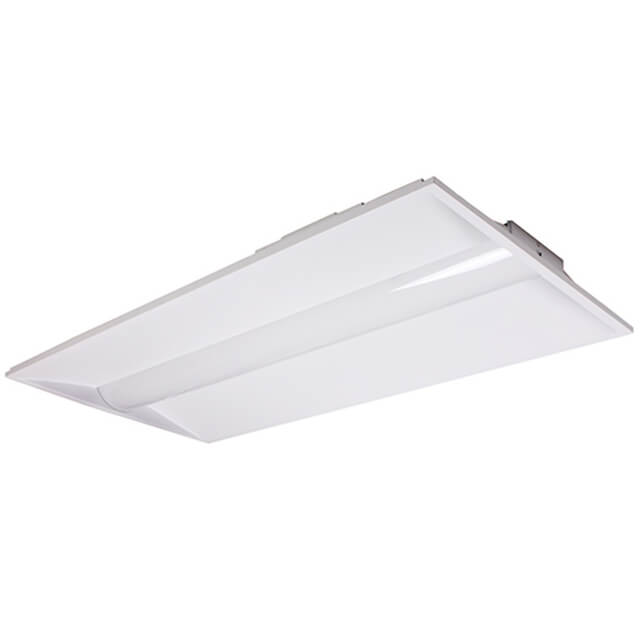
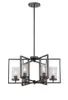
Ambient lighting is typically provided by fixtures that distribute the light in the whole room. Examples of some common ones are:
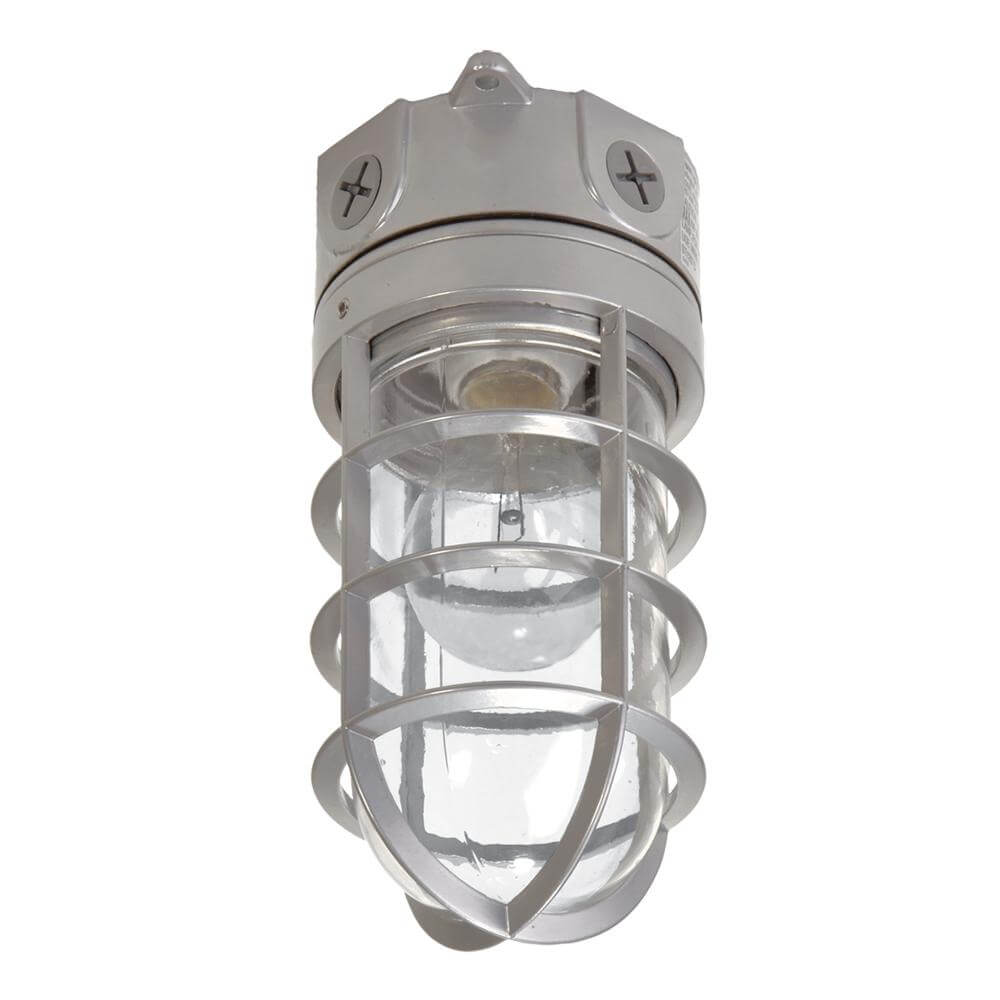
- Flush mount fixtures
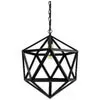
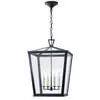
- Large pendant lights
The daylight light could also be used as ambient light since there may be natural light entering through the windows.
The interior designers usually suggest that ambient lighting should be installed first and then other illuminations. After having the main light layer, one can add more lighting to enhance functionality and style.
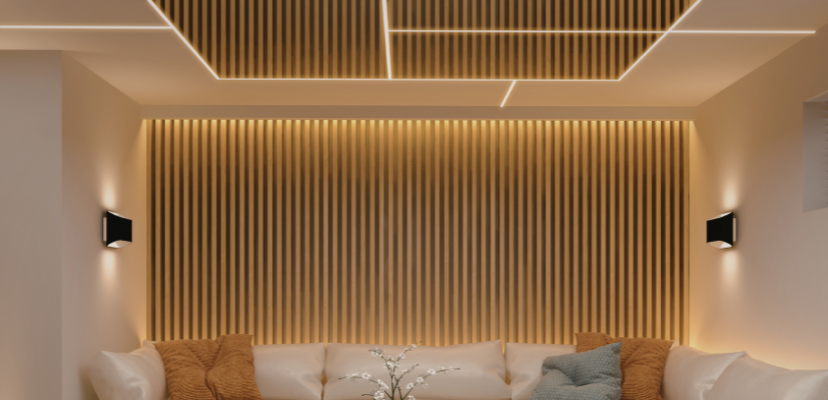
Why is ambient lighting important?
The ambient lighting is a major contributor toward creating a comfortable atmosphere. An area, which does not have adequate general lighting, may appear dark, gloomy or even unsafe.
Good ambient lighting helps:
- Light up the room completely.
- Fewer shadows and dark corners.
- Provide a friendly environment.
- Assist in the other lighting layers.
Due to this fact, ambient lighting has been regarded as the most essential part of a lighting plan.
What Is Task Lighting?
Task lighting is focused on specific tasks and is applied on certain tasks, but the ambient lighting is applied on the entire room. As the name suggests, task lighting is intended to make things easier and more secure.
Task lighting explained
Task lighting is a type of lighting that gives a focused light to the activities which need to be seen. This is a form of lighting that allows one to minimize eye strain and improve concentration in finer work.
The activities that are normally preferable to the application of task lighting are:
- Reading
- Cooking
- Studying
- Applying makeup
- Working at a desk
These activities would not be comfortable without adequate lighting of the task, as the eyes have to strain to see better.
Common examples of task lighting
Some of the most favorable task lights fixtures are:
-
- Desk lamps
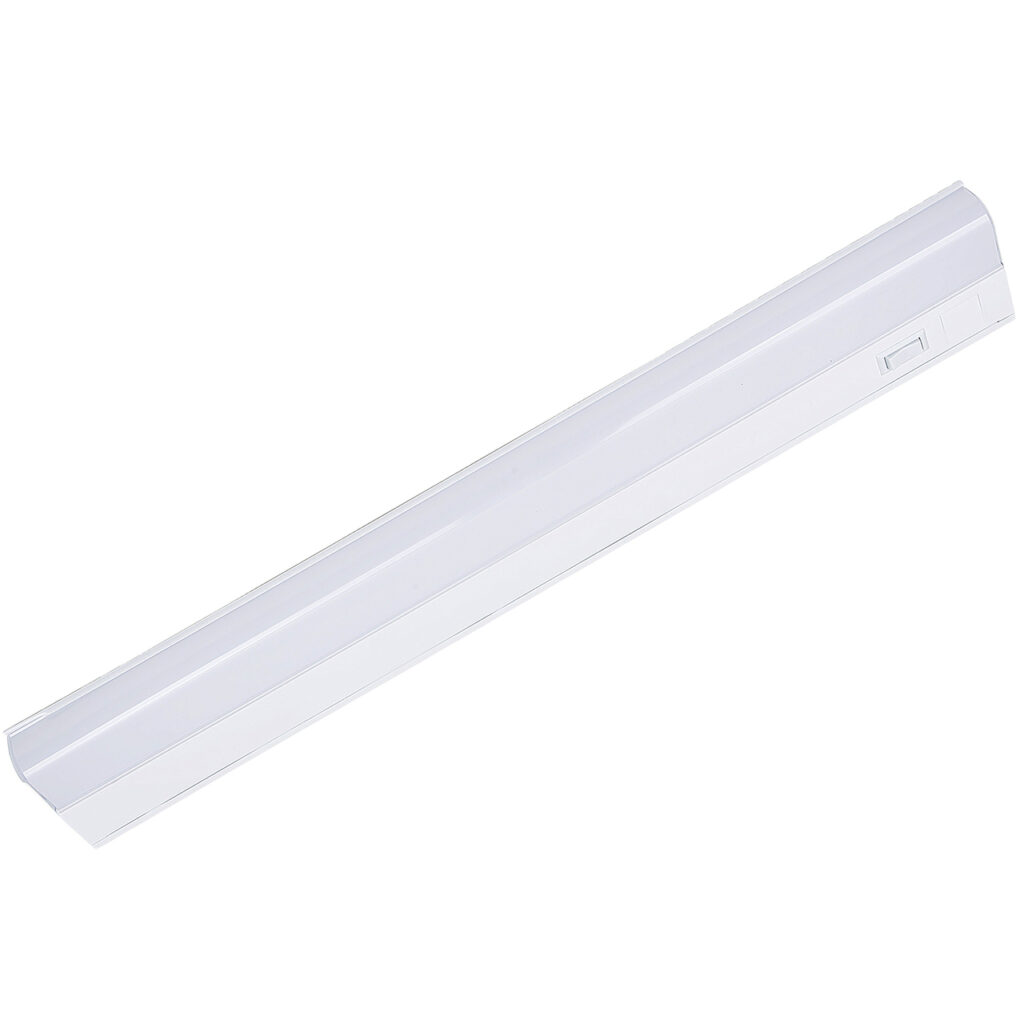
- Under-cabinet lighting, kitchen.
- Reading lamps
- Adjustable floor lamps
These lights are normally put near the area where the activity takes place and they focus light where it is required.
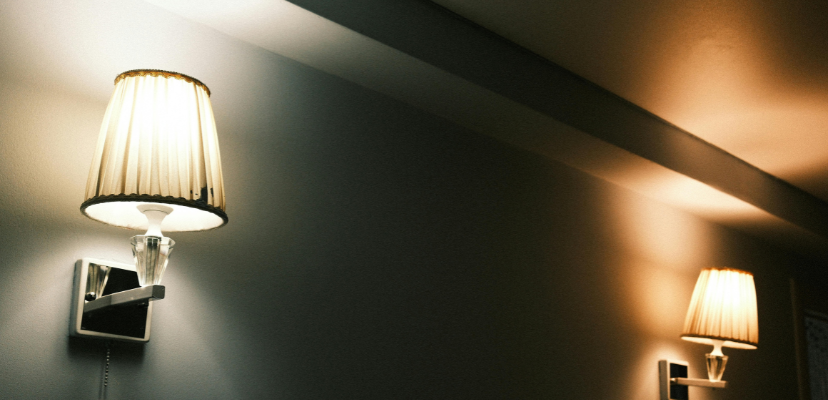
How does task lighting enhance daily living?
It is easy to work with the help of good task lighting that makes people more efficient and comfortable. As one illustration, under-cabinet lighting would facilitate food preparation in the kitchen. A concentrated lamp at a desk eases the strain on the eyes and increases reading or writing comfort.
Task lighting when used with ambient lighting produces a functional and comfortable space.
What Is Accent Lighting?
The other question that most house owners will ask themselves is what is accent lighting and how it compares with other types of lighting.
Accent lighting is designed to highlight some aspects in a room. This type of lighting makes one concentrate on certain objects or areas rather than bringing light to the whole area or helping in an activity.
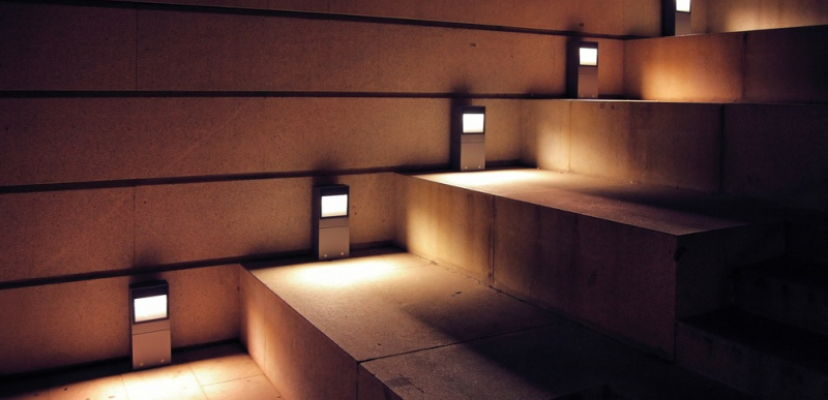
Accent lighting in interior design
Such lights in interior design is meant to ensure that a room is attractive to look at and is deep. Designers often use accent lighting to emphasise a work of art, building or ornamentation.
The accent lighting may include:
- Wall spotlights
- Picture lights
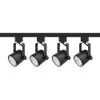
- Track lighting
- LED strip lights
- Display cabinet lighting
Such lights tend to be brighter and narrower in scope than the ambient lights since they are supposed to highlight something.
Why accent lighting matters
Accent lighting brings the personality and depth of a room. Without it, there is a risk that a room will be flat and less interesting to look at.
Accent lighting can be used to:
- Highlight artwork or décor
- Produce visual effects that are dramatic.
- Add warmth and atmosphere
- Improve architectural characteristics.
Due to this fact, accent lighting is always the last thing to do in the interior design.
Differences Between Accent, Task, and Ambient Lighting
The variations between ambient lighting, task lighting, and accent lighting can be understood in order to design a balanced lighting scheme in every home. They are of various types each purpose, the overall brightness as well as the accentuation of particular features.
The comparison of these three lighting types is as discussed in the following table.
| Aspect | Ambient Lighting | Task Lighting | Accent Lighting |
| Primary Purpose | Lighting of the whole room. | Gives concentrated light on the targeted tasks. | Emphasises decor, artwork or architecture. |
| Lighting Focus | General lighting that illuminates the room.
ts or regions. |
Intense lights focused on working spaces. | A beam that is confined to the object |
| Main Function | Serve as the primary source of light in an area. | Assistance in activities such as reading, cooking or working. | Brings a variety and depth to a room. |
| Common Fixtures | Sconce lighting, Ceiling lighting, & chandeliers | Desk lamps, under-cabinet lamps, reading lamps. | Spotlights, track lights, wall lights. |
| Brightness Style | Soft and evenly distributed | Bright and focused | Bright but spotlighted at a feature. |
| Best Locations | Family rooms, bedrooms, corridors, and general rooms. | Study area, offices, kitchens. | Living rooms, display areas, galleries. |
A combination of the three types of lighting gives a layered lighting design. The bottom layer is ambient lighting, task lighting is used to enhance functionality, and accent lighting is used to enhance the appearance of a space.
All three are usually suggested by interior designers as the greatest way to neutralize between the comfort, practicality, and style.
Choosing the Right Lighting for Each Room
Each room in a house requires lights in varying degrees. The knowledge of the combination of ambient lighting, task lighting, and accent lighting can be used to make beautiful and functional spaces.
Living rooms
Living rooms use soft ambient lighting with floor lamps and accent lights that emphasize decor or artwork.
Kitchens
Kitchens need high ambient lighting and task lighting above counter tops and cooking stations.
Bedrooms
In bedrooms, the ambient lighting is usually soft, and bedside lamp is used to read as well as accent lighting to provide a calming effect.
Bathrooms
Bathrooms are well-lit with bright task lighting by the mirrors and general ambient lighting, which is used to illuminate the room.
An appropriate mix of lighting layers causes the different rooms to do their designated purpose without being accompanied by a chilly environment.
Why Lighting Design Matters
The impact of lighting in the feel and functions of a space is significant. The good light can turn the most beautiful room to a comfortable one and poor lights may turn even the most beautiful room into a nightmare.
Homeowners can become smarter in how they design their interiors by knowing what is meant by ambient lighting, how is it possible to use accent lighting, and when should they use task lighting.
Final Thoughts
One of the most effective interior design tools is lighting. Ambient lighting, task lighting and accent lighting can help you create comfortable, functional and stunning spaces.
Ambient lighting is the general illumination that fills a room. Task lighting is used in daily activities that need concentrated light. Accent lighting emphasizes the design features and provides a space with personality.
When all these three layers of lighting are stacked up, one can easily feel that the environment has been well balanced making it practical and welcoming.
When redesigning a room or simply replacing your lighting fixtures, knowing the difference between the two types of lighting can make you design a house that will be more comfortable and attractive to look at each and every day.