



















U.S. lighting has been the talk of the town and everyone is interested to know what happens next. There are multiple studies exploring the market trends and how it can impact the future of U.S. lighting. For instance, according to the Data Bridge Market Research, it could reach $3.35 billion by 2031, growing at a rate of 3.7% each year. There’s a lot more going on in the background, let’s take a deeper look at the future of U.S. lighting in the years to come.
Key Factors Driving Market Growth
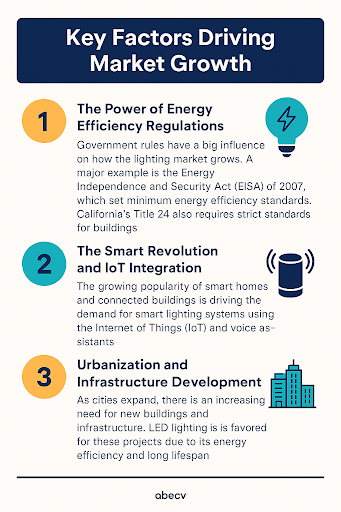
Market growth is driven by many factors working together, not just one. This creates a stable market that is ready to grow. Let’s discuss what goes on in the background.
Energy Efficiency Regulations
Government rules have a big influence on how the lighting market grows. A major example is the Energy Independence and Security Act (EISA) of 2007. This act has set a minimum energy efficiency standard. While it doesn’t directly ban incandescent bulbs, it has made it almost impossible to use the energy wasting versions to meet new requirements.
Similarly, on the state level, California’s Title 24 plays a strong role. It calls for strict energy efficiency standards for both new buildings and renovations, which has sped up the use of advanced lighting solutions, such as LEDs, motion sensors, and dimmers.
Smart Revolution and IoT Integration
The rise of smart homes and connected buildings is really shaking things up in the lighting world. People are loving lighting systems that work with the Internet of Things (IoT) and voice assistants like Alexa or Google Assistant. It’s all about convenience! Adjusting brightness, color, or setting schedules is now as easy as using an app or giving a voice command.
But it’s not just about comfort. Smart lighting helps save energy too. Lights can automatically dim or turn off based on movement or the time of day. That’s a win-win, especially in places like offices, hospitals, and homes where both comfort and efficiency matter.
Urbanization and Infrastructure Development
As cities across the U.S. keep expanding, there’s a growing need for new buildings and updated infrastructure, think homes, offices, and even public lighting like streetlights.
LED lighting is quickly becoming the go-to option for these projects. Why? It’s energy-efficient, lasts way longer, and gives off better quality light. That’s why many local governments are swapping out old street lights for LEDs, to lower electricity bills and reduce how often they need to send someone out for repairs. It’s a smart move all around.
Market Segmentation: A Closer Look
The U.S. lighting market is divided into several important segments, based on the type of technology used:
1. By Technology:
LEDs (Light Emitting Diodes) are leading the way in the lighting world right now—and their popularity is only expected to grow. In fact, the LED market is projected to jump from $12 billion in 2024 to $18.41 billion by 2031, growing at a steady rate of about 5.5% each year.
What’s driving this growth? A few big things:
- LED prices are coming down
- They use way less energy
- They last much longer
- And they simply offer better light than old-school bulbs like incandescent or fluorescent ones
Smart Lighting On The Rise
Smart lighting is quickly becoming one of the most popular choices in both homes and workplaces. Why? Because it gives people more control, helps automate their spaces, and saves energy. With these systems, you can use an app on your phone to turn lights on or off, set timers, or even have them respond to motion.
As more buildings become “smart” and tech-driven, smart lighting is expected to grow even more, bringing with it newer, better, and more efficient lighting options.
2. By Application:
Indoor Lighting Leads
Indoor lighting is taking the lead in the market right now, making up about 65% of all revenue in 2024. What’s driving this growth?
- New commercial spaces are being built
- More homeowners are switching to smart lighting
- There’s a growing interest in lighting that looks good and also feels good.
Read our trending blog on: Trends in Commercial Indoor Lighting 2025: What’s New and What’s Next?
Outdoor Lighting Gains Momentum
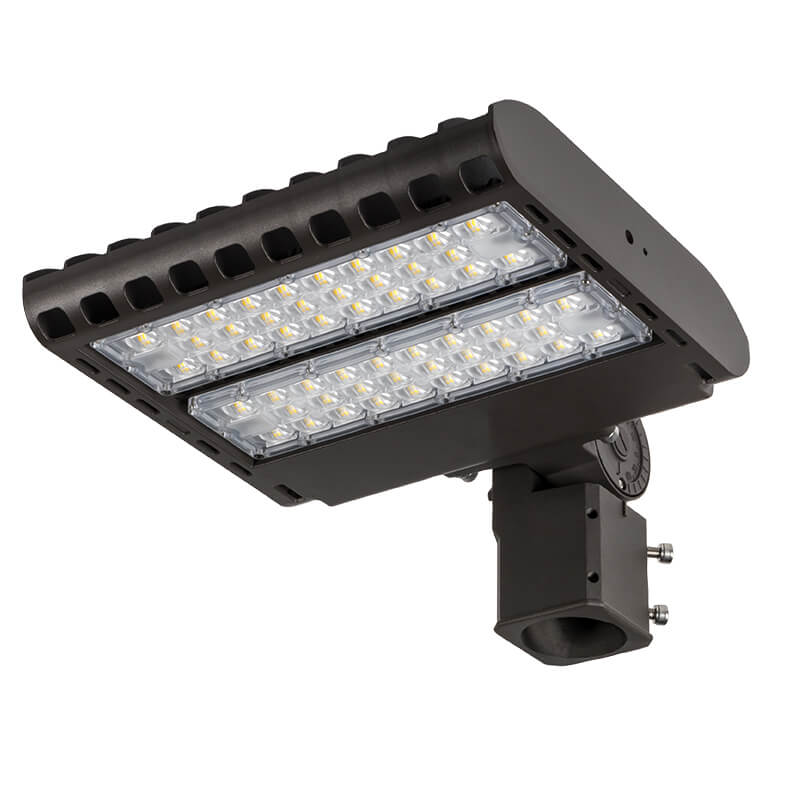
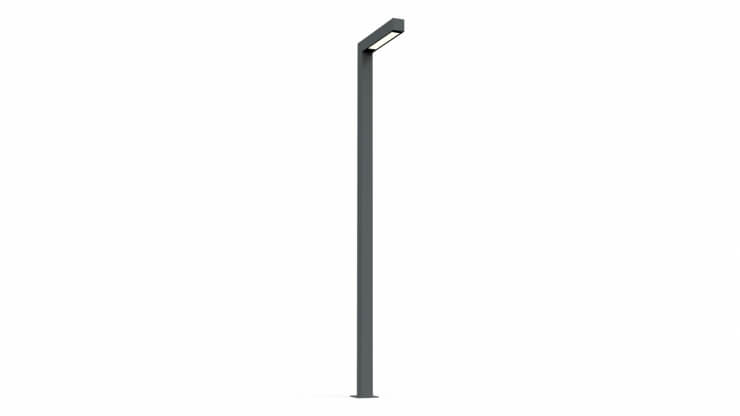
Outdoor lighting is picking up pace too, especially when it comes to streetlights and industrial areas. More cities are swapping out their old systems for LED streetlights because they use less energy and last much longer.
These upgrades don’t just save money, they also make streets safer and more reliable. That’s why outdoor lighting is becoming an important part of the market’s growth story.
3. By End-User:
Commercial Sector
The commercial sector is the biggest user of advanced lighting technologies. Businesses are making the switch because:
- They can save a lot on energy costs
- They need to meet energy efficiency regulations
- They want to create better, more comfortable workspaces with lighting that boosts productivity and well-being
Check this out: Top 10 Commercial Lighting Trends for 2025: A Glimpse into the Future
Residential Sector
Home lighting isn’t just about brightness anymore, it’s about style, comfort, and even health. More people are switching to smart lighting for the convenience of controlling lights from their phones and for better energy use.
There’s also a growing interest in human-centric lighting, which can help boost your mood and support natural sleep cycles. It’s lighting that works with you, not just for you.
How To Face Challenges and Make The Most of Them?
The U.S. lighting market is on the rise, but it’s not without a few bumps in the road.
- Supply Chain Issues: Global issues like material shortages and shipping delays can make it harder (and more expensive) to get lighting products on time.
- Quality Concerns: There’s also a growing problem with low-quality, fake LED products flooding the market. These not only disappoint customers but also hurt the reputation of trustworthy brands.
However the good news is that these challenges open the door for reliable companies to shine by focusing on quality, transparency, and solid supply strategies.
There’s a huge opportunity in updating older buildings across the U.S. Many of them still rely on outdated lighting systems that waste energy. By switching to modern, energy-efficient LEDs, these spaces can save money and perform better.
At the same time, new lighting technologies are opening exciting doors. Things like Li-Fi (which uses light to send data) and human-centric lighting (which mimics natural daylight to boost well-being) are gaining attention. As more people look for smarter and healthier environments, these innovations are set to play a big role in the future of lighting.
Regional and Sector-Specific Insights
North America makes up about 29.9% of the global lighting market, with the U.S. leading the way in smart city projects. These projects often involve using smart, energy-efficient lighting systems.
Different sectors are also showing unique trends:
Commercial offices and retail spaces are increasingly seeking adaptive lighting systems. These systems are designed to:
- Improve customer experiences in stores
- Boost productivity and well-being for employees in offices
- Save on energy costs, making operations more efficient
What Happens Next
The way we light up the U.S. is about to change a lot and get much bigger by 2031. This is happening because of rules that say lights need to use less energy, because smart technology is becoming super popular, and because cities are growing and building more.
Of course, there will be some bumps in the road, like when it’s hard to get the parts to make lights, and when some cheap lights aren’t very good. But there’s also a big chance to make things better.
For companies to do well with all these changes, they’ll need to come up with new ideas, make sure their products are good quality, and take advantage of any help the government offers for eco-friendly lighting. And if you need help figuring out new lights or the latest technology, Lighting and Supplies can help you find your way and choose the best lighting solutions.