
















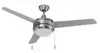

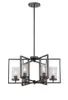

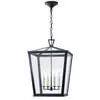

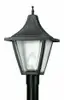
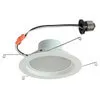
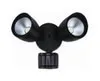
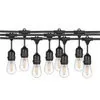





So, you have a project that needs new lighting – maybe a home renovation, a new office build-out, or a retail space update. Now you’re facing a common question: do you buy lighting fixtures directly from a lighting supplier, or let your contractor handle it?
It’s a bit of a lighting supplier vs contractor dilemma. In this post, we’ll chat about the differences between these two approaches in everyday language so you can decide what’s best for your project. No fancy jargon here – just real talk on costs, convenience, and getting the right lights.
Buying Direct from a Lighting Supplier (DIY Shopping for Lights)
Buying direct means you, the buyer, go straight to a lighting supplier or distributor to purchase your light fixtures. This could be an online store like us at Lighting and Supplies or a local lighting showroom. Essentially, you’re cutting out the middleman (the contractor) and dealing with the source for your lighting.
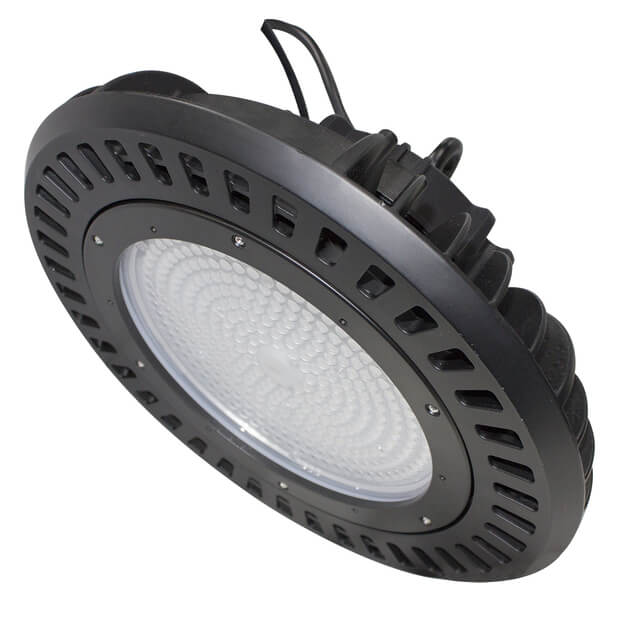
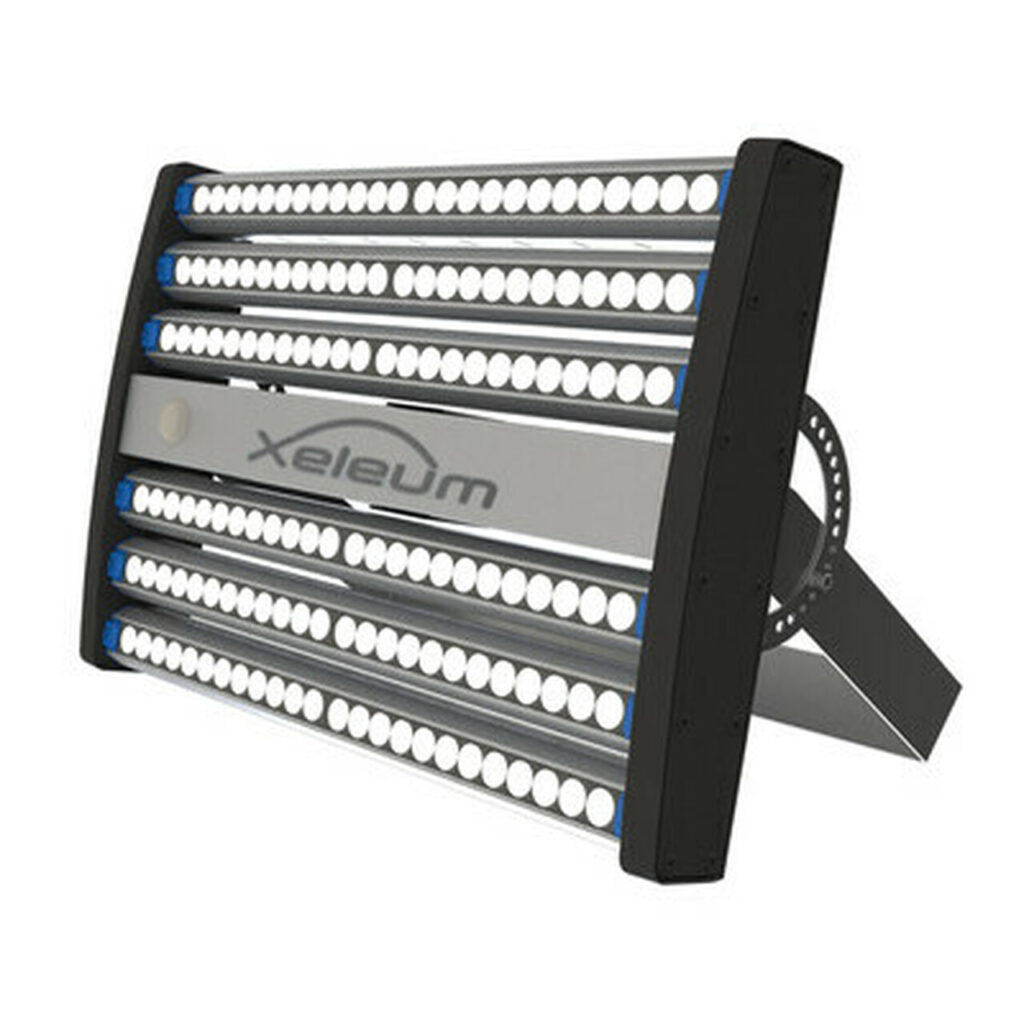
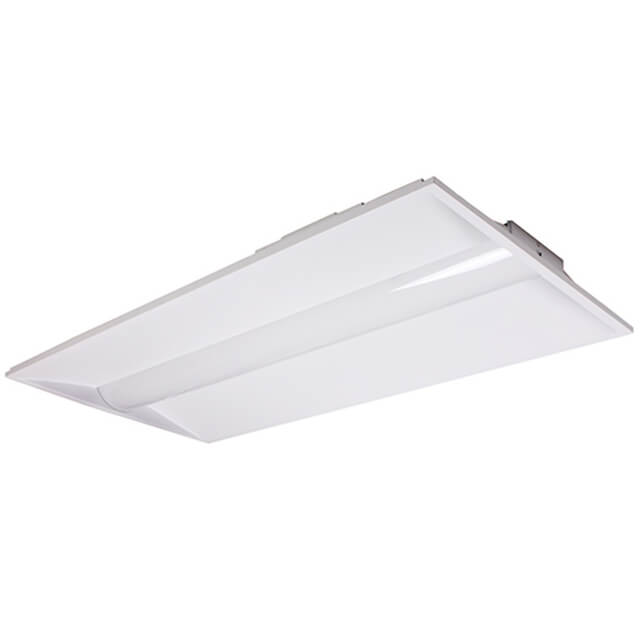
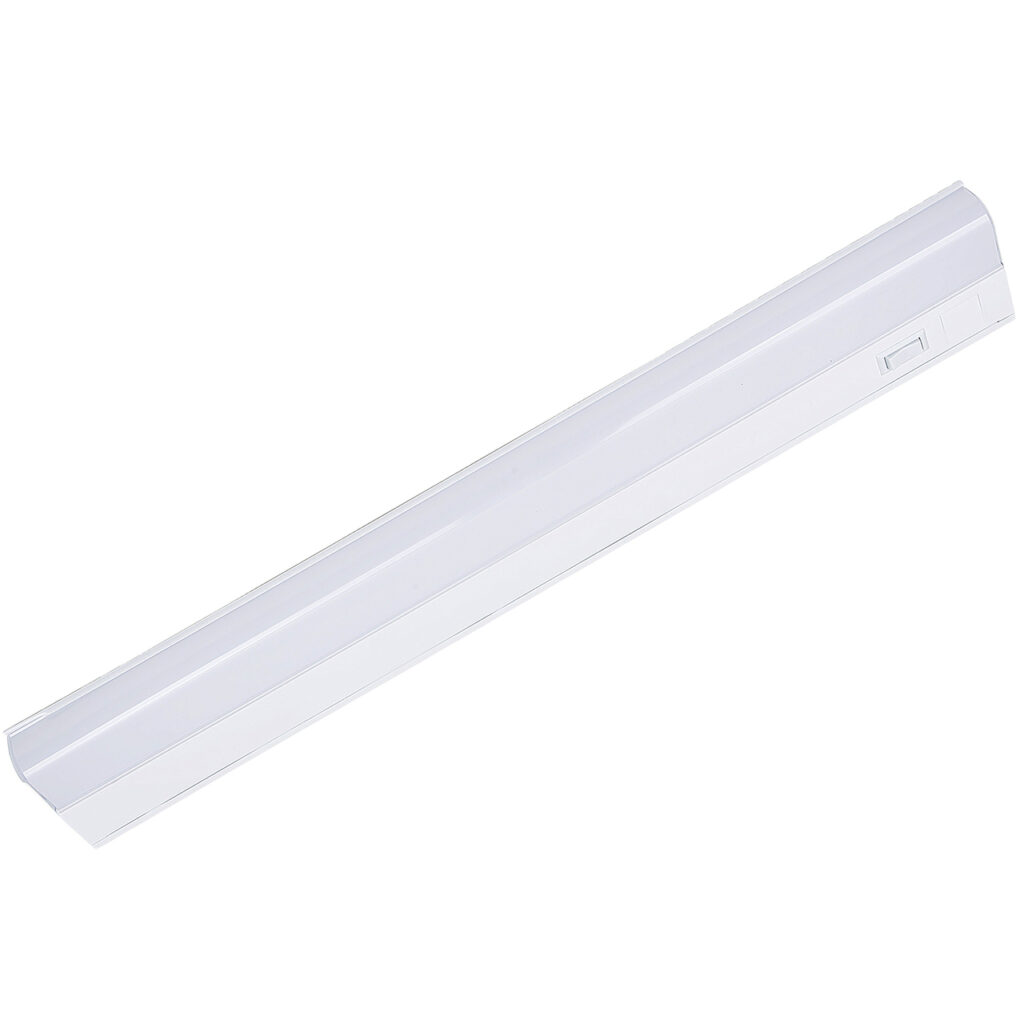
What’s that like? Imagine browsing a huge catalog of lights – from sleek modern pendants to heavy-duty commercial lighting fixtures – and picking exactly what you want. You might talk to the supplier’s sales or support team to get advice on which residential lighting fixtures match your living room or which high-bay LED lights are best for your warehouse. You make the choices, place the order, and get the fixtures delivered. After that, you can have an electrician or your contractor install them, but you supplied the goods.
Perks of buying direct: Going direct to a lighting supplier has some big benefits:
- Better Pricing: You avoid the extra markups that a contractor might add. (Contractors often add their own margin on lighting fixtures!). By buying from a residential or commercial lighting supplier, you’re likely getting the fixtures closer to wholesale prices, which can save you a chunk of money.
- Bigger Selection: Lighting suppliers typically offer a huge range of products. Many lighting manufacturers only sell through distributors or suppliers, which means a well-connected lighting supplier can offer you far more choices than a single contractor could.
- Expert Support: When you deal directly with a lighting supplier, you get to tap into their expertise. These folks eat, sleep, and breathe lights. They can help you figure out the difference between two similar LED panels, suggest energy-efficient options, or ensure you have the right bulbs and dimmers for your fixtures.
- Control and Transparency: Buying the lights yourself means you know exactly what you’re getting and what you’re paying. You’ll see the prices, specifications, warranty info, etc., directly. If a fixture has a 5-year warranty, that warranty is yours – not your contractor’s.
Of course, with great power comes great responsibility. When you buy direct, you also take on the tasks a contractor would handle: comparing products, managing the order, and coordinating delivery. If a shipment is late or a fixture arrives broken, you’ll be the one contacting the supplier (though a good supplier will help sort it out quickly).
Going Through a Contractor (One-Stop Project Management)
On the flip side, you can choose to have your contractor source the lighting for you. This is pretty common in full-service construction or renovation projects. Basically, you tell the contractor (or an electrician) what you need or the style you’re going for, and they handle the rest – purchasing the fixtures and then installing them as part of the project.
Why do this? The biggest reason is convenience. It’s a hands-off approach for you. Here’s what going through a contractor usually looks like:
- They handle the shopping: You might give some input (e.g., “I like black fixtures” or “We need energy-efficient office lighting”), or your interior designer provides a lighting plan. The contractor then contacts their go-to commercial lighting supplier or local electrical supply house and picks out fixtures that fit the bill. They often have preferred brands or models they’ve used before.
- They manage logistics: The contractor will order the products, schedule the delivery to the job site, and handle any issues like wrong shipments or damaged goods. You won’t have to track packages or wait on hold if something is missing – it’s their job to make sure the right lights show up when needed.
- Installation and integration: Since the contractor is also installing the lighting (or coordinating the electrician on site), they’ll make sure all the parts and pieces work with your project. For example, if a certain recessed light housing is needed for your ceiling type, they will choose the correct one. It’s a seamless part of the larger project workflow.
When it’s smooth, you hardly have to think about lighting at all – it just gets taken care of as part of the build. However, there are a few trade-offs with the contractor route:
- Higher Cost: Convenience comes at a price. Contractors don’t source lighting for free – they usually add a markup for the time and effort.
- Limited Selection (potentially): A contractor might not scour the entire market for the perfect chandelier you envisioned; they’ll likely stick to a few suppliers or brands they know well. This can sometimes mean fewer options presented to you.
- Less Transparency: When the contractor handles purchasing, you often don’t see the itemized costs of each fixture (unless you demand receipts). You get a bill for the project or a line item for “lighting package,” which might not break down the markup.
All that said, contractors do bring a lot of value in terms of making your life easier. They often have experience and can make good choices on reliable products. And if something goes wrong during installation or with a fixture, they will troubleshoot it as part of the project – you’re not left figuring it out alone.
Where to Buy Lighting for Project – Making the Decision
By now, you might have a sense of which route suits you, but let’s quickly recap in plain terms to help you decide:
- Go with a Contractor if you really value convenience and don’t mind paying a bit extra for it. This path is great when you have a lot on your plate, or you trust your contractor’s taste and just want the lighting handled without your involvement.
- Buy Direct from a Lighting Supplier if getting the best price and exactly what you want matters most. This is ideal if you have a budget to watch or you have a specific vision for your lighting. You’ll likely save some money and end up with the perfect fixtures that make you happy every time you flip the switch.
Remember, there’s no one-size-fits-all answer. For a small home project, buying direct is usually a no-brainer (why pay a premium for something you can easily do yourself?). For a massive project, you might mix approaches: maybe you let the contractor handle the utilitarian lighting but you personally source the statement piece pendants you love. It’s your project, and you have options.
Ready to Light Up Your Next Project?
At the end of the day, whether you go directly to a lighting supplier or through a contractor, the goal is the same: getting the right lighting for your space, at a price you’re comfortable with, and with as little stress as possible. Both paths can work, but they feel very different in terms of involvement and cost.
If you’re leaning towards taking control of your lighting choices (and saving some money along the way), why not give a dedicated supplier a try? In fact, you don’t have to look far – We at Lighting and Supplies are a fantastic example of the kind of one-stop, friendly lighting supplier you need.
We cover everything from commercial lighting fixtures to residential lighting fixtures, and we’ve got the customer service and expertise to make it a breeze. So, next time you’re figuring out where to buy lighting for your project, consider reaching out to us at Lighting and Supplies.