








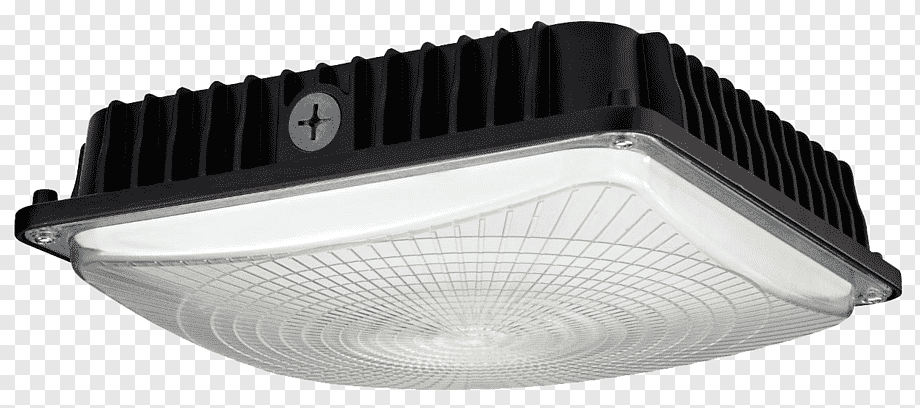
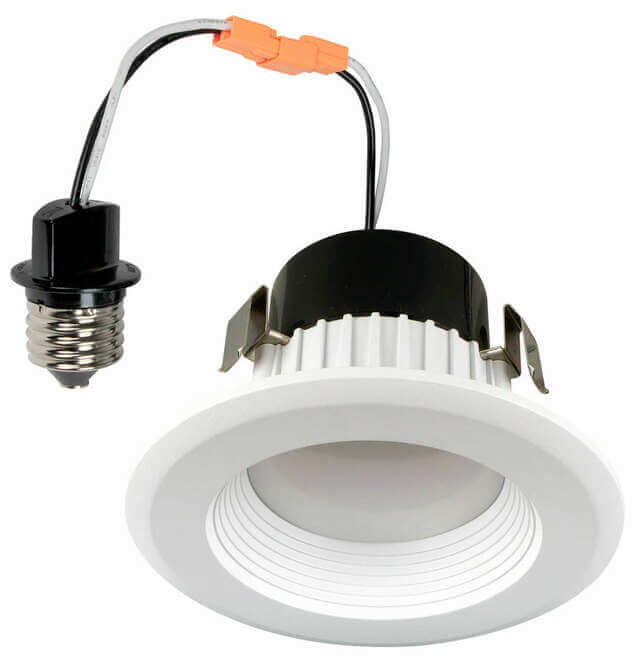
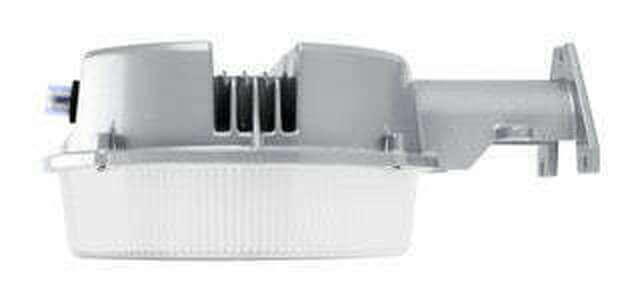










Lighting isn’t just about flipping a switch anymore—it’s become a powerful piece of the sustainability puzzle. Today, it’s about how much energy we save, how we cut long-term costs, and what kind of impact we leave on the environment. In fact, with growing climate concerns and the rising cost of electricity, the question isn’t just what kind of light do you want—it’s how responsibly was that light produced, and how efficiently does it run?
That’s where state energy policies come in. All across the U.S., local governments are turning up the dial on lighting regulations to help curb energy waste and reduce carbon emissions. From banning outdated bulbs to offering incentives for LED lighting, these policies are reshaping the market for both Commercial Lighting and Residential lighting.
In this article, we’ll explore how different states are driving that change, what it means for your home or business, and how staying ahead of these regulations can lead to long-term savings and smarter lighting decisions. Because in the new world of energy-conscious living, lighting is not just a product, it’s a responsibility. Let’s understand why.
Why Are States Pushing for LED Lighting?
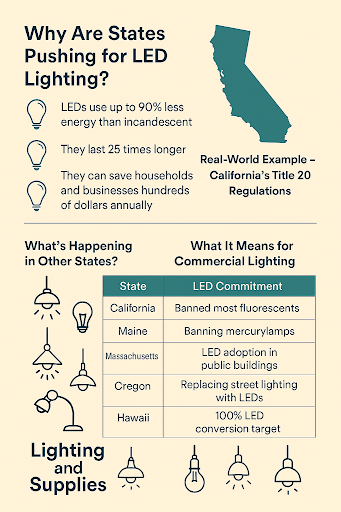
States are stepping up to support sustainability. With lighting accounting for roughly 15% of global electricity use, switching to LED lighting can drastically reduce energy demand and carbon emissions. That’s why more than 10 U.S. states—including California, Colorado, Hawaii, Maine, Maryland, Massachusetts, Nevada, New Mexico, Oregon, Rhode Island, and Washington—have committed to phasing out inefficient lighting in favor of LEDs.
Here’s why:
- LEDs use up to 90% less energy than incandescent bulbs.
- They last 25 times longer.
- They can save households and businesses hundreds of dollars annually.
By setting standards and deadlines for when traditional bulbs will no longer be sold, these states are setting the pace for a nationwide movement.
Real-World Example – California’s Title 20 Regulations
When it comes to lighting regulations, California is often ahead of the curve—and Title 20 is a prime example. This set of energy efficiency standards requires all lighting products sold in the state to meet strict performance criteria. If a product doesn’t meet those standards, it can’t be sold in California. Simple as that.
The result? A big push across the industry toward better lighting solutions. Title 20 has:
- Accelerated the market shift to LED lighting, making LEDs the standard instead of the exception.
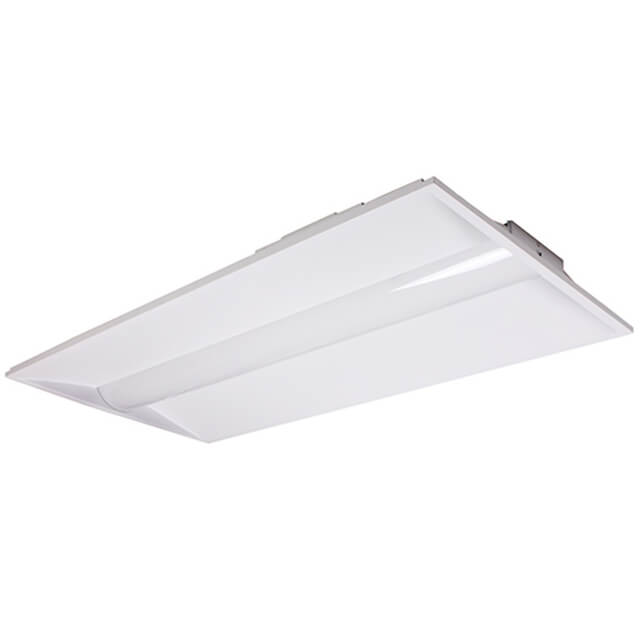
- Boosted the demand for compliant Commercial Lighting fixtures that meet both efficiency and performance goals.
- Delivered major energy savings across California’s public spaces, commercial buildings, and residential homes.
By setting the bar high, California has nudged manufacturers and buyers alike to think more sustainably. It’s proof that when state energy policies are done right, they regulate and lead.
What’s Happening in Other States?
Let’s break it down:
|
State |
LED Commitment | Deadline |
|
California |
Banned most fluorescents |
Ongoing |
|
Maine |
Banning mercury lamps |
2025 |
|
Massachusetts |
LED adoption in public buildings |
Active |
|
Oregon |
Replacing street lighting with LEDs |
2026 |
|
Hawaii |
100% LED conversion target |
2030 |
These policies are being reinforced by rebates, tax credits, and energy efficiency programs to make the transition more accessible.
What It Means for Commercial Lighting
If you manage a commercial space, state energy policies directly affect your bottom line. Many states now require that new commercial buildings use energy-efficient lighting systems, and some even offer incentives for retrofitting older buildings.
The Benefits:
- Reduced energy bills
- Lower HVAC costs (LEDs give off less heat)
- Increased property value
- Compliance with local lighting regulations
For example, New York’s “Stretch Energy Code” mandates the use of LED fixtures in new commercial construction, driving businesses to upgrade.
Residential Lighting – Homeowners Need to Keep Up
States aren’t just focused on businesses. Homeowners also need to pay attention to lighting regulations that may ban certain bulbs or require energy-efficient upgrades.
- In Washington, inefficient incandescent bulbs are being phased out completely.
- Massachusetts has started offering rebates on LED lighting for residential use.
- In Oregon, homeowners applying for energy-efficiency tax breaks must demonstrate LED adoption.
These changes are about saving energy, while also about keeping homes modern, safe, and aligned with state energy policies.
How Tariffs Could Complicate Things
It’s not all smooth sailing. New tariffs on lighting products imported from China and other countries could drive up prices in the short term.
- 25% tariffs on some lighting components
- Higher costs for certain commercial-grade fixtures
- Possible delays due to sourcing issues
This makes it even more important to work with local suppliers and manufacturers that are compliant with both lighting regulations and trade policies. It also highlights the need for early upgrades before costs go higher. If you want to learn more about tariffs and what they mean for businesses, read our article here.
State Policies Drive Innovation
Believe it or not, lighting regulations are pushing the entire industry forward. Thanks to tighter state energy policies, manufacturers are stepping up their game and getting creative with how lighting is designed, built, and used.
Today, companies are:
- Developing connected LED lighting systems with smart sensors that adjust automatically based on motion or natural light, helping save even more energy.
- Creating modular fixtures that make it easier to swap out parts instead of replacing the whole unit—cutting down on material waste and maintenance costs.
- Using recyclable or even biodegradable components in Residential lighting and Commercial Lighting, making it easier to dispose of old fixtures responsibly.
These innovations aren’t just good for the environment. They mean better lighting, smarter systems, and more durable products—all while keeping you compliant with the latest state energy policies. It’s a win for everyone.
Lighting & Supplies Can Help You Stay Ahead
Whether you’re a business owner looking to upgrade your facility, or a homeowner trying to keep your space efficient, staying on top of state energy policies and lighting regulations needs to be your number one priority.
At Lighting and Supplies, we make it easy to:
- Find compliant LED lighting products
- Get expert advice on Commercial Lighting upgrades
- Choose eco-friendly Residential lighting for your home
- Understand policy changes and plan upgrades strategically
We carry thousands of products from U.S.-based and tariff-friendly manufacturers so you’re never caught off-guard by rising costs or rule changes.
Final Thoughts
Lighting regulations are here to stay, and they’re only getting stricter. But that’s not a bad thing. It means a greener future, lower bills, and better technology.
By paying attention to state energy policies and making smart choices about LED lighting, you can get ahead of the curve—whether you’re outfitting a business or upgrading your home.
Need help figuring it all out? Reach out to Lighting and Supplies. We’re more than just a distributor—we’re your guide to the future of light.
Ready to upgrade? Browse our collection of energy-compliant LED lighting today.