
















Summers mean excessive use of energy, and that means HIGHER energy costs. But what if there were strategies to slash energy costs in peak summer? Great news: there are not one but 7 such strategies that can help you bring down energy costs, so why don’t we light the way for you?
Rising Energy Costs & Why Industrial Lighting Matters
Summers are getting hotter and hotter with every passing year. Don’t you remember the scorching heat last summer? It almost left people gasping for air. There’s a high chance that 2025 won’t be any easier. Industrial facilities will most likely face skyrocketing energy costs—especially during peak hours when electricity demand surges.
If you want to keep your operations running smoothly, consider replacing inefficient lighting systems. Why pay more to keep your space cool when the right lighting can do it for you?
LED Lighting Prices Surge Due to the Latest U.S. Tariffs? Curious? Read our previous blog
Why is Lighting a Critical Cost Factor?
Lighting accounts for approximately 17% of electricity consumption in US commercial buildings, including warehouses, manufacturing plants, and more. If you have an outdated lighting system, it will only drain power and generate excess heat. That means your HVAC systems will work twice as hard to cool down, leading to even higher cooling costs.
The Top 7 Industrial Lighting Upgrades for Massive Savings
When you upgrade industrial lighting, you do a lot more than just reduce energy bills. You improve efficiency, cut down on maintenance, and even future-proof your operations. Lighting and Supplies brings you top commercial indoor lighting upgrades that deliver maximum cost savings and performance in 2025.
1. Are LED Retrofit Kits the Best Industrial Lighting Upgrade in 2025?
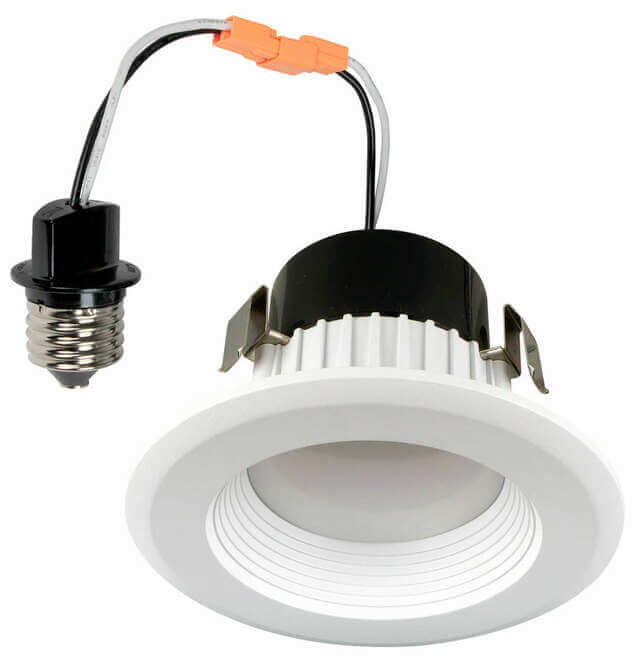
To put it simply, yes, LED retrofit kits are one of the fastest, most cost-effective ways to improve industrial lighting efficiency without needing to replace entire lighting fixtures. So why switch?
- Outdated fluorescent and HID lighting can be replaced with LED retrofit kits, which can reduce energy use by up to 80%, last longer, and require fewer replacements.
- Check if you are eligible for energy efficiency tax credits and rebates by switching to LEDs. Save money in every possible way!
2. How Can IoT-Enabled Lighting Controls Reduce Energy Waste?
Don’t we all dread having to get up to turn off the light after you’ve laid down or the horrors of forgetting to switch all lights off when you close shop? This is a massive waste of energy, which can be fixed with a new strategy: IoT-enabled Industrial Lighting Indoor. These controls can automate lighting based on occupancy, daylight availability, and time schedules.
How it works:
- It works when smart sensors detect movement and adjust the brightness accordingly.
- When your space is flooded with natural light, it will dim lighting to harvest daylight and save on energy costs.
- Forgot to turn the lights off? With remote monitoring, facility managers can control lighting anywhere, anytime, with a centralized system.
3. Do Daylight-Responsive LEDs Work in Industrial Spaces Without Windows?
Lack of daylight doesn’t mean daylight-responsive LEDs can’t work. Many industrial facilities, such as factories and cold storage warehouses, don’t have windows or open spaces. This means less energy efficiency, but you can smartly use solar tubes with daylight-responsive LEDs. This is one of the best industrial indoor lighting options.
How it works:
- When you attach the solar tubes, they will capture the natural light and channel it indoors.
- These LED systems can also adjust brightness based on the available natural light.
4. Can ‘Zonal Lighting’ Prevent Energy Waste in Large Facilities?
Lighting the whole space is not the best way to go, many of the smaller areas in your space don’t even need the light. Instead, a better way would be to use Zonal lighting systems. They make sure that only the occupied zones are completely illuminated, which means lower power consumption.
How it works:
- With motion sensors, these zonal lights can turn lights on/off based on real-time activity.
- If you want to light up specific task areas, these lights will make sure the workstations are well-lit while the rest of the unit is dim.
5. Is Induction Lighting a Better Choice for High-Heat Industrial Settings?
Do you own a high-heat industrial space that is bleeding money and energy? While traditional LEDs can struggle to maintain performance, you can opt for induction lighting. This can be a great alternative for foundries, metalworking plants, and industrial bakeries.
Why it matters:
- Induction lighting can efficiently operate in areas where LEDs will degrade, making it a smart long-term investment.
- Since it lasts longer, you won’t have to invest in replacements or even regular maintenance.
6. Why Should Assembly Lines Switch to Low-Voltage Task Lighting?
If you don’t want to waste electricity, switch to low-voltage task lighting. Not only is it a more efficient alternative, but it can even improve worker productivity.
Key benefits:
- Reduces overall energy use by directing light only where needed.
- It promotes better visibility and less eye strain for your staff members.
- If you have a tightly packed workspace, you can minimize heat output with low-voltage lighting.
7. How Do Solar-Powered Indoor Lights Work for Industrial Spaces?
Traditional electrical fixtures are outdated now, and they have been replaced with solar-powered indoor lights. These off-grid lighting solutions are becoming increasingly popular for non-essential and emergency lighting in industrial settings.
How it works:
- With solar panels, you can generate and store energy during the day.
- You can also invest in battery-powered LED fixtures, which provide reliable lighting for storage rooms, emergency exits, and low-traffic areas.
Read Our Trending Blog: Trends in Commercial Indoor Lighting 2025
Case Study

Prepare Now for Energy-Efficient Lighting Before Summer Hits
As the summer months approach, now is the time to act. Many facilities face long lead times for lighting upgrades, so it’s better to start planning before peak summer pricing hits. Waiting until the last minute can delay your ability to take advantage of tax credits and rebates available for 2025 while also leaving you vulnerable to rising energy costs.
Act Now to Maximize Savings
Lighting and Supplies can help you upgrade your industrial indoor lighting now! You can significantly reduce energy consumption and cooling costs, ensuring you’re ready for the hot months ahead. Doesn’t matter if you choose LED retrofit kits, IoT-enabled lighting controls, or solar-powered solutions; the sooner you implement these upgrades, the quicker you’ll start seeing savings.
Give Us A Call Today!
Don’t let outdated lighting burn your profits—make the switch today. Start planning your upgrade with Lighting and Supplies and future-proof your facility against rising energy costs in 2025.
One response to “7 Industrial Indoor Lighting Strategies to Slash Energy Costs This Summer 2025”
What a brilliant and timely guide! With energy prices soaring and summer already knocking, these lighting strategies are just what industrial spaces need to stay efficient and budget-friendly. Love how you’ve broken down each solution—from LED retrofits to IoT controls and solar-powered lights—making it easy to take action. Especially eye-opening was how lighting affects HVAC costs too! This post is not just about saving on energy—it’s about making smart, future-ready decisions. Thanks for lighting the way (pun intended)! Definitely bookmarking this for our next facility upgrade.